
Last updated November 1, 2026
 Kitchen remodeling
 Bathroom remodeling
 Home additions & ADU
 Roofing
 Windows & doors
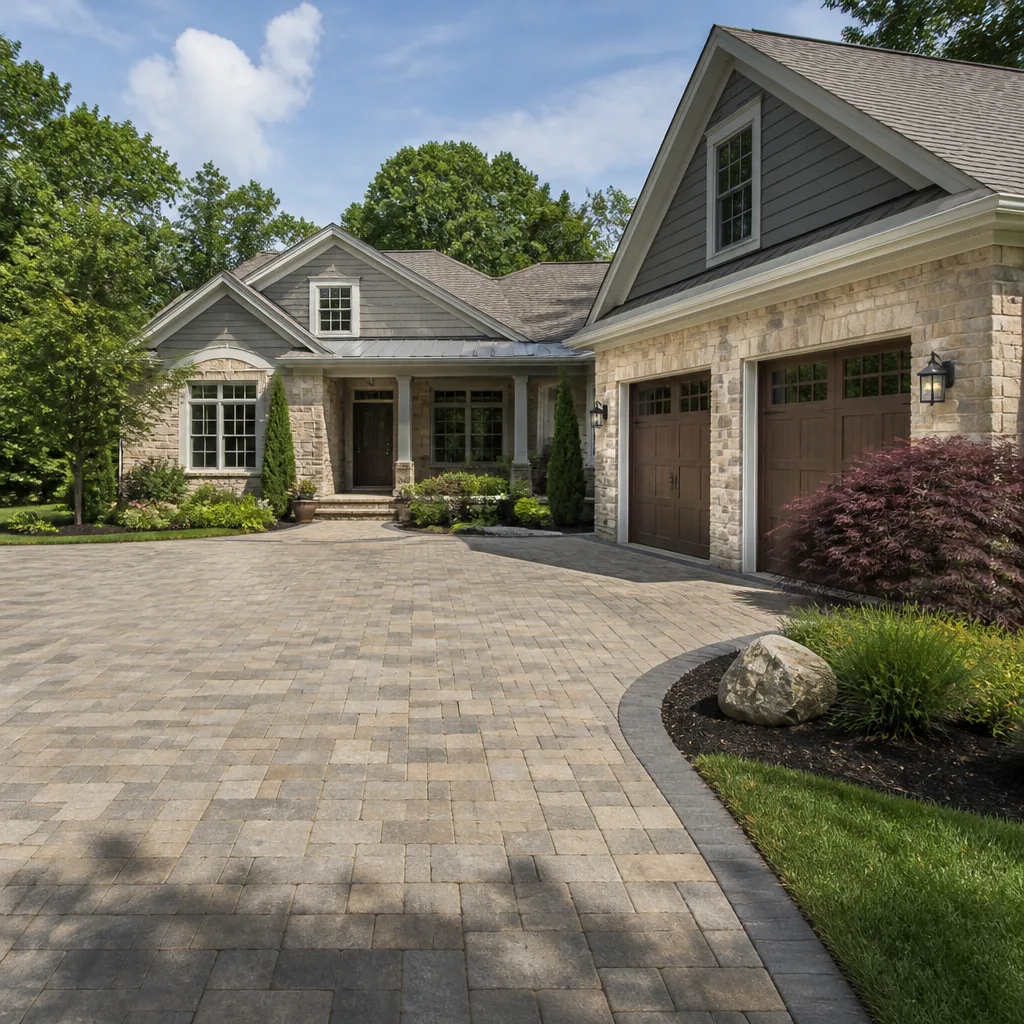 Driveway & pavers
 Fence
Free written scope consultation - allowances, timeline, and change-order rules on paper before a single trade is scheduled
Construction Permits, Codes & Inspections in NV: What You Need to Know
The single most expensive mistake a homeowner makes in Southern Nevada isn’t choosing the wrong countertop or underestimating a kitchen remodel. It’s pulling the wrong permit for the wrong jurisdiction. In North Las Vegas, we regularly see homeowners submit projects through Clark County’s online portal only to discover their parcel falls inside city limits. The county permit gets voided, the clock resets, and a project that could have started in two weeks stretches into two months. This guide explains how Nevada’s permitting system actually works, layer by layer, so your project doesn’t stall before the first hammer swings.
Styles & brands we work with
- Kitchen remodeling
- Bathroom remodeling
- Home additions & ADU
- Roofing
- Windows & doors
- Driveway & pavers
- Fence
Quick Answer
Construction permits in Nevada are governed by a three-layer system: state-adopted building codes (currently based on the 2018 International Building Code series), county-level amendments, and city-specific overlays. In North Las Vegas, permits are issued through the city’s Development Services department, not Clark County, and the city has adopted the 2018 IBC, IRC, IMC, IPC, and IECC with local amendments. Most residential remodels, additions, and exterior upgrades require permits, and inspections are scheduled only after the permit is correctly issued by the right jurisdiction.
Table of Contents
- How to Determine Your Jurisdiction: North Las Vegas vs. Clark County
- The Code Stack: What North Las Vegas Has Adopted and Why It Matters
- Plan Review vs. Over-the-Counter Permits: What Actually Triggers Each
- What North Las Vegas Inspectors Actually Flag (That Others Miss)
- The True Cost of Unpermitted Work in Nevada’s Real Estate Market
- Step-by-Step: The Permit Process in North Las Vegas
- How Long Permits Take: Realistic Timelines for Common Projects
- Common Mistakes to Avoid
- When to Call a Professional
- Frequently Asked Questions
- The Bottom Line
How to Determine Your Jurisdiction: North Las Vegas vs. Clark County
The first question isn’t “Do I need a permit?” It’s “Who issues my permit?” In Southern Nevada, the answer hinges on whether your property sits inside an incorporated city or in unincorporated Clark County. North Las Vegas is one of four incorporated cities in the Las Vegas Valley, alongside Las Vegas, Henderson, and Boulder City. Everything else falls under Clark County’s jurisdiction. The confusion is understandable. North Las Vegas addresses often say “Las Vegas” on the mail, and the urban sprawl makes city boundaries invisible on the ground.
Here’s the definitive method to determine where your parcel falls:
- Check your property tax statement. If it says “City of North Las Vegas” anywhere on the document, you’re in city jurisdiction. Clark County properties say “Clark County” or “Unincorporated Clark County.”
- Use the official jurisdiction locator. Clark County maintains an interactive parcel map. Enter your address or APN, and the system identifies your governing municipality. North Las Vegas also has a “My Neighborhood” mapping tool on the city’s website.
- Call North Las Vegas Development Services directly. A two-minute phone call at (833) 772-4634 settles it. Provide your APN, and staff will confirm whether you’re in city limits and what code version applies to your project.
- Look at your water bill. North Las Vegas Utilities Department serves most city parcels. If you’re billed by the City of North Las Vegas for water, you’re almost certainly inside city limits.
Why does this matter so much? A permit issued by the wrong jurisdiction has zero legal standing. If you pull a Clark County permit for a North Las Vegas property, the city can issue a stop-work order, void the county permit, and require you to restart the application through the correct channels. We’ve seen homeowners lose 6-8 weeks this way, plus the original permit fee. For multi-trade projects like an addition with a new roof and windows, the mistake compounds across every inspection.
One interaction most people don’t think about: unincorporated Clark County pockets exist entirely inside North Las Vegas city boundaries. These islands are small and scattered, but they’re real. A parcel can have a North Las Vegas mailing address, receive North Las Vegas police service, and still be county jurisdiction for building permits. The only reliable test is the parcel map. Never assume based on your address alone.
The Code Stack: What North Las Vegas Has Adopted and Why It Matters
Nevada’s construction code isn’t a single document. It’s a stack. The state legislature adopts a baseline version of the International Code Council (ICC) series, then counties and cities overlay local amendments. Currently, Nevada’s baseline is the 2018 series: International Building Code (IBC) for commercial and large residential, International Residential Code (IRC) for one- and two-family dwellings, International Mechanical Code (IMC), International Plumbing Code (IPC), and International Energy Conservation Code (IECC). The 2021 and 2024 series have been discussed but not fully adopted statewide as of this writing.
North Las Vegas has adopted the 2018 I-codes with its own amendments. The city’s amendments are published in Chapter 15 of the North Las Vegas Municipal Code. Some notable differences from the baseline:
- Amended energy code requirements. North Las Vegas enforces the 2018 IECC with local modifications based on Southern Nevada climate zone 3B. That means specific insulation R-value requirements, window U-factor and SHGC ratings, and air leakage testing thresholds. If you’re replacing windows, expect a review of the glass performance specs, not just the frame quality. James Hardie siding projects, for example, often trigger an insulation inspection if the exterior walls are opened.
- Local amendments to roof assembly standards. High-wind details, underlayment requirements, and ventilation calculations are tightened compared to baseline IRC. This affects any re-roof or roof-over project in North Las Vegas.
- Solar-ready and EV-ready provisions. North Las Vegas has adopted amendments requiring certain new and addition projects to include conduit or capacity for future solar installation and EV charger circuits. This catches many homeowners off guard because the requirement isn’t in the baseline 2018 IRC.
- Amended fire sprinkler thresholds. North Las Vegas follows Nevada’s statewide adoption of IRC Section P2904 with city amendments that modify the square footage and fire-flow thresholds that trigger residential sprinkler requirements for additions.
For homeowners planning a whole-home renovation or addition, the practical impact is this: a project that passes plan review in Clark County might not pass in North Las Vegas, and vice versa. The codes are similar at the base level, but the amendments are where inspectors dig in. If you’re working with a contractor who’s only familiar with county jurisdiction, the North Las Vegas amendments can generate surprise correction notices - something our General Contractor Maintenance Checklist for North Las Vegas Homeowners helps you avoid.
At Stonehall Construction, we build every North Las Vegas project to the city’s amended code from the first drawing, not the state baseline. It’s faster and cheaper than responding to a plan review comment. For home remodeling in North Las Vegas, code compliance starts with identifying which amended code sections apply to your specific scope. A kitchen renovation that doesn’t move walls may only touch plumbing and electrical code. An addition touches everything: structural, energy, seismic, fire separation, and more.
Plan Review vs. Over-the-Counter Permits: What Actually Triggers Each
Not every permit application goes through the same pipeline. In North Las Vegas, the Development Services department separates projects into two tracks: over-the-counter (OTC) permits and full plan review. The distinction determines your timeline more than anything else.
Over-the-counter permits are issued the same day, sometimes within an hour. These cover work with minimal design complexity: water heater replacements, some HVAC equipment swaps, service panel replacements, simple re-roofs with like-for-like materials, and basic window replacements that don’t alter the opening size. If the scope doesn’t change the building’s structural footprint, occupancy, or energy profile, it likely qualifies for OTC.
Plan review permits are required when the project changes structural elements, square footage, or life-safety systems. This includes additions, structural wall removals, kitchen remodels that move plumbing or electrical load centers, new ADUs, and any project involving new foundations or roof framing. Plan review in North Las Vegas typically takes 2-6 weeks depending on project complexity and current application volume. Resubmissions after comments add another cycle.
Here’s what triggers plan review for common project types in North Las Vegas:
- Kitchen remodel with a load-bearing wall removal: Plan review. Structural calculations required, plus updated electrical and mechanical drawings.
- Prefab or modular ADU installation: Plan review. Even though the unit is factory-built, the foundation, utilities connection, and site work require engineered drawings. Brands like Tuff Shed have products that are designed to streamline this, but the permit still goes through full review in North Las Vegas.
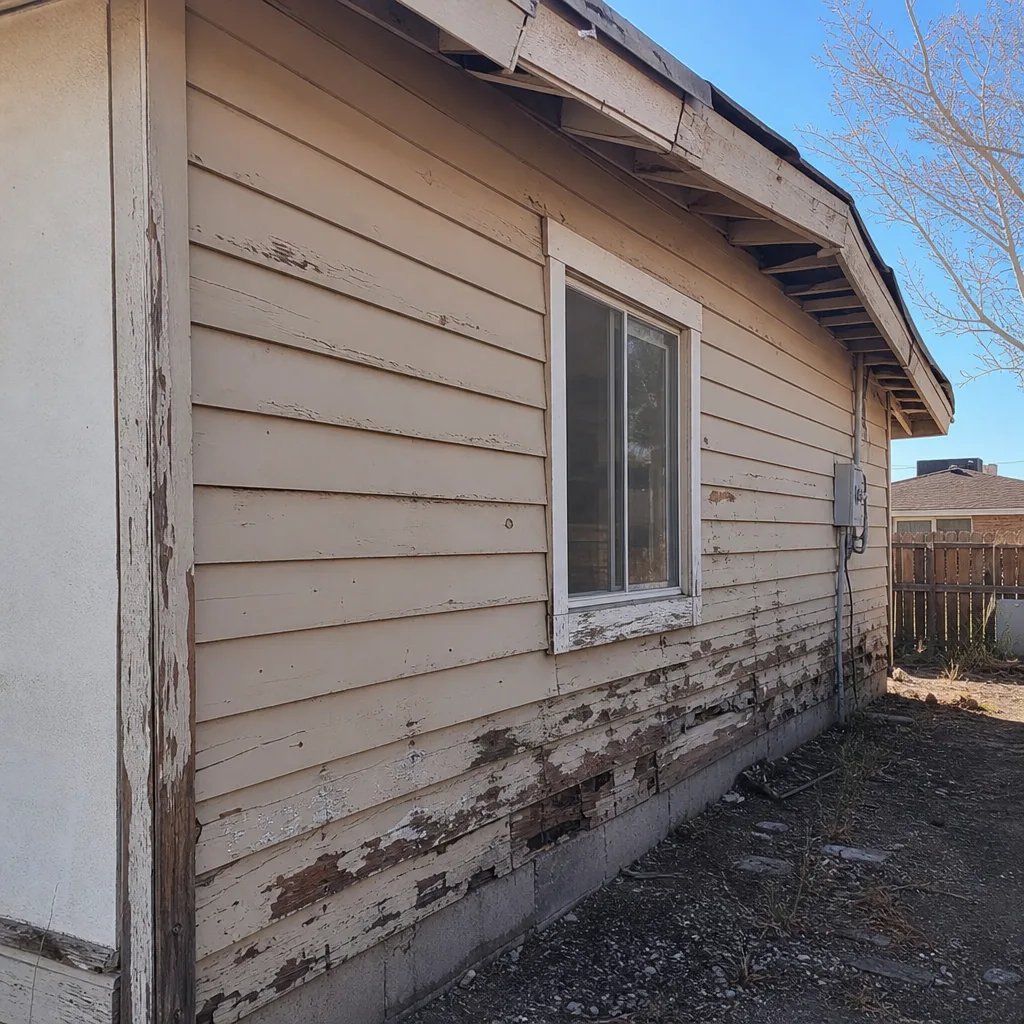
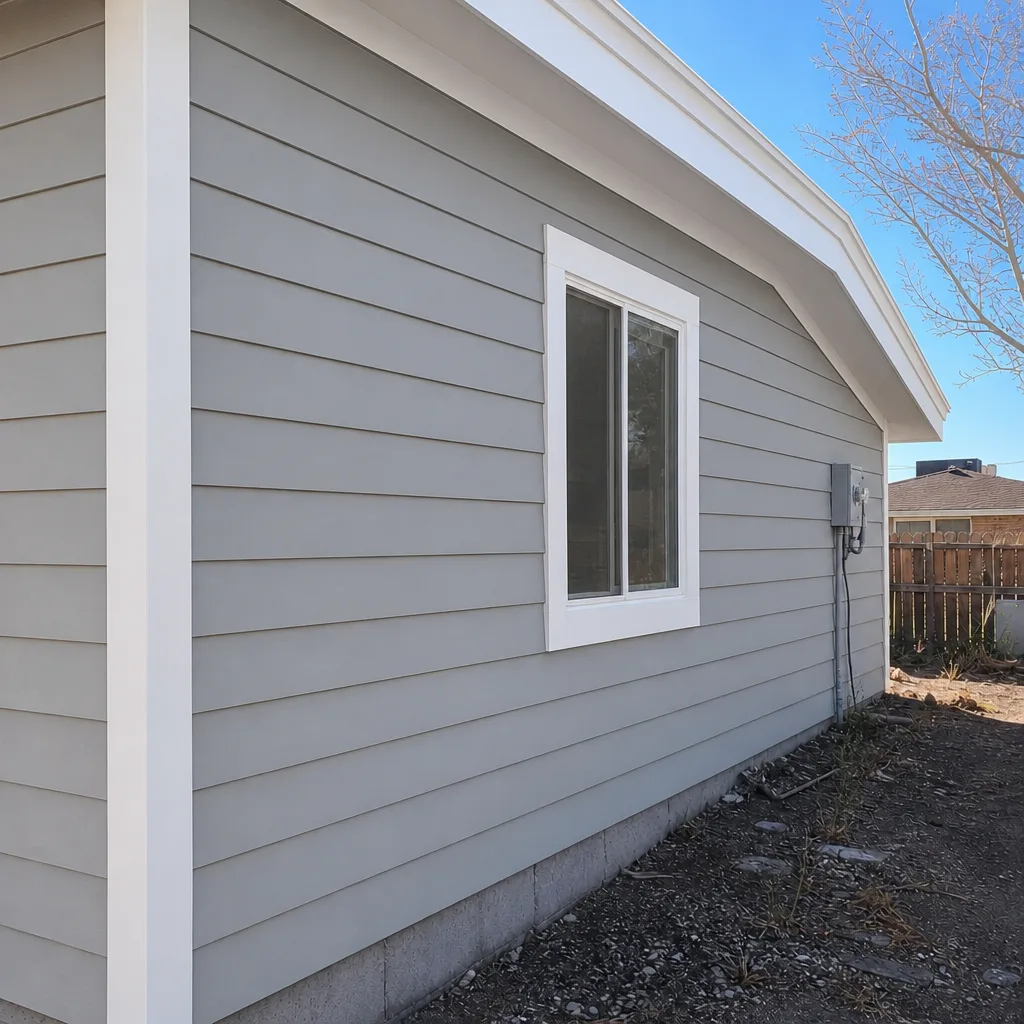
- Siding replacement with James Hardie fiber cement: Typically OTC if no sheathing or insulation changes. If you’re adding exterior insulation or opening walls, it moves to plan review.
- Window replacement with identical rough openings: OTC if the windows meet current energy code. Impact-rated systems require documentation showing compliance with amended wind-load requirements.
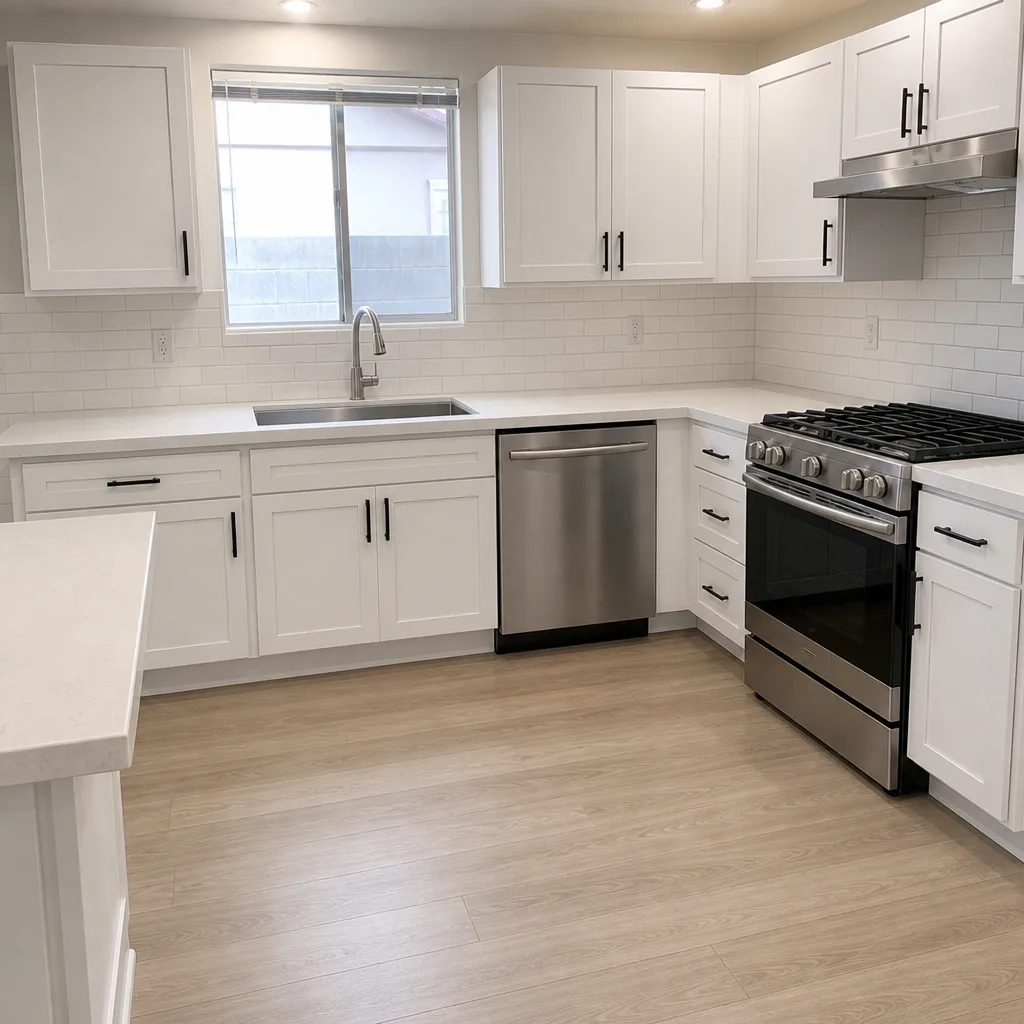
- Full kitchen remodel with new cabinetry, countertops, and fixtures but no layout change: Often OTC, but if any electrical load is added (new outlets, appliance circuits), the electrical scope triggers a separate review. KraftMaid or Wellborn cabinet installations alone don’t require a permit, but the associated electrical and plumbing work does.
The takeaway: don’t assume your project is “small enough” to skip permitting. The trigger isn’t project size. It’s whether the work affects structural, electrical, plumbing, mechanical, or building envelope systems.
What North Las Vegas Inspectors Actually Flag (That Others Miss)
Every jurisdiction has its inspection quirks. North Las Vegas inspectors are trained on the city’s specific amendments, and they focus on details that out-of-area contractors routinely overlook. In our experience, here’s what gets flagged most often:
- Air leakage and blower door testing on additions. The amended energy code requires whole-house or addition-specific air sealing verification. Contractors familiar with less stringent jurisdictions often skip the pre-drywall air sealing steps, then fail the final blower door test. The fix requires opening walls back up.
- High-wind hardware on roof connections. Southern Nevada’s monsoon season and occasional high-wind events mean the amended code requires specific strapping and connection details at roof-to-wall transitions. County inspectors may accept one pattern; North Las Vegas inspectors check for the amended NLVMC-required hardware.
- Amended electrical panel clearance and labeling. The city enforces slightly different working-space and panel-labeling requirements than baseline NEC. Out-of-state electricians sometimes fail these inspections on the first pass.
- Stucco and exterior wall drainage details. Given the region’s intense sun and occasional heavy rain events, North Las Vegas inspectors closely review flashing, weep systems, and wall drainage behind exterior cladding. James Hardie siding installations, in particular, are checked for the manufacturer’s required clearances and drainage plane details.
- Ventilation calculation for range hoods and bath fans. The amended mechanical code has specific CFM requirements based on kitchen size and cooktop output. Contractors who install “standard” ventilation without running the numbers get correction notices.
If you’re hiring a contractor for home renovation in North Las Vegas, ask directly: “How many North Las Vegas inspections have you passed in the last 12 months?” A contractor with city-specific experience will answer without hesitation. One who’s only worked in county jurisdiction will start hedging.
The True Cost of Unpermitted Work in Nevada’s Real Estate Market
Nevada’s real estate disclosure laws are strict. Sellers must complete a Seller’s Real Property Disclosure Form (SRPD) that includes specific questions about unpermitted work, additions, and modifications. The form asks directly: “Are you aware of any room additions, structural modifications, or other alterations that were made without a required building permit?” Answering falsely opens you to legal liability that extends years after closing.
Beyond the disclosure, unpermitted work creates problems in three specific areas:
- Title insurance complications. While unpermitted work doesn’t usually void title insurance outright, it can trigger exceptions and exclusions. If a buyer discovers unpermitted work after closing and files a claim, the title company may deny coverage for issues related to that work. Lenders may also flag unpermitted square footage during appraisal, reducing the home’s appraised value below the purchase price.
- Insurance claim denials. If unpermitted electrical work causes a fire, your homeowner’s insurance may deny the claim. Insurers routinely investigate the permitting history after major claims. The same applies to plumbing failures, structural collapses, and roofing issues. The insurance company’s position is simple: work done outside the permitting system is work they didn’t agree to insure.
- Lender-required retroactive permits. If a buyer is financing the purchase, their lender may require retroactive permits for any unpermitted work discovered during appraisal or inspection. This puts the seller in a bind: pay to bring the work to code (which may require opening walls), or lose the sale. Retroactive permits in North Las Vegas are more expensive than original permits, and the inspection process is more rigorous because inspectors are evaluating existing conditions, not plans.
The resale risk isn’t hypothetical, as we detail in our Construction Warning Signs: A North Las Vegas Homeowner’s Reference Guide. North Las Vegas has an older housing stock compared to newer parts of the valley. Homes built in the 1970s and 1980s frequently have converted garages, enclosed patios, and added rooms that were never permitted. When those homes change hands, the unpermitted work becomes the buyer’s problem if not disclosed and priced accordingly.
The bottom line for current homeowners? Any work that changes a building’s structure, systems, or square footage should go through the permit process. The cost of a permit in North Las Vegas is a fraction of the cost of a retroactive permit or an insurance claim denial later. For a general contractor in North Las Vegas, pulling permits is standard practice. For a homeowner trying to save money, skipping permits is the most expensive shortcut available.
Step-by-Step: The Permit Process in North Las Vegas
Every North Las Vegas project follows the same sequence. The specifics vary by scope, but the framework holds. Here’s the process as we’ve managed it across hundreds of projects:
- Jurisdiction confirmation. Verify your parcel is inside North Las Vegas city limits using the methods described earlier. If you’re in unincorporated Clark County, the entire process changes: different portal, different code amendments, different inspectors.
- Pre-application research. Determine which code version applies, what local amendments affect your scope, and whether the project is OTC-eligible or requires plan review. North Las Vegas Development Services has a “Do I Need a Permit?” guide on its website, and staff answer pre-application questions by phone.
- Application submission. North Las Vegas uses an online portal for both OTC and plan review applications. You’ll need your APN, a project description, and for plan review projects, construction drawings prepared to the city’s submittal standards. Incomplete submittals are rejected within 48 hours and restart the clock.
- Plan review and comments. For plan review projects, expect 2-6 weeks for initial review. Comments will come back as a formal letter. Respond to each comment directly, revise your drawings, and resubmit. Each resubmission cycle typically adds 1-2 weeks.
- Permit issuance and fee payment. Once approved, you’ll pay the permit fee and receive your permit. Fees in North Las Vegas are calculated based on project valuation, following the city’s fee schedule. A typical residential remodel permit runs between $500 and $3,000 depending on scope.
- Scheduling inspections. Inspections are scheduled by phone or through the portal. North Las Vegas typically offers next-day or two-day scheduling for most residential inspection types. Inspectors arrive during a 2-hour window, and someone must be on site.
- Inspection sequence. Most residential projects require 2-6 inspections depending on scope: footing/underground, slab or underfloor, rough-in (mechanical, plumbing, electrical), insulation/building envelope, and final. Each inspection must pass before the next phase of work begins.
- Final approval and certificate of occupancy. The final inspection is the last step. Once it passes, the city closes the permit. For additions and ADUs, a certificate of occupancy is issued.
The process is manageable for a homeowner, but it requires attention to detail and patience. The most common failure point is incomplete plan review submittals. If the drawings don’t meet the city’s formatting and content requirements, the application gets rejected before review even begins.
How Long Permits Take: Realistic Timelines for Common Projects
The timeline question comes up on every project. Here’s what we actually see in North Las Vegas, not the optimistic estimates:
- Water heater replacement: Same day. OTC permit, no plan review, one inspection.
- Simple re-roof with like-for-like materials: 1-2 days for permit issuance, inspections 1-2 days after request. Total: under 1 week.
- Kitchen remodel without structural changes: 2-5 days for permit issuance, 2-3 inspections spread across the project. The permit isn’t the bottleneck; the remodel itself takes weeks.
- Bathroom remodel with plumbing relocation: 1-2 weeks for plan review, inspections matched to project pace. Total permit time: 2-4 weeks before work begins.
- Room addition: 4-8 weeks for plan review, plus 3-6 inspections during construction. This is the project type where jurisdiction mistakes cost the most time.
- Prefab ADU installation: 4-8 weeks for plan review, plus utility coordination. Tuff Shed and similar prefab units speed up the build phase, but the permit timeline is the same as a stick-built addition because the foundation, utilities, and site work go through the same review.
If a contractor promises you a North Las Vegas addition permit in two weeks, ask which code amendments they’re planning to address. The answer will tell you whether they’ve actually permitted work in the city or are quoting from a different jurisdiction’s experience.
Common Mistakes to Avoid
- Filing through the wrong portal. Clark County and North Las Vegas have separate online systems. Filing through the county for a city parcel voids your application and resets the clock. Verify jurisdiction before you log in anywhere.
- Assuming “contractor’s license” equals “North Las Vegas experience.” A statewide contractor’s license doesn’t mean the contractor has ever permitted work in North Las Vegas. Ask specifically about city inspection history.
- Starting work before the permit is issued. North Las Vegas inspectors can issue stop-work orders, which come with additional fees and mandatory corrections. The permit isn’t a formality; it’s a precondition for legal construction.
- Undervaluing the project to reduce permit fees. The city’s fee schedule is based on declared project valuation. Understating the value to lower the fee is fraud and triggers a reassessment if discovered. Declare realistic values and move on.
- Ignoring the amended energy code requirements. North Las Vegas enforces climate-specific energy provisions. Skipping air sealing, insulation upgrades, or window performance documentation generates correction notices that delay the project and add cost.
- Scheduling inspections before the work is actually ready. Failing an inspection means paying a re-inspection fee and waiting another scheduling cycle. Make sure the work is complete and compliant before requesting the inspection.
When to Call a Professional
If your project involves structural changes, additions, ADUs, or any scope that triggers plan review, the permit process is not something to wing. A professional contractor who pulls North Las Vegas permits regularly knows which drawings the city expects, which amendments apply to your scope, and which inspector will be assigned to your project. That experience translates directly to weeks of saved time. For homeowners planning mid-to-large renovations, Stonehall Construction home is the single-source general contractor reference point.
We handle the permit process end to end: drawings, submittal, comment response, inspection scheduling, and final sign-off. Our team knows the North Las Vegas code amendments and the inspectors who enforce them. Stonehall Construction offers free estimates in North Las Vegas. Call (833) 772-4634.
Frequently Asked Questions
Cabinet replacement alone does not require a permit in North Las Vegas. However, if the replacement involves moving electrical outlets, changing appliance circuits, altering plumbing locations, or modifying walls, those elements require permits. KraftMaid or Wellborn cabinet installations that reuse existing utility locations typically stay permit-free. Call (833) 772-4634 if you’re unsure whether your specific kitchen scope crosses the permit threshold.
North Las Vegas calculates permit fees based on project valuation, not a flat rate. Most residential remodel permits run between $500 and $3,000, with smaller OTC permits (water heaters, simple window replacements) starting around $100 to $300. Plan review projects add a plan check fee on top of the permit fee. For an exact cost, request a fee estimate from North Las Vegas Development Services or call (833) 772-4634 for help navigating the fee schedule.
Plan review in North Las Vegas typically takes 2-6 weeks depending on project complexity and application volume. Each resubmission cycle adds 1-2 weeks. Over-the-counter permits are issued same-day. If your project timeline matters, submit complete drawings the first time and address every comment directly on resubmission.
Nevada’s Seller’s Real Property Disclosure Form requires you to disclose unpermitted work. Failure to disclose exposes you to legal liability from the buyer, and the buyer’s lender may require retroactive permits before financing. Retroactive permits cost more than original permits and involve more rigorous inspections because the city is evaluating existing conditions rather than plans.
Yes, North Las Vegas allows homeowners to pull permits for work on their own primary residence. However, the homeowner assumes full liability for code compliance and inspection failures. For projects requiring plan review, most homeowners discover that preparing compliant drawings and responding to plan comments is beyond their expertise. A licensed contractor’s permit places the compliance burden on the contractor, not the homeowner.
They’re issued by different agencies, enforced by different inspectors, and governed by different local amendments. A North Las Vegas permit is issued by the city’s Development Services department and incorporates North Las Vegas Municipal Code amendments. A Clark County permit is issued by the county and incorporates county code amendments. The permits are not interchangeable, and pulling the wrong one requires starting over.
Yes, siding replacement typically requires a permit in North Las Vegas, though it’s usually an over-the-counter permit if the sheathing and insulation are not being altered. If you’re opening exterior walls, adding insulation, or changing the building envelope, the scope moves to plan review. North Las Vegas inspectors examine drainage plane details, flashing, and manufacturer-required installation clearances for fiber cement siding.
The Bottom Line
Nevada’s permitting system is manageable once you understand the layers: state codes, county amendments, city overlays. In North Las Vegas, the key is jurisdiction verification before anything else. Pull the right permit from the right agency, follow the city’s amended code requirements, and the inspection process moves predictably. Skip any of those steps, and the project stalls in ways that cost real money. The permit isn’t bureaucracy for its own sake. It’s the mechanism that ensures your home’s systems are safe, insurable, and resellable. For projects that touch multiple trades, one contractor managing the entire permit process is the difference between a smooth timeline and a six-week delay. Explore more guides & resources to keep your project on track.
Written by the team at Stonehall Construction, serving North Las Vegas since 2013.
See the difference
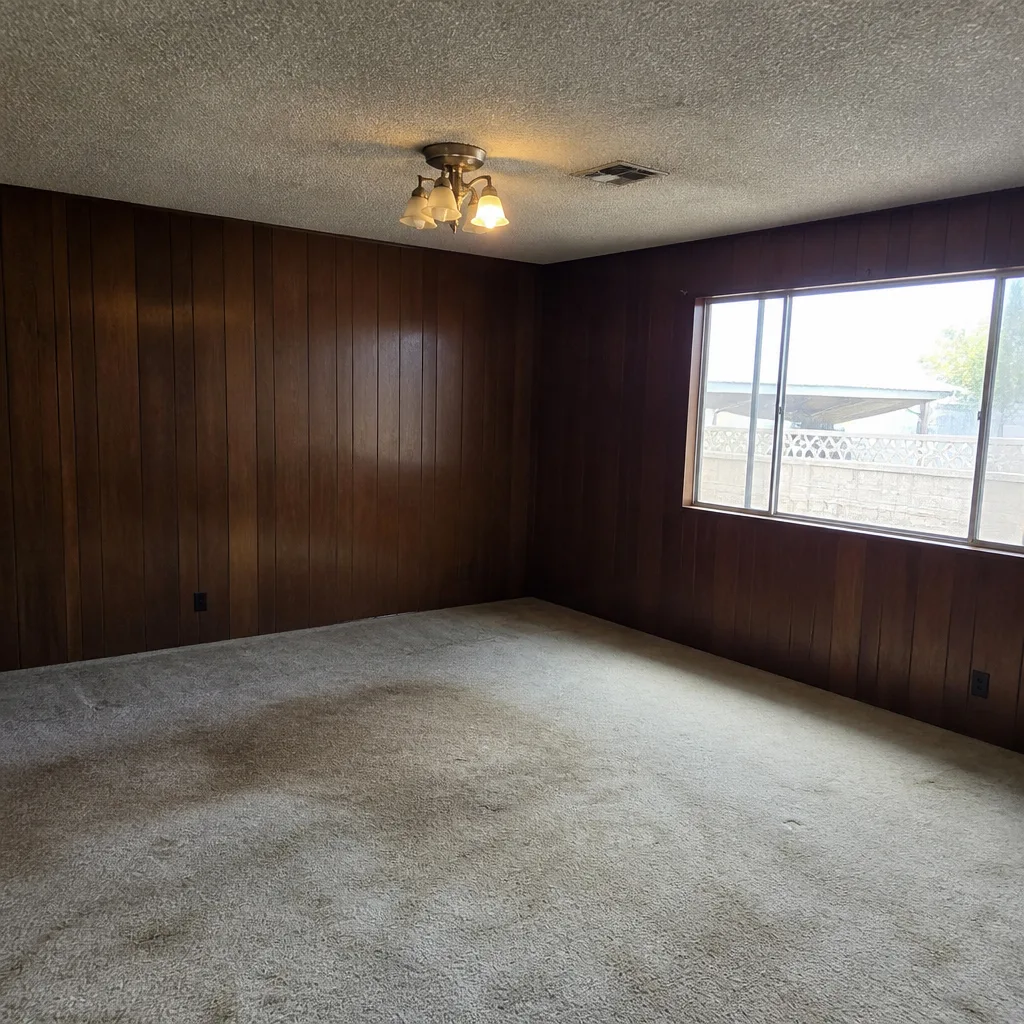 Before
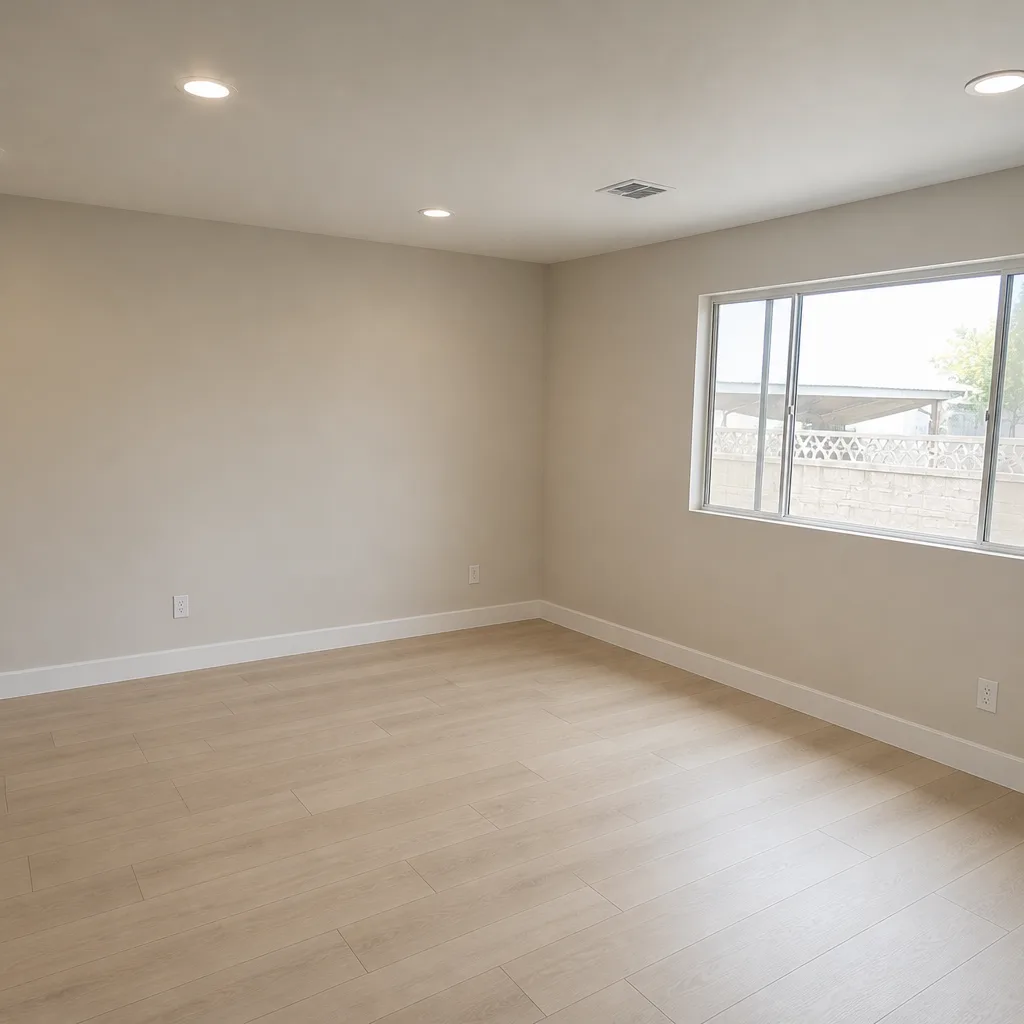 After
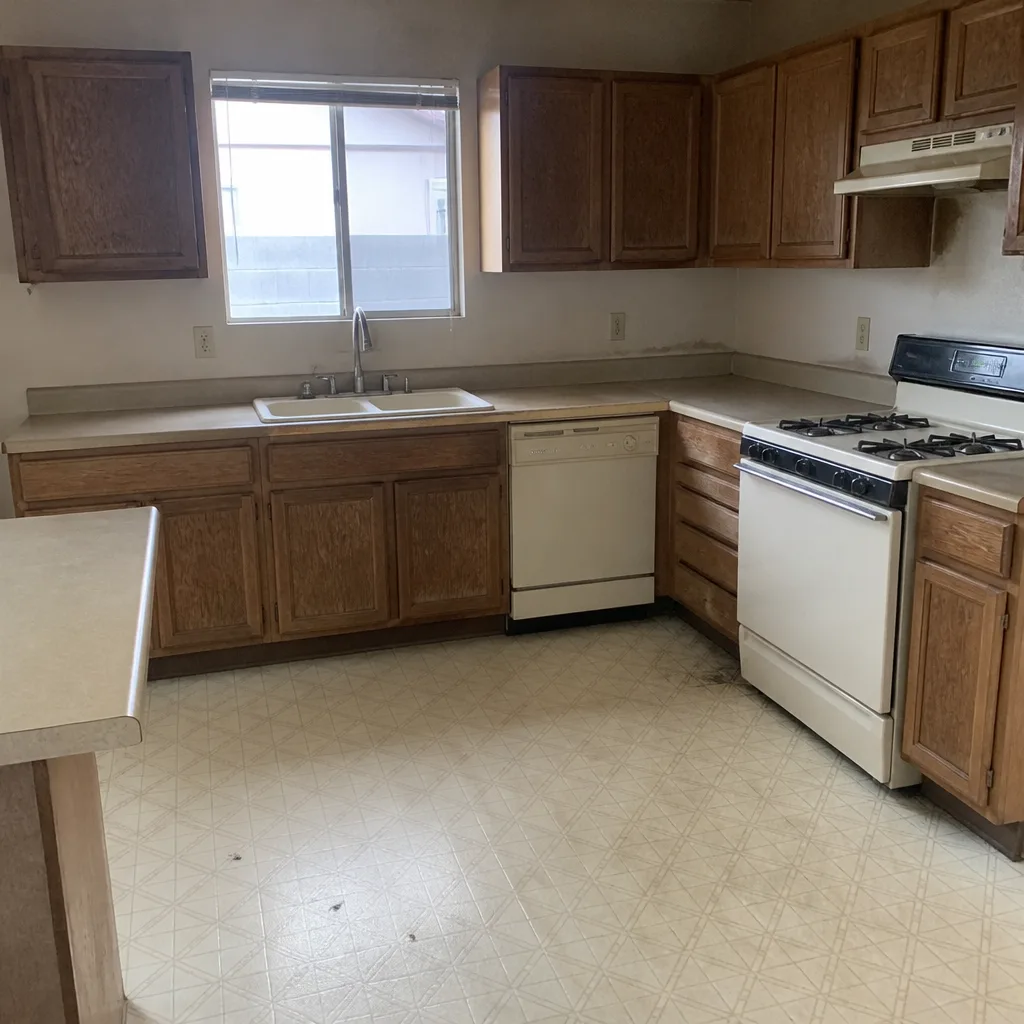 Before
 After
 Before
 After