
Last updated November 1, 2026
 Home additions & ADU
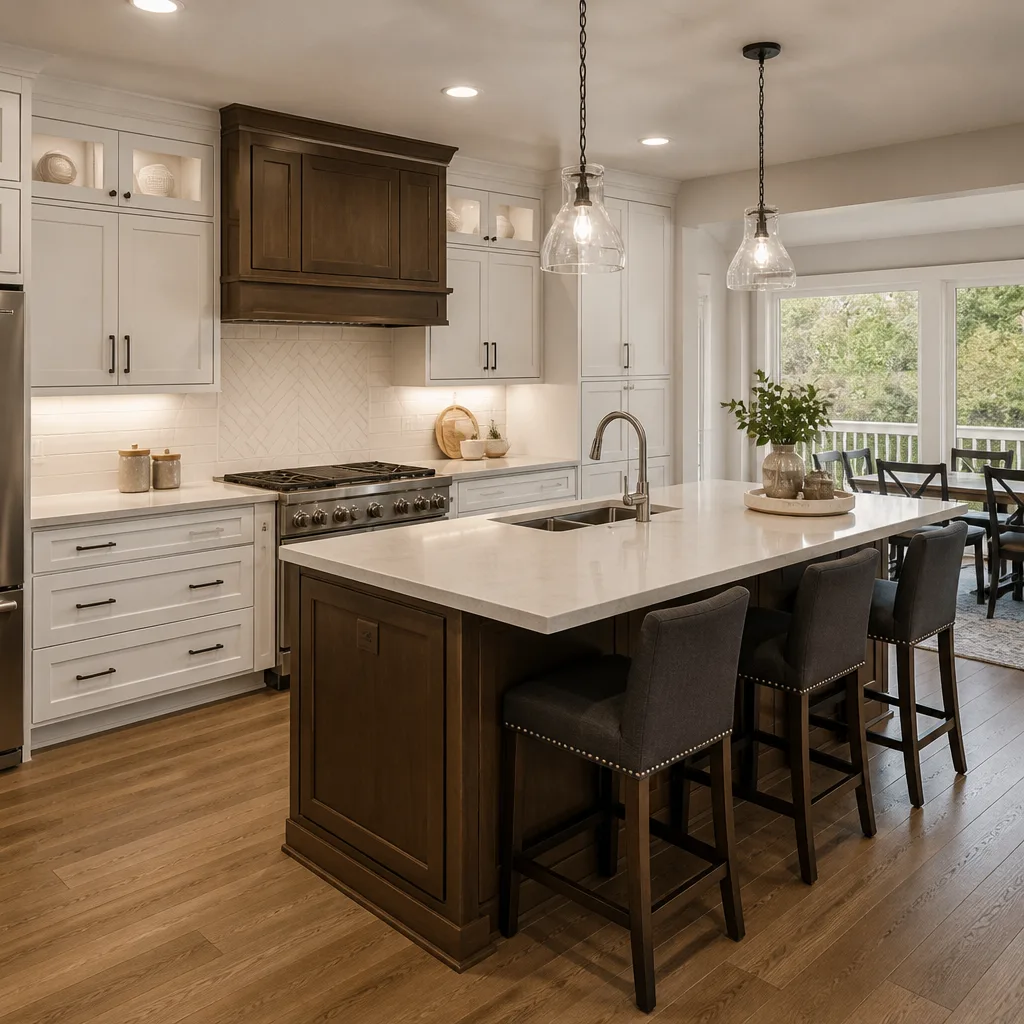 Kitchen remodeling
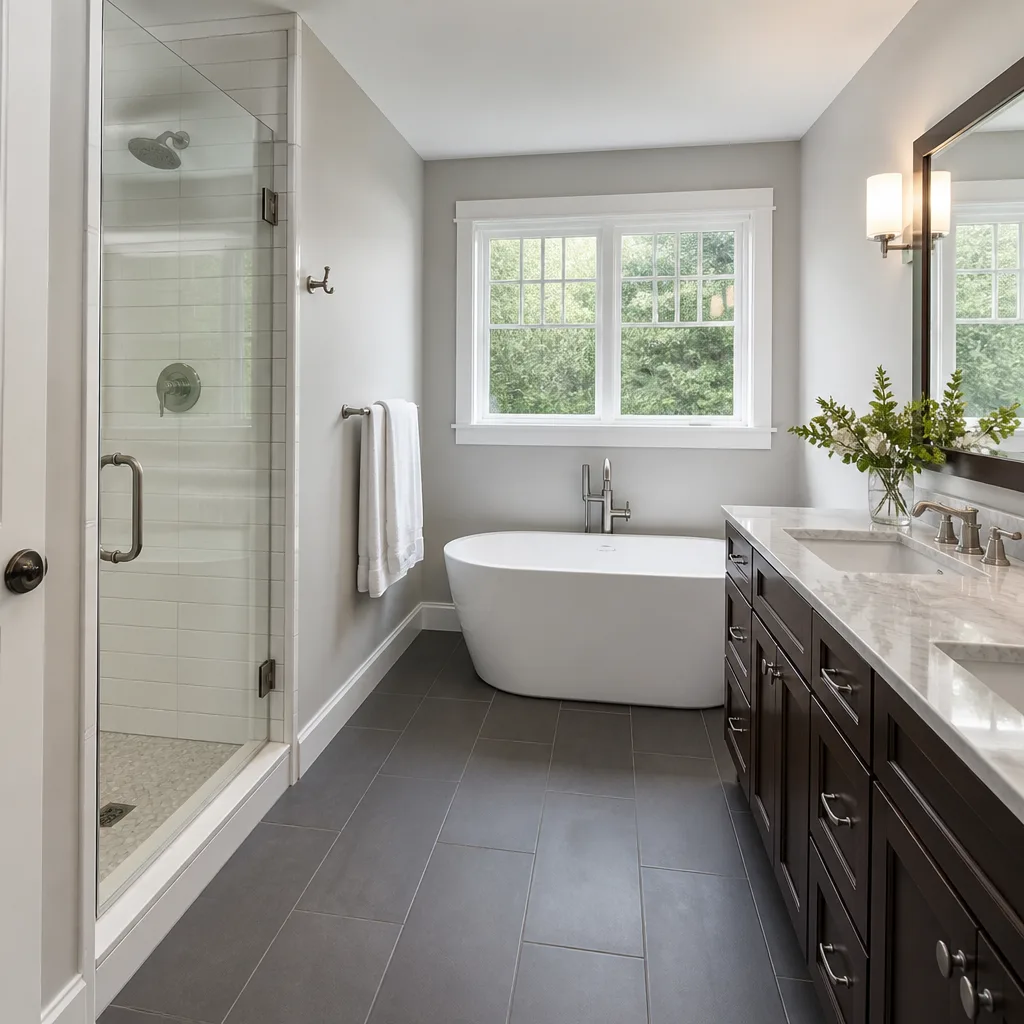 Bathroom remodeling
 Roofing
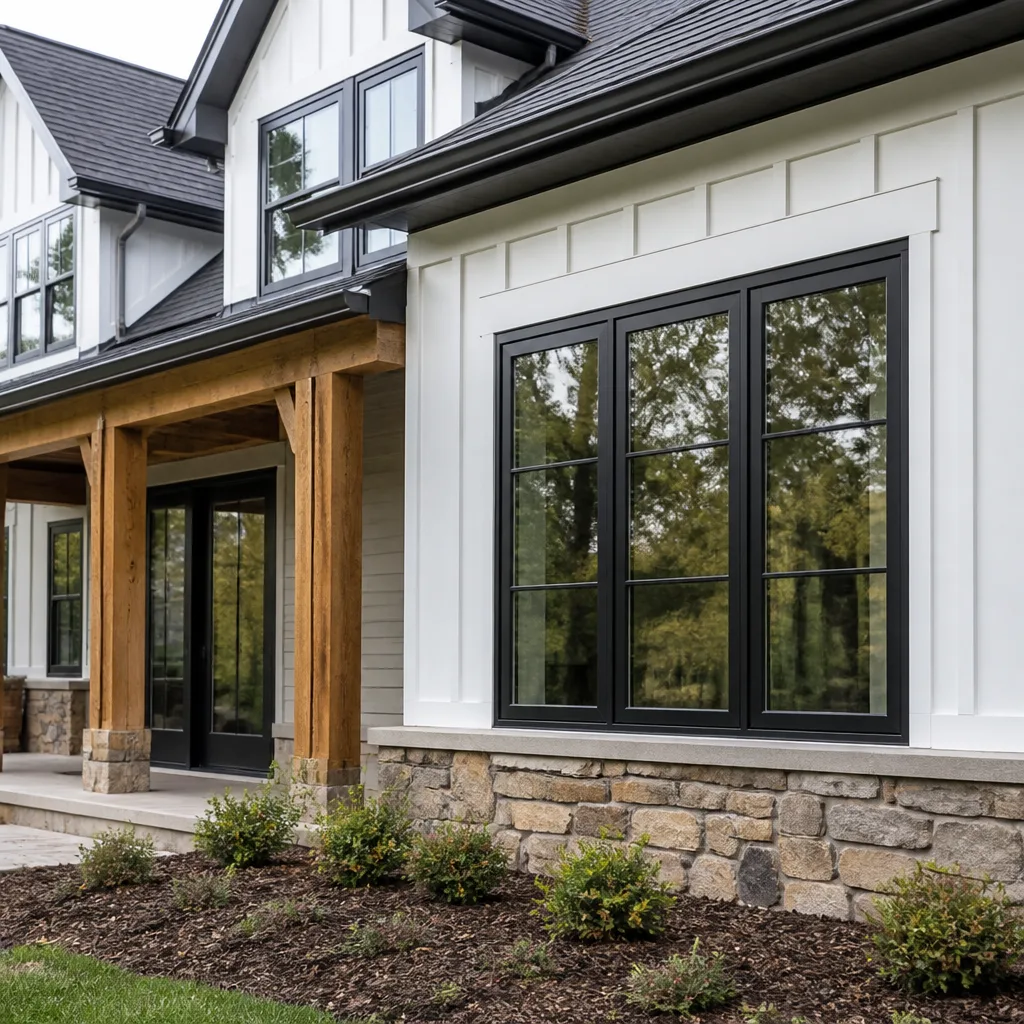 Windows & doors
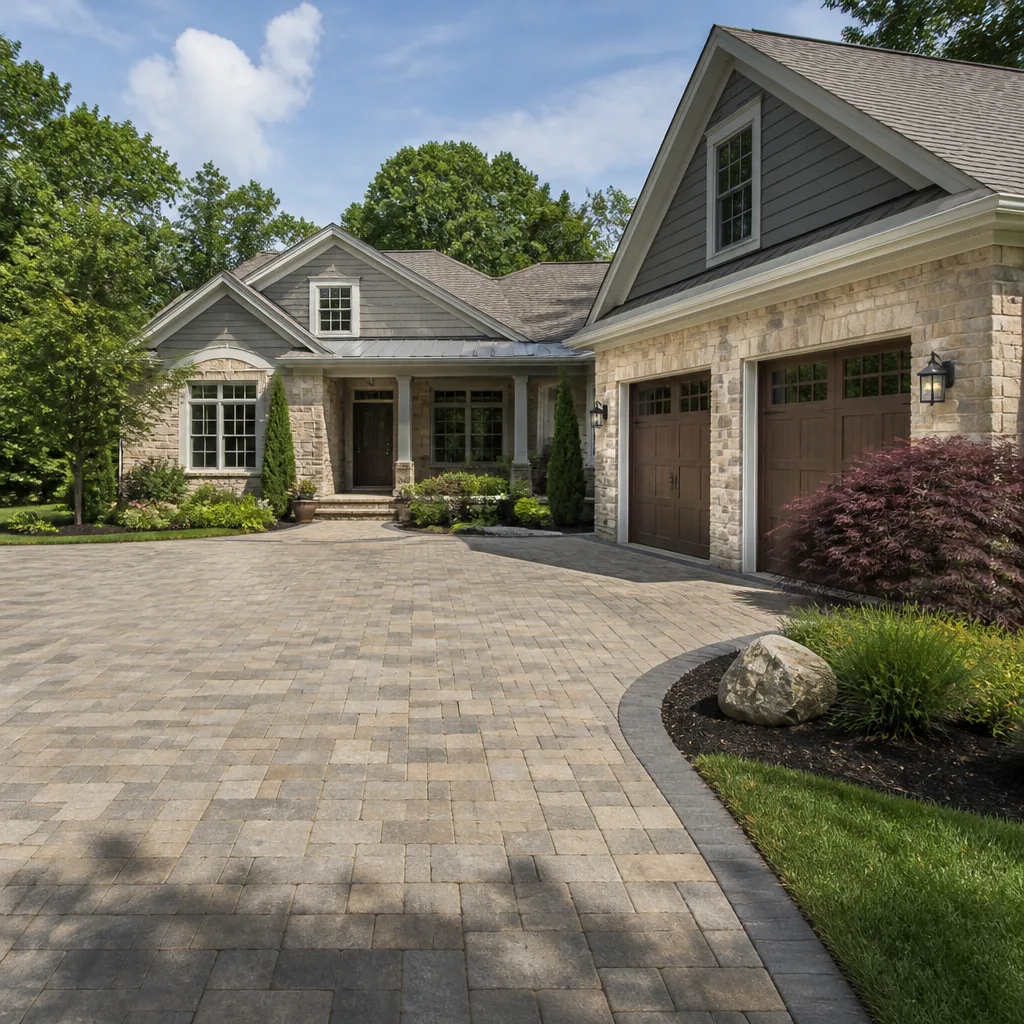 Driveway & pavers
 Fence
Free written scope consultation - allowances, timeline, and change-order rules on paper before a single trade is scheduled
DIY vs Professional Construction: The North Las Vegas Homeowner’s Decision Guide
Nevada law lets you act as your own general contractor. Pull your own permits, hire your own subs, sign your own name on the compliance line. That sounds freeing until you read the actual statute: as an owner-builder, you carry full legal liability for every code violation, every failed inspection, every subcontractor who walks off the job. In North Las Vegas, where summer temperatures push 115°F and the hardpan clay shifts under your slab, that liability gets expensive fast. This guide walks through what genuinely makes sense to DIY here, what doesn’t, and how to tell the difference before you spend money.
Quick Answer
Most finish-level interior work (paint, trim, hardware, basic fixture swaps) is safe for a capable North Las Vegas homeowner to DIY. Structural, envelope, and any work touching plumbing, electrical, or gas lines is not. The deciding factor isn’t your skill level. It’s whether a failed result shows up in six weeks or six years, whether an inspector can cite you personally, and whether the heat and clay soil of this valley punish installation errors harder than a mild-climate home ever would.
Styles & brands we work with
- Kitchen remodeling
- Bathroom remodeling
- Home additions & ADU
- Roofing
- Windows & doors
- Driveway & pavers
- Fence
Table of Contents
- What Nevada’s Owner-Builder Permit Law Actually Says
- Why the North Las Vegas Climate Punishes Installation Errors
- The True Cost of a DIY Failure: Redo Labor Is the Cheap Part
- Projects Where DIY Genuinely Saves You Money in North Las Vegas
- Projects Where the Risk/Reward Math Does Not Hold
- How to Use a General Contractor as a Consultant on Your DIY Project
What Nevada’s Owner-Builder Permit Law Actually Says
Nevada allows a homeowner to pull permits as an owner-builder on their own residence. The full project then carries your name as the responsible party. That’s not a technicality. When you sign an owner-builder permit application, you are certifying that you understand the relevant building codes, that you’ll arrange all inspections, and that you accept legal and financial responsibility for the outcome.
Most people read that as permission. Attorneys read it as exposure. If a subcontractor you hired does unpermitted work or fails an inspection, the violation writes itself against your address and your name. If someone gets hurt on your job site and your homeowner’s insurance doesn’t carry a construction rider (most don’t), the injury claim lands on you personally. And if you sell the house within a few years, a Nevada disclosure form has a line for unpermitted work. Answering it honestly can shave thousands off your asking price. Answering it dishonestly creates a liability that follows the deed.
What this means practically: the owner-builder path works best on projects where the scope is small, the inspection load is light, and the code complexity is low. A window replacement? Manageable. A full kitchen remodel with a moved gas line and a new circuit panel? That’s when the permit signature starts to feel heavier than you expected.
Before you pull any owner-builder permit in North Las Vegas, call the city’s building division and ask three questions: what inspections does this permit trigger, what code editions are they enforcing right now, and do they require a licensed electrician or plumber on specific trades even under an owner-builder permit. North Las Vegas enforces the 2021 International Residential Code with local amendments, and some amendments are stricter about energy compliance than the state baseline. Know that going in.
Why the North Las Vegas Climate Punishes Installation Errors
The Mojave Desert is not a forgiving environment for building materials. It’s not just the heat. It’s the cycle: 100+ degree days followed by 40-degree overnight drops in winter, ultraviolet radiation that breaks down sealants and coatings faster than anywhere a homeowner’s YouTube tutorial was filmed, and clay-heavy soil that expands and contracts with rare rainfall events. A caulk joint that holds up fine in a coastal climate with 70-degree averages will crack and fail here within two summers if it wasn’t prepped and applied correctly.
Take stucco, the dominant exterior cladding across North Las Vegas. Stucco has a narrow application window, typically requiring surface temperatures between 40°F and 100°F during application and curing. That window almost never exists outdoors in a Las Vegas summer. Apply stucco when it’s 110°F and the water evaporates before the cement can cure. The result is a weakened skin that starts hairline-cracking within months, and those cracks become water ingress paths during monsoonal storms. A professional contractor in this market knows to schedule stucco work in spring or fall, to use curing compounds when necessary, and to check the weather like a pilot checks a flight plan.
Roofing is a similar story. Tile and asphalt shingle installations in North Las Vegas have to account for thermal expansion in a way that a DIY guide simply doesn’t cover. Underlayment rated for high heat is non-negotiable. Some manufacturers, including Boral, publish climate-specific installation bulletins for desert markets. If your DIY approach doesn’t include reading those bulletins and following them precisely, the warranty from the manufacturer is void before the first summer. A GAF or CertainTeed shingle roof installed by a certified contractor carries the manufacturer’s wind and material warranty. A roof you tear off and reinstall yourself carries your personal guarantee, which your insurance company won’t back.
The True Cost of a DIY Failure: Redo Labor Is the Cheap Part
The labor to rip out a bad tile job and redo it costs money, but labor is the least painful line item. The expensive failures are the ones that stay hidden until they become structural or legal problems.
Here’s what a DIY failure actually costs in North Las Vegas, ranked from least to most expensive:
- Redo labor and materials. You pay twice for the same trade. Annoying but predictable.
- Permit violations and re-inspection fees. North Las Vegas charges re-inspection fees per occurrence. Fail the same inspection three times and you’re paying for each visit, plus the time you’ve lost. Some violations also trigger a partial stop-work order on the whole permit, which stalls every other trade on the project.
- Insurance gaps. Most homeowner’s policies cover sudden and accidental damage, not slow deterioration caused by faulty workmanship. If your DIY plumbing leak rots out a floor joist over two years, the adjuster typically denies the claim and you’re paying for both the repair and the structural fix out of pocket.
- Disclosure at resale. Nevada’s residential disclosure form explicitly asks sellers whether any work was completed without permits or fails to meet code. When you disclose that, buyers negotiate. When you don’t, you’ve committed a misrepresentation that can unwind a sale after closing. The liability window in Nevada on undisclosed defects is measured in years, not weeks.
There’s also a hidden market cost. In North Las Vegas, buyers are increasingly ordering pre-listing inspections before they make offers. An inspection that flags unpermitted owner-builder work doesn’t just affect the sale price. It can shift which loan products a buyer can use, since some FHA and VA appraisal guidelines have stricter standards for evidence of permitted work. Your DIY savings can effectively reduce the pool of buyers who can finance the purchase at all.
Projects Where DIY Genuinely Saves You Money in North Las Vegas
This isn’t a warning against every hammer in the garage. There are projects where a careful homeowner saves real money without meaningful risk. The pattern is consistent across all of them: no structural changes, no plumbing or electrical rough-in, no water-resistance assemblies, and a failure mode that’s cosmetic or easily reversible.
Projects worth doing yourself:
- Interior paint and drywall texturing. North Las Vegas homes with knockdown texture are forgiving to patch. A careful DIY drywall patch with a can of aerosol texture runs under $40 in materials. A pro charges $150-300 for the same single patch because the trip charge is the cost, not the labor. Across a whole room of paint, you’ll save $1,200-2,500 on labor.
- Cabinet hardware and fixture updates. Swapping hinges, pulls, and light trim kits is a depth-of-knowledge task, not a structural one. A drill and a template jig cover most of it.
- Landscape drip irrigation repair. Elastomeric tubing and compression fittings are designed to be field-serviced by owners. The failure mode is a wet patch and a dead shrub, both fixable.
- Fence panel replacement on a flat run. If the posts are set in concrete and still plumb, replacing a few redwood or composite pickets is straightforward. We’d still avoid setting new posts yourself; post depth in this clay soil matters and a short post will lean within the first wet winter.
- Basic hardscape edging and paver relaying. Lifting, re-leveling, and resetting a small area of pavers over a compacted base is approachable. The caveat is drainage slope: North Las Vegas properties often pitch toward the house to manage the rare but intense rainfall. If you reset pavers flat or with reverse slope, you create a ponding problem against the foundation. Match the original grade or consult before you change it.
The savings on these projects are real because the risk is capped. If a paint job looks bad, you repaint. If a pulled tile looks bad, you’re looking at the cost of new underlayment, waterproofing, and tile, all installed by a professional this time.
Projects Where the Risk/Reward Math Does Not Hold
Some projects carry a failure mode that outruns the savings. Here’s the pattern to watch for: anything that touches the building envelope, anything with gas or line voltage, anything with waterproofing, and anything where the contractor’s brand certification and warranty are part of what you’re paying for.
- Window and door replacement. This looks deceptively simple until the first summer thunderstorm. A window that isn’t flashed correctly to the WRB (weather-resistant barrier) leaks inward, not outward. The water rots the rough opening, then the trim, then the surrounding sheathing. By the time you see the stain, the repair is a siding removal, not a bead of caulk. Impact-rated systems from PGT and CGI carry third-party certification for debris impact, and their warranties are contingent on certified installation. A DIY window install voids the very protection you paid extra to get.
- Roofing, full stop. We see owner-builder roofs in North Las Vegas neighborhoods that were installed without proper ventilation math. A ridge vent cut too short or a soffit path blocked by insulation turns the attic into a heat trap. Tile and shingle warranties from every major manufacturer, including Boral on the tile side, require installer certification for warranty activation. Your homeowner’s insurance may also ask who installed the roof when you file a storm claim. An owner-builder answer complicates the claim.
- Gas line and appliance moves. The code on gas piping is prescriptive and the inspection is strict, as it should be. A slow gas leak in a sealed, air-conditioned Nevada home is an odorless hazard. This isn’t a place to learn.
- Bathroom waterproofing. A shower pan liner installed with the wrong slope, a curb notched into the membrane, a seam not lapped in the right direction. Every one of these produces a slow leak that soaks into the subfloor for months before it shows. The tile looks perfect. The framing behind it doesn’t care.
- Electrical panel work. Even under Nevada’s owner-builder rules, some North Las Vegas electrical work requires a licensed electrician. The permitting office will tell you on the phone. Listen to them. Aluminum-to-copper terminations, proper torque on breakers, grounding electrode compliance. These are not YouTube topics.
Our recommendation isn’t abstract. We’re a full-scope General Contractor in North Las Vegas, and we take calls every week from homeowners who got halfway through an envelope or structural project and realized the scope had outgrown the owner-builder permit they pulled. The difficult conversation is always cheaper before the work than after it fails an inspection.
How to Use a General Contractor as a Consultant on Your DIY Project
There’s a middle path between full DIY and full-service remodeling, and it’s underused. Paying a home remodeling contractor for a couple hours of consultation before you start can save you more than any material you buy.
Here’s how the consulting model works in practice:
- Pre-project site walk. You walk the scope with the contractor for 60-90 minutes. They point out load-bearing conditions, electrical risks, material suitability questions, and code issues you wouldn’t know to ask about. You take notes and use the walk to decide which parts to DIY and which to subcontract.
- Materials review. You bring your material list or samples. The contractor tells you whether your choices will meet North Las Vegas energy code, whether your tile is rated for the floor deflection you have, and whether your paint sheen choice will actually hold up on a west-facing stucco wall. Specific brands, specific recommendations. At Stonehall Construction, we stock knowledge across 50+ manufacturer lines, which means we can tell you whether a Cambria or Caesarstone slab is worth the premium over a Silestone for your particular kitchen, not just quote the price difference.
- Trade scoping. The contractor identifies which tasks require a licensed electrician or plumber even under an owner-builder permit. You handle the rest. This single step prevents the most common owner-builder violation we see in North Las Vegas: completed electrical work with no licensed oversight and a failed inspection on the first visit.
- Inspection prep walk. Before your scheduled city inspection, the contractor walks the job and flags what the inspector is likely to look at based on the local code amendments. You fix the issues before the inspector arrives, which saves you the re-inspection fee and the time delay.
This model works because it respects both sides of the equation. You save money by keeping the work you’re actually equipped to do. We keep projects out of the failure category that costs owners the most. The consultation fee is usually paid back by the first mistake it prevents.
What a Full-Scope Contractor Actually Coordinates (That You’d Otherwise Carry Alone)
When a home renovation project crosses multiple trades, the coordination burden becomes the majority of the work. A kitchen remodel in this market might touch cabinetry, countertops, plumbing, electrical, gas, tile, paint, and structural work if a wall moves. Under an owner-builder permit, you are the general contractor. That means you sequence the trades, you schedule inspections between them, you handle the plumbing supply house and the tile warehouse, you mediate disputes, and you own every delay.
The professional GC model changes the shape of that workload. One contract, one schedule, one person who takes the call when the countertop fabricator measures wrong or the electrical rough-in fails because a junction box wasn’t accessible. Stonehall Construction runs home remodeling projects as a single accountable source across every trade, from the foundation to the roofline. That doesn’t mean every project needs a full-service GC. It means you should understand what you’re choosing to coordinate yourself when you go the owner-builder route.
How to Think About Warranty Across DIY and Professional Work
Warranty is where the DIY-vs-professional decision often flips. A professional installation typically carries two layers: the manufacturer’s product warranty and the contractor’s workmanship warranty. Both are conditional. The manufacturer’s warranty requires certified installation and registered proof of purchase. The contractor’s warranty is only worth anything if the contractor is licensed, insured, and still in business when you need them.
A DIY installation carries neither layer, but it carries the same material cost. You buy a premium shingle, install it yourself, and you’ve paid the material premium without the install certification that would activate the warranty. You’d have been financially better off buying a mid-tier product, because the premium was paying for a protection you can’t claim.
This matters most on exterior materials in North Las Vegas. A fencing product from CWS with a factory finish warranty, installed by a certified installer, is a different purchase than the same product installed by an owner. The UV exposure here will test the finish within two years. When the finish degrades and you call the manufacturer, the first question is who installed it. In our experience, that’s the conversation where the DIY savings stop feeling like savings.
See the difference
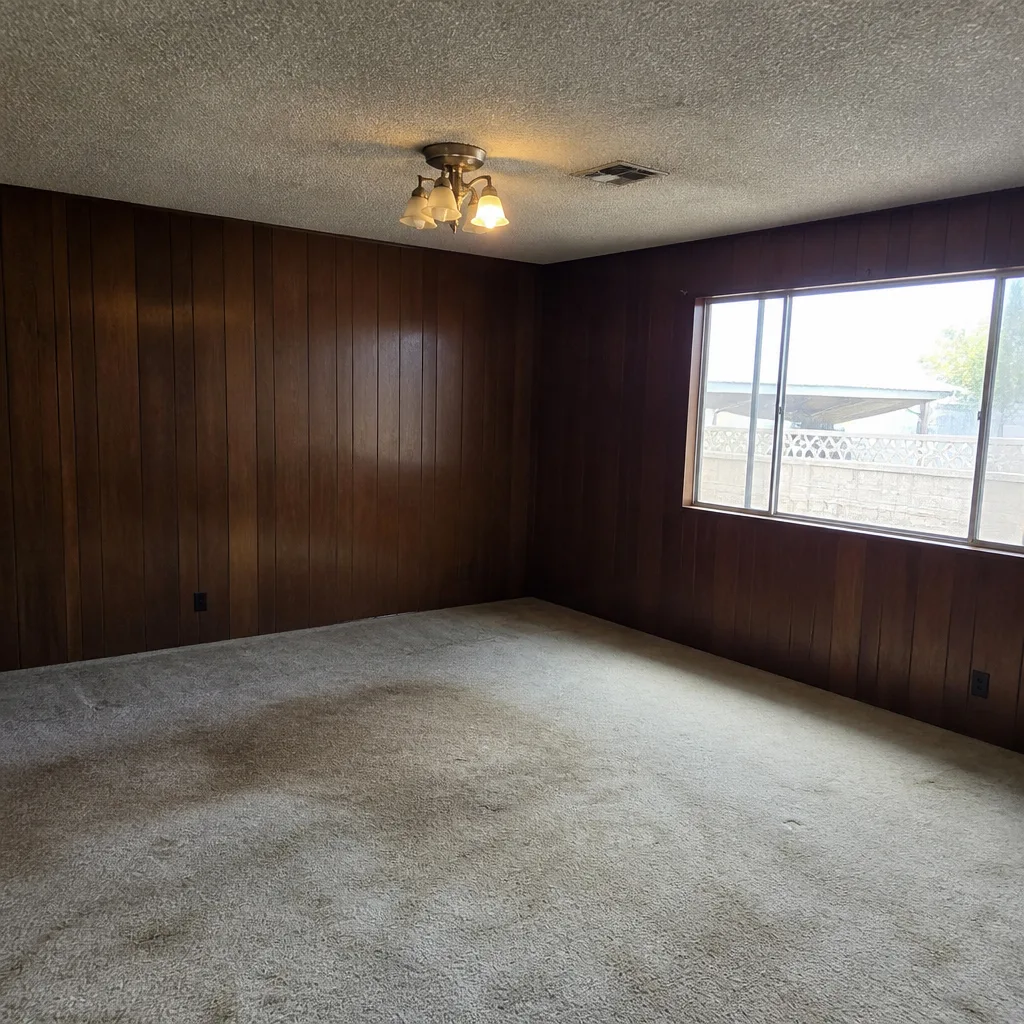 Before
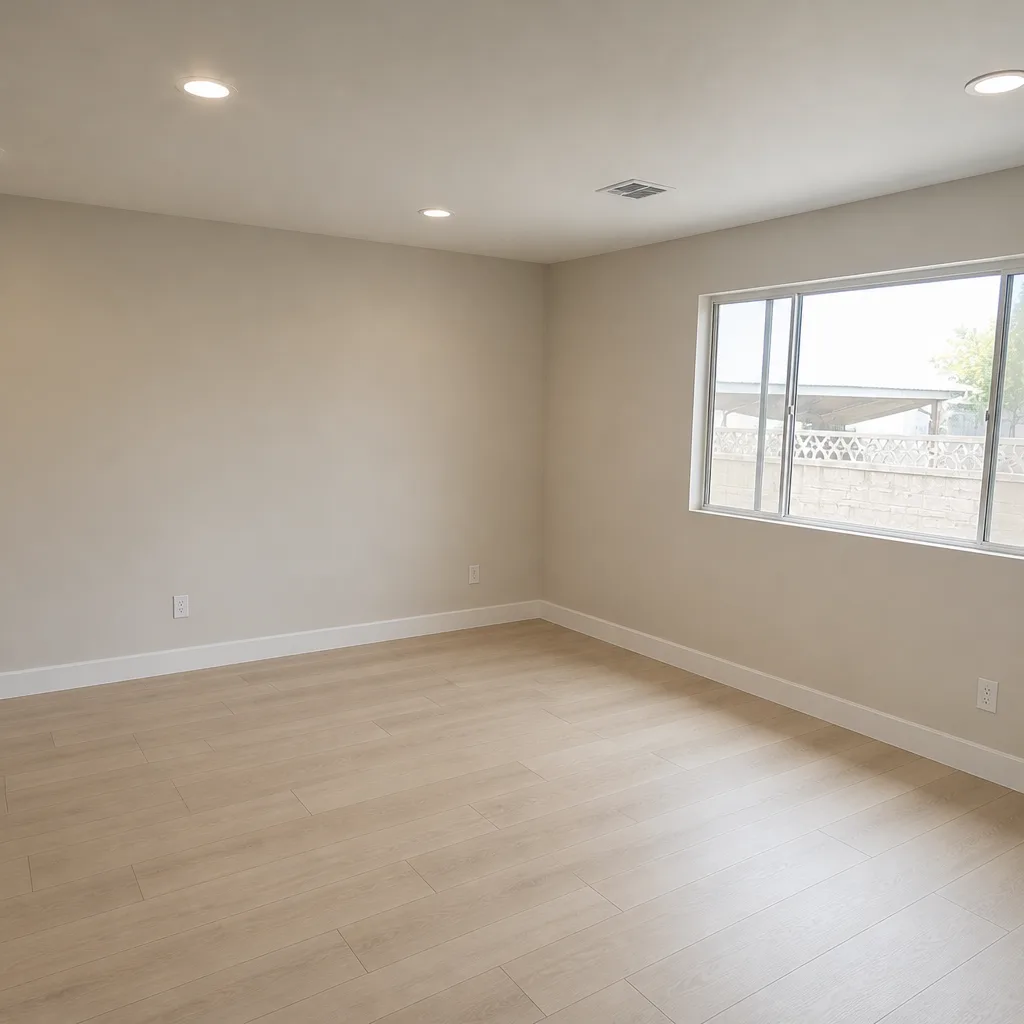 After
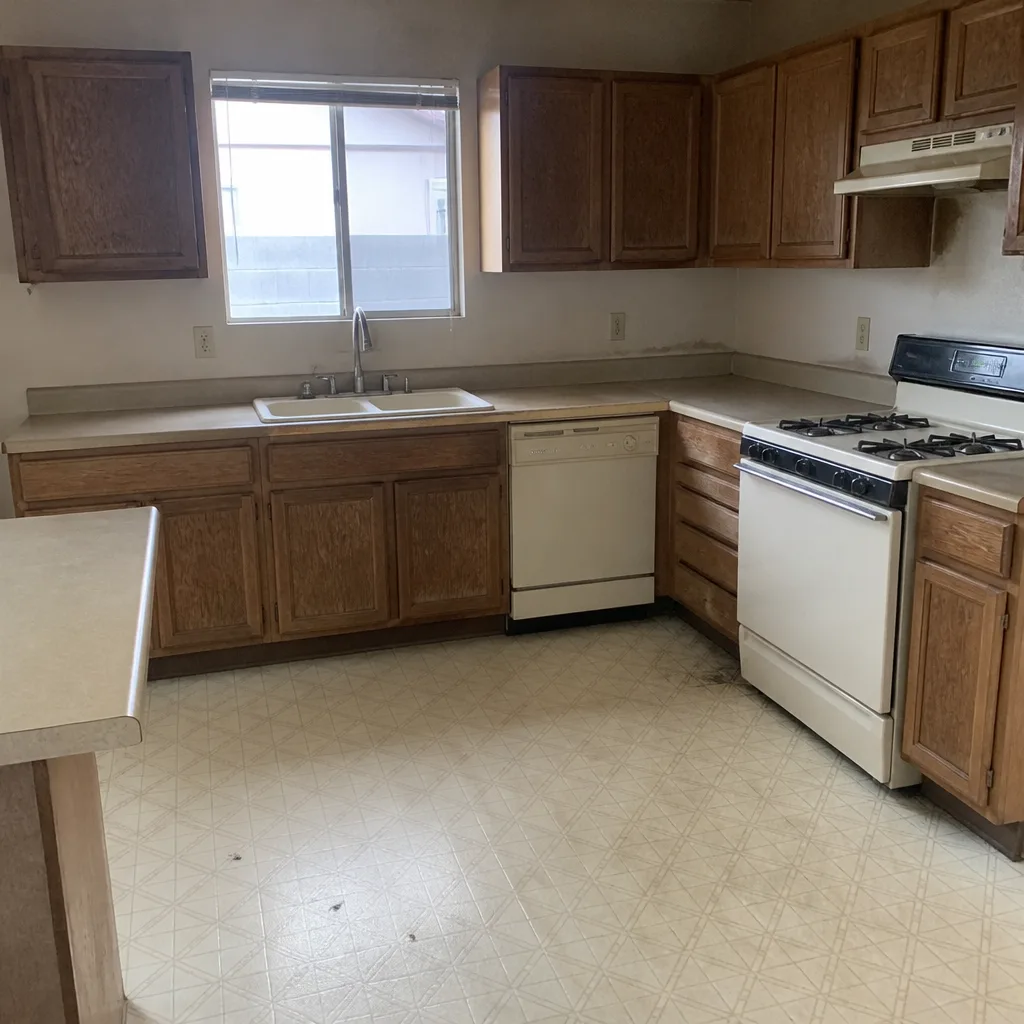 Before
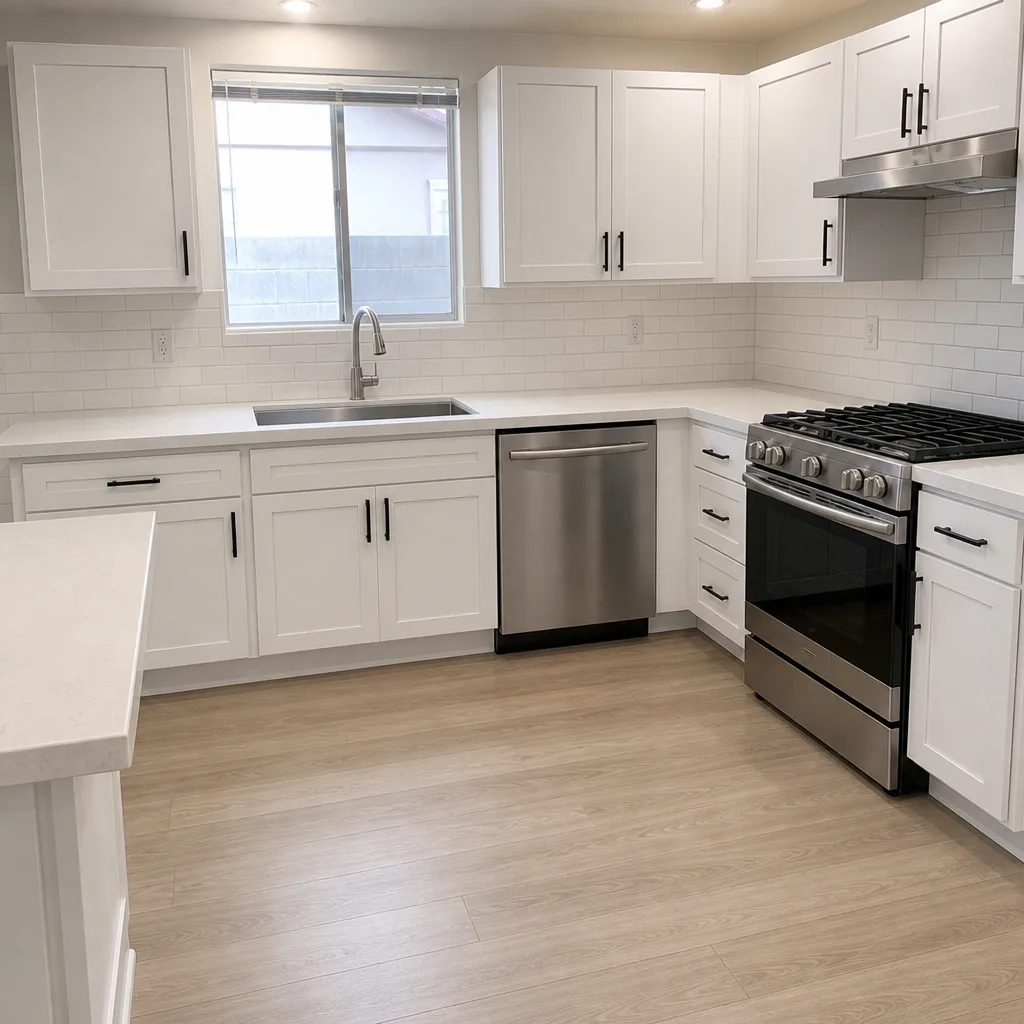 After
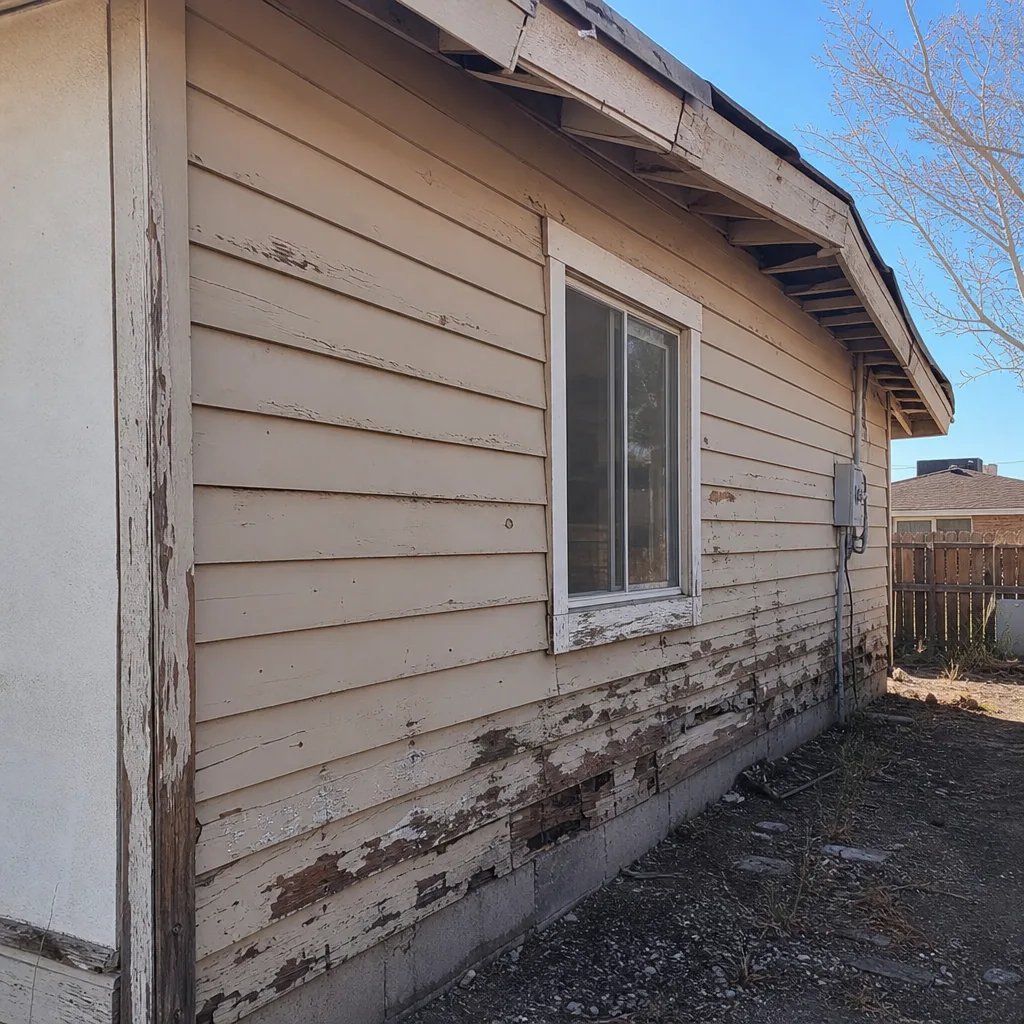 Before
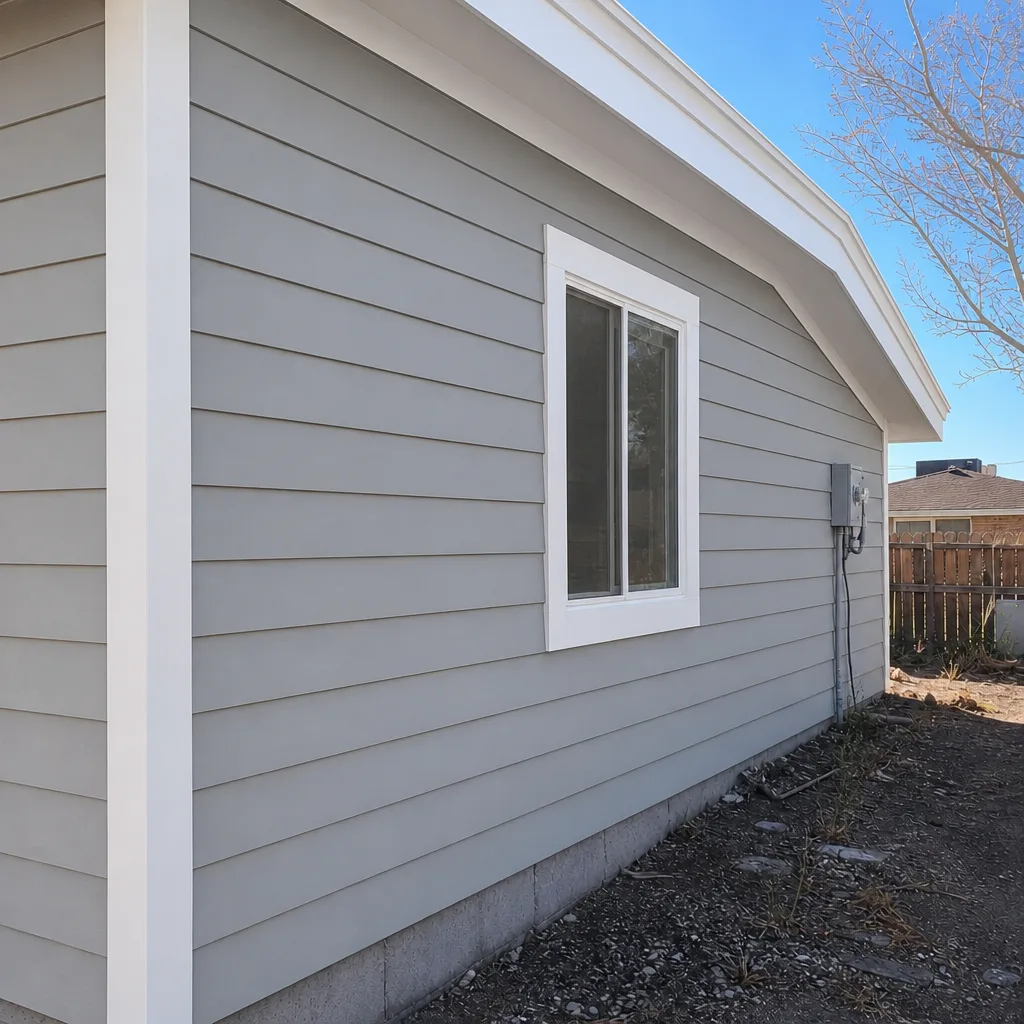 After
Common Mistakes to Avoid
- Pulling an owner-builder permit before checking which trades require a licensee. North Las Vegas enforces licensing requirements on certain electrical and plumbing work even under owner-builder rules. Call the building division first.
- Underestimating the heat’s effect on curing materials. Concrete, stucco, and some coatings cure differently at 110°F than at 75°F. A DIY guide written for a national audience won’t account for this valley’s specific conditions.
- Assuming homeowner’s insurance covers construction-phase damage. Most policies exclude damage from work in progress and don’t cover injuries to paid workers without a construction rider. Check your policy language before you start.
- Treating flashing and waterproofing as a caulk-and-paint issue. These are lateral load and water management systems. A bead of silicone is not a flashing detail.
- Ignoring resale disclosure obligations. North Las Vegas buyers and their inspectors are savvier than they were a decade ago. Undisclosed owner-builder work surfaces in pre-listing inspections and becomes a negotiation lever against you.
- Sequencing trades wrong and paying for it in rework. Drywall before plumbing inspection, paint before electrical final, tile before waterproofing inspection. Each one is a variation of the same mistake: not understanding inspection order before work begins.
When to Call a Professional
Call when the project touches the building envelope, moves a load-bearing element, involves gas or line voltage, or requires waterproofing that will be permanently covered. Call when the manufacturer’s warranty on a premium product requires certified installation. Call when you’ve pulled an owner-builder permit and realize the scope has expanded beyond what you can coordinate. Call when you’d rather write one check and get one accountable team than manage six subs and three supply houses across eight weeks. Stonehall Construction offers free estimates in North Las Vegas – call (833) 772-4634 and we’ll walk the scope with you, even if the answer is that you should do part of it yourself.
Frequently Asked Questions
Yes. Nevada law permits owner-builders on their own primary residence. You can pull permits and hire subcontractors directly. The tradeoff is that you assume full legal and financial responsibility for code compliance, inspections, and any defects that surface later. The city also requires licensed electricians or plumbers on some trade work even under an owner-builder permit. If you’d rather have a licensed team handle the coordination, a General Contractor in North Las Vegas can take the whole project under one contract.
Interior painting, drywall patch and texture, cabinet hardware replacement, basic landscape drip irrigation repair, and fence panel replacement on existing sound posts. These projects share the same profile: no structural changes, no plumbing or electrical rough-in, no waterproofing assemblies, and a failure mode that’s cosmetic or easily reversible. For anything beyond that scope, a home remodeling professional can scope the job before you start.
More than the labor to redo the work. The expensive categories are permit re-inspection fees, insurance claim denials for faulty workmanship, and resale disclosure obligations. In North Las Vegas, a pre-listing inspection that finds unpermitted owner-builder work can reduce your buyer pool and your sale price. These costs typically run into the thousands even before you pay for the actual repair.
Generally not for gradual damage caused by faulty installation. Homeowner’s policies cover sudden and accidental events, not slow deterioration from a plumbing leak or waterproofing failure you caused. Check your policy language before starting structural or water-related work. If you’re not sure whether a project exposes you, Stonehall Construction can review the scope and tell you what we’d flag before you commit.
It changes it significantly. Stucco has a narrow curing temperature window that excludes most North Las Vegas summer days. Roofing underlayment must be rated for sustained high heat. Sealants degrade faster under high UV. Tile and pavers move with the expansive clay soil after rain events. Installation methods that work in temperate climates produce premature failures here. A home renovation contractor who works in this market daily knows which products and schedules survive the Mohave Desert.
Yes, and it’s a smart way to balance budget and risk. Many homeowners have us handle the structural or envelope work while they tackle finishes. We also offer consultation walks where we review your DIY scope, point out code and material issues, and prep you for inspections. Call (833) 772-4634 to discuss what that arrangement looks like for your specific project.
The Bottom Line
The DIY vs. professional decision in North Las Vegas isn’t about pride or skill. It’s about permit liability, climate-specific material behavior, and the cost structure of failure. Finish work on the interior, within reason, is yours to take. Envelope, structural, gas, electrical, and waterproofing work isn’t. Read the owner-builder statute before you sign anything. Check your insurance. Check the manufacturer’s warranty terms. And when the scope crosses the line into coordination-heavy territory, hire a licensed contractor who carries the risk with you, not one who leaves you holding the permit as the responsible party. In this market, that’s the math that actually decides the decision.
Written by the team at Stonehall Construction, serving North Las Vegas since 2013.