
Last updated November 1, 2026
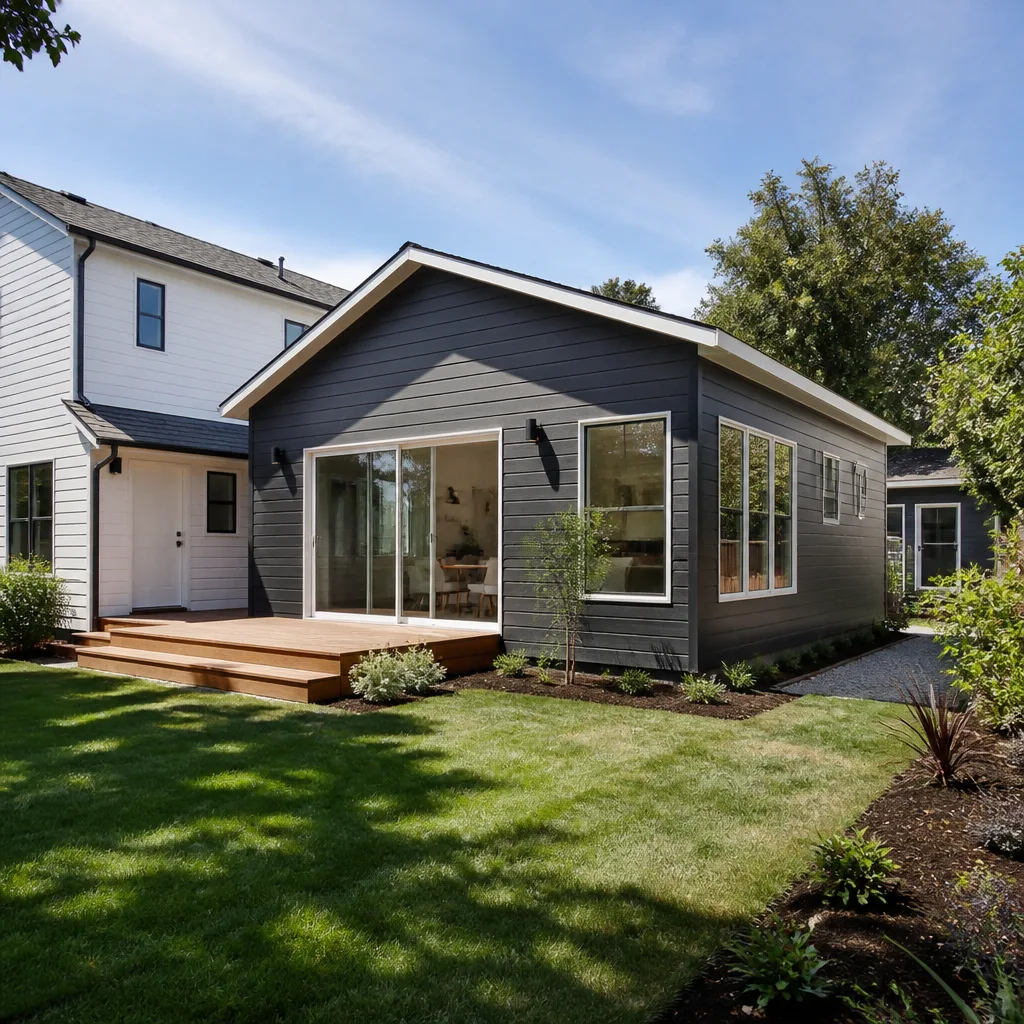 Home additions & ADU
 Kitchen remodeling
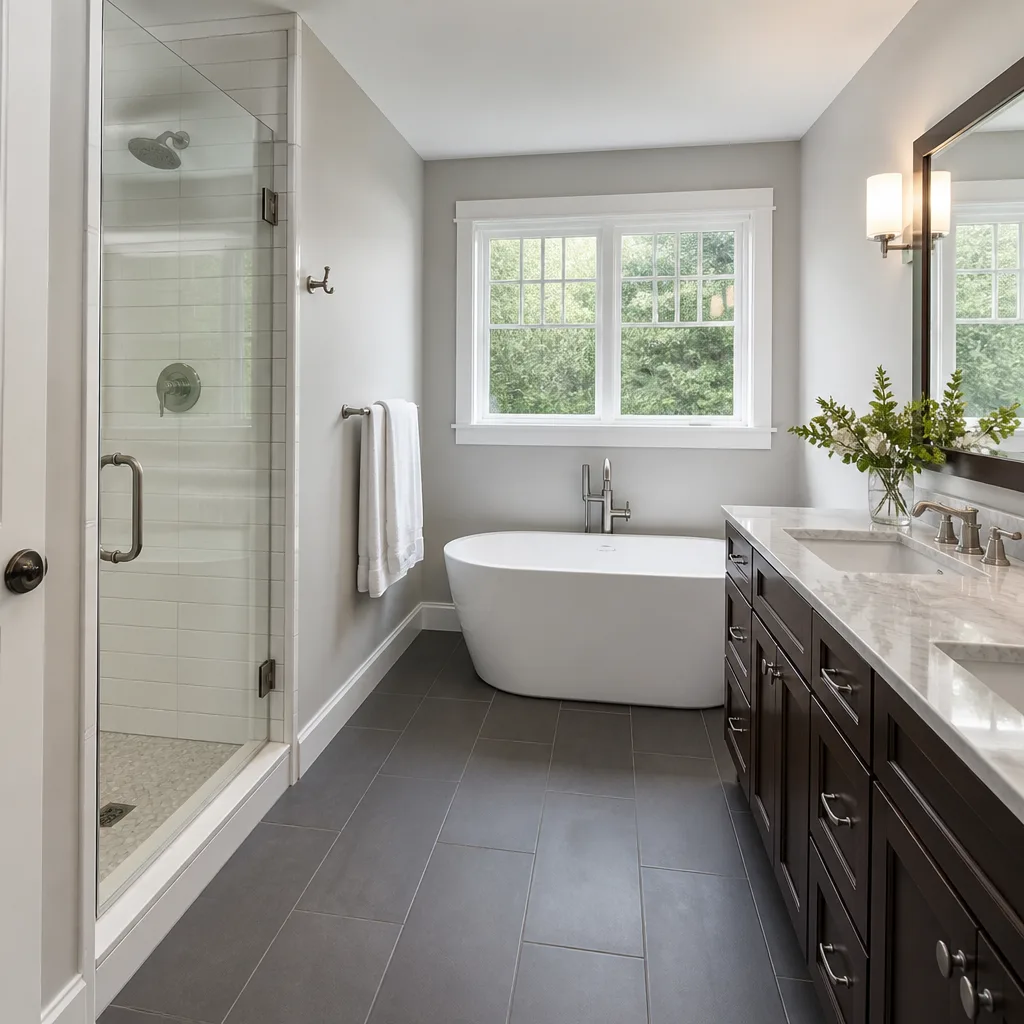 Bathroom remodeling
 Roofing
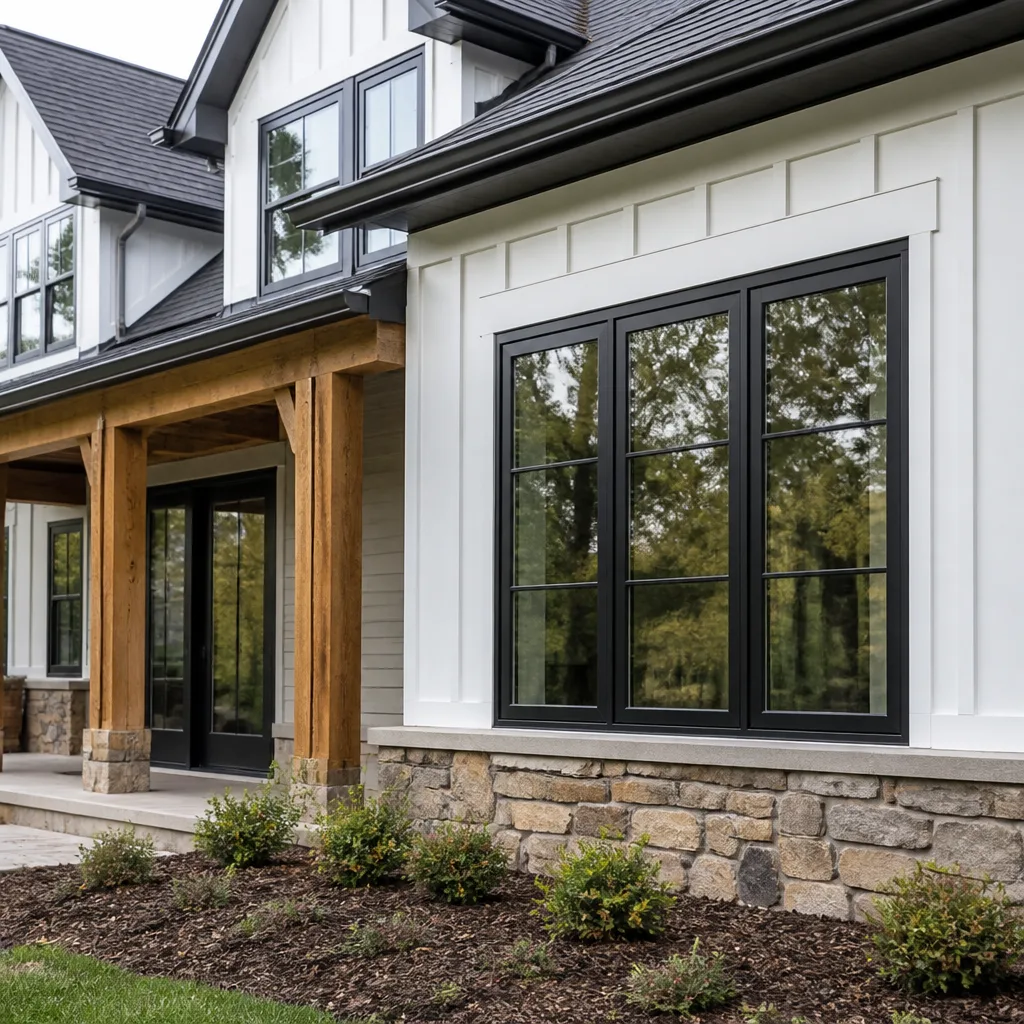 Windows & doors
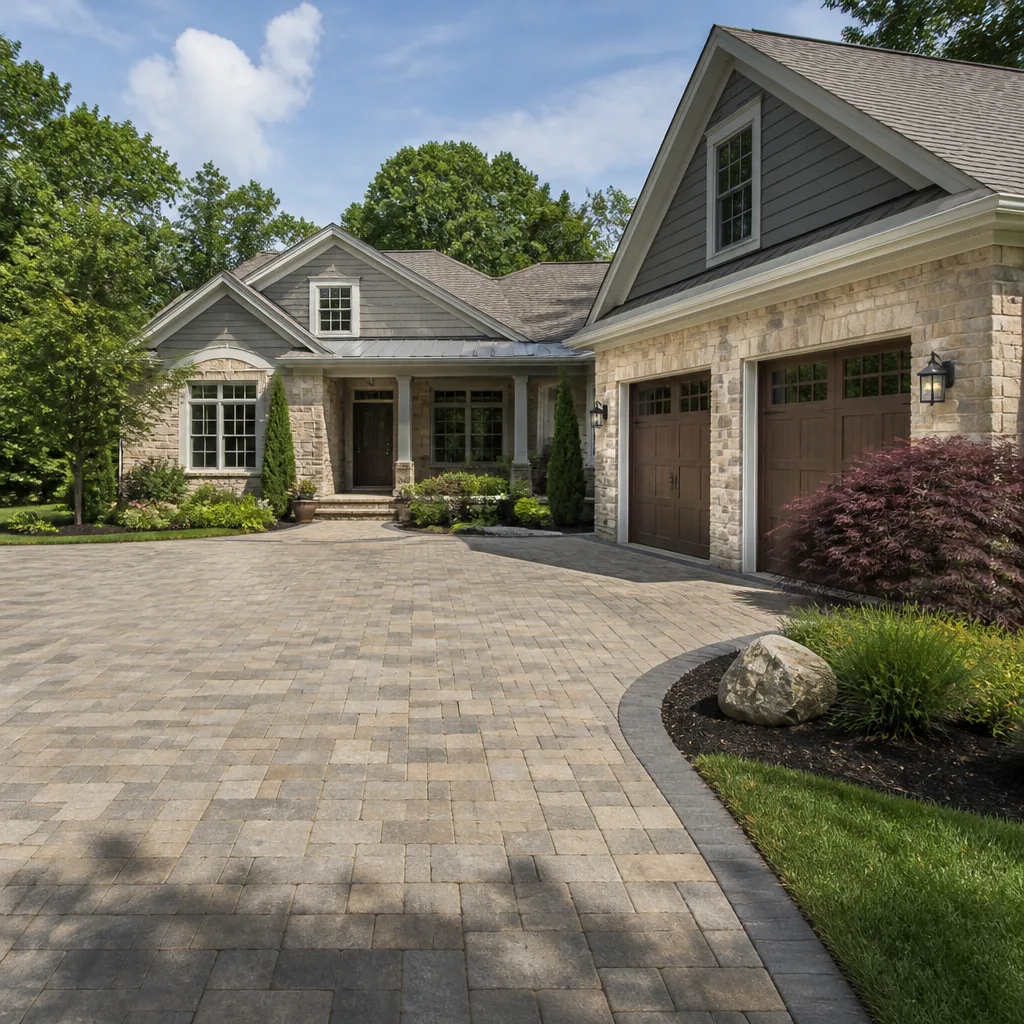 Driveway & pavers
 Fence
Free written scope consultation - allowances, timeline, and change-order rules on paper before a single trade is scheduled
General Contractor Maintenance Checklist for North Las Vegas Homeowners
Most homeowners in North Las Vegas are sitting on a maintenance list written for somewhere else. The generic seasonal checklists that circulate online were built for places with rain, freeze-thaw cycles, and basements. None of that applies here. What North Las Vegas homes actually face is a slower, quieter kind of damage: UV radiation at 2,000 feet of elevation breaking down exterior seals years ahead of national averages, alkaline water silently eating through supply lines and water heater tanks, and caliche soil shifting foundations in ways a standard home inspection never flags. This checklist is organized the way our General Contractor services approach a house: by systems, by failure points, and by what it costs to fix something early versus late. If you own a home in North Las Vegas, this is the list that keeps a five-year-old house from becoming a fifteen-year-old problem overnight.
Quick Answer
A North Las Vegas home maintenance checklist built by a general contractor prioritizes five things most generic lists skip: exterior envelope and stucco integrity under intense UV, water heater and fixture wear from alkaline municipal water, slab and foundation movement tied to caliche soils, HVAC systems running nine-plus months of cooling load, and flat or low-slope roofs common in 2000s-era construction. Tackle those five areas on a fixed schedule and you catch the repairs that cost hundreds instead of the replacements that cost thousands.
Styles & brands we work with
- Kitchen remodeling
- Bathroom remodeling
- Home additions & ADU
- Roofing
- Windows & doors
- Driveway & pavers
- Fence
Table of Contents
- Exterior Envelope and Stucco: The UV Problem No Generic Checklist Mentions
- Flat and Low-Slope Roofs: Built for the 2000s, Failing in the 2020s
- Slab and Foundation: Caliche Soil and the Cracks You Shouldn’t Ignore
- HVAC Maintenance Intervals Tuned to Nine Months of Cooling Load
- Alkaline Water and the Fixtures It Destroys On Schedule
- Windows, Doors, and Exterior Seals: Expansion and Contraction in the Mojave
- Common Mistakes to Avoid
- When to Call a Professional
Exterior Envelope and Stucco: The UV Problem No Generic Checklist Mentions
Most national maintenance guides tell you to check stucco for cracks after winter. North Las Vegas doesn’t have winter, not in any sense that stresses a house the way freeze-thaw does. What it has is roughly 300 days of sun a year, at an elevation near 2,000 feet, with summer UV indices that regularly hit 11 on a scale where 11 is the maximum rating. That means the elastomeric coatings, caulk joints, and exterior paints on a North Las Vegas home degrade on an accelerated timeline compared to coastal or high-humidity climates. In our work across North Las Vegas neighborhoods from Aliante to Eldorado, we routinely see exterior caulking that has hardened, cracked, or pulled away from window and door frames within three to four years of installation, well before the product’s rated lifespan.
The right maintenance schedule for exterior envelope work in North Las Vegas breaks down like this:
- Every spring, walk the full perimeter. Look at every caulk joint where stucco meets window frames, door frames, hose bibs, and exterior light fixtures. If the caulk is hard to the touch instead of slightly pliable, it’s failed. Hairline gaps let fine desert dust and monsoon-season moisture into the wall cavity.
- Check stucco for hairline cracks, not just big ones. In this climate, a hairline crack today becomes a channel for monsoon rain in August. North Las Vegas gets only four to five inches of rain a year, but when it comes, it comes fast. Water that enters through a crack doesn’t dry out the way it would in a humid climate; it gets trapped behind the stucco and works on the framing and sheathing.
- Test the elastomeric coating on parapet walls and fascia boards. These horizontal and near-horizontal surfaces take direct UV all day. If the coating has faded to a chalky white or shows fine spider cracking, it’s no longer shedding water. Re-coating before the underlying surface fails is a few hundred dollars; replacing rotted fascia is a few thousand.
- Inspect where stucco meets concrete flatwork. Driveways, walkways, and patios expand and contract at a different rate than the stucco wall above them. That joint is a chronic failure point in North Las Vegas, especially on the south and west exposures.
Homeowners who do one exterior envelope walkthrough a year, armed with a tube of quality exterior caulk and a notepad, catch the majority of problems before they require a contractor, as explained in General Contractor Troubleshooting: Common Problems and How to Fix Them. Homeowners who skip it for three years are usually looking at a repaint, re-caulk, and in some cases stucco repair north of five figures by the time we get the call. The desert does not announce itself. It just keeps working.
Flat and Low-Slope Roofs: Built for the 2000s, Failing in the 2020s
North Las Vegas experienced a construction boom between roughly 1998 and 2008, and a large share of the single-family homes built during that window have flat or very low-slope roof sections. Builders favored them because they were fast and inexpensive to frame, and because they matched the architectural style of the era. The problem: a flat roof in the Mojave Desert accumulates two things a pitched roof never sees, constant UV exposure on a horizontal plane and standing water from the brief but intense monsoon events. Combine those, and flat roofs in North Las Vegas are hitting the end of their service life right around now.
Here’s the checklist we use when evaluating flat roof condition on a North Las Vegas home:
- Check for ponding water 48 hours after any rain. The industry rule of thumb is that standing water on a flat roof should drain or evaporate within 48 hours. In North Las Vegas, evaporation is fast; if you still see a puddle two days after a storm, the roof drains are clogged or the slope has sagged. That puddle is cooking the membrane.
- Look for alligator cracking on modified bitumen or built-up roofs. The UV exposure at our elevation degrades the asphalt surface of these roofs faster than anywhere with cloud cover. If the surface looks like alligator skin, the membrane is past its midpoint and should be patched or recoated before it leaks.
- Inspect flashing at all penetrations. HVAC curbs, plumbing vents, skylights, and the seam where the flat roof meets the steeper gable. These are the first points to fail, and in our experience they fail more often than the field of the roof itself.
- If the home has a foam or coated roof, check the coating thickness. Several North Las Vegas builders used SPF (spray polyurethane foam) roofs on production homes. The foam itself is a good insulator, but the protective coating is only a few mils thick. Once the coating wears through in spots, the foam absorbs water like a sponge. That’s a full roof replacement, not a patch job.
Flat roofs should be inspected twice a year in this climate, once before monsoon season and once after. A $400 maintenance coat applied in April prevents a $12,000 replacement in September. We know that math from multiple North Las Vegas neighborhoods where the same roof system has performed differently based purely on whether the owner kept up with recoating. If you buy a home with a flat roof that’s more than 15 years old and has never been recoated, budget for the work. The desert gives no free passes on roofs.
Slab and Foundation: Caliche Soil and the Cracks You Shouldn’t Ignore
Every home in North Las Vegas sits on some combination of soil that includes caliche, a hard, calcium-carbonate-rich layer that forms naturally in arid climates. Caliche is not uniform. It appears as veins, pockets, and lenses scattered through the soil profile. When a slab is poured over soil with inconsistent caliche content, the soil beneath the slab does not expand and contract uniformly with moisture changes. Different sections of the slab move at different rates. Over years, that differential movement produces the hairline cracks, sticking doors, and uneven floors that homeowners notice but often write off as cosmetic.
The general contractor’s foundation checklist for this region looks like this:
- Mark every crack you find and measure it twice a year. Hairline cracks in a North Las Vegas slab are often harmless, but the only way to know is to track movement over time. Use a pencil mark at the ends of each crack and re-measure quarterly. A crack that grows by an eighth of an inch in six months is active and worth evaluating.
- Check the soil line around the perimeter twice a year. In the Mojave, the soil next to the foundation wicks moisture away from the slab and accepts it back during rain. A visible gap between the soil and the foundation edge, especially after a dry summer, is normal. Soil that has eroded away from the slab edge entirely, creating a channel, is not. Water from irrigation systems or downspouts that pools against the foundation is the number one cause of localized slab movement we see in North Las Vegas.
- Watch for doors and windows that stick in summer but not winter. This is a classic sign of slab heave, where moisture in the soil causes a section of the slab to lift slightly. It often happens near landscaping with heavy irrigation, or on the side of the house where a downspout discharges. Redirect the water first, then monitor the door. Many “foundation problems” in North Las Vegas resolve once the water issue is fixed.
- Look for vertical crack displacement on the stem wall. Hairline cracks that are flush on both sides are cosmetic. A crack where one side is higher than the other, even by a sixteenth of an inch, indicates real movement. That’s a call to a structural engineer or a licensed General Contractor in North Las Vegas who can evaluate the cause.
We tell owners the same thing about foundations we tell them about roofs: the expensive problems are the ones that were ignored for three years. Foundation repair in the Las Vegas Valley typically starts in the low five figures and goes up from there. Monitoring is free. The people who avoid those repair costs are the ones who paid attention when the crack was still the width of a credit card.
HVAC Maintenance Intervals Tuned to Nine Months of Cooling Load
The HVAC maintenance schedules printed in national guides assume a cooling season of three to four months. A North Las Vegas air conditioner runs from April through October, and in a hot year, March through November. The compressor outside your house is working a nine-month shift every year, and the evaporator coil inside is condensing moisture from air that is almost always dry, meaning the coil collects dust and debris differently than it would in a humid climate. Your HVAC system in North Las Vegas is essentially a commercial-grade workload on residential equipment.
That changes the maintenance math:
- Filters: check monthly during summer months. In North Las Vegas, fine dust from the surrounding desert and nearby construction makes its way into the return air stream faster than in most climates. A filter that would last three months in a humid, green city is clogged in six to eight weeks here. Clogged filters reduce airflow, which raises pressure and cools the evaporator coil below the dew point, which freezes the coil. Then the system stops cooling and the homeowner calls us on a 110-degree day.
- Condenser coils: clean twice a year, not once. The outdoor unit is pulling in air that carries dust, cottonwood fluff from landscaped neighborhoods, and fine grit from any nearby open desert or construction. A clean condenser coil rejects heat efficiently; a fouled one makes the compressor work harder, run longer, and die younger. Compressor replacement in this market often costs more than half the price of a new system.
- Drain lines: flush every spring. The dry air means less condensation overall, but the condensation that does form carries dust and debris that dries inside the drain line and builds up as a paste. That paste blocks the line, the pan fills, the float switch trips, and the system shuts down. A simple line flush with white vinegar costs nothing and prevents most of these calls.
- Duct leakage: test if you haven’t in five years. North Las Vegas attics regularly hit 140 degrees in summer. Ductwork sits in that heat. Leaky ducts mean you’re paying to cool the attic. A duct blaster test identifies leaks, and sealing them can reduce cooling costs by 10 to 20 percent, which in this climate is real money.
The simple rule for North Las Vegas: do the manufacturer’s recommended maintenance, then double the frequency. The manufacturer assumed a normal climate. You live in the Mojave.
Alkaline Water and the Fixtures It Destroys On Schedule
North Las Vegas municipal water comes primarily from the Colorado River via Lake Mead, with a smaller share from local groundwater wells. That water is hard, and it’s also alkaline, with pH levels that regularly run between 7.8 and 8.2, and hardness readings often exceeding 250 parts per million. What that means for your home is predictable and specific: scale builds up faster inside water heaters, faucets, shower valves, and supply lines than national averages suggest. Manufacturer lifespan estimates for water heaters assume water chemistry that simply does not match what comes out of the tap in North Las Vegas.
The general contractor’s water system checklist:
- Flush the water heater every year, not every three. Sediment and scale accumulate in the tank bottom, insulating the water from the burner and causing the tank to overheat at the base. That overheating causes the glass lining to crack prematurely. The most common water heater failure mode in North Las Vegas is a corroded tank bottom caused by years of built-up scale, not a failed burner or thermostat.
- Replace the anode rod every three to four years. The anode rod is a sacrificial piece of metal inside the tank that attracts corrosive elements in the water. In North Las Vegas water, anode rods are consumed roughly twice as fast as in national averages. A $40 rod replaced on schedule extends a water heater’s life from eight years to twelve or more. Skip it and you’re buying a new heater early.
- Inspect shower valves and faucet cartridges every two years. Scale builds up inside mixing valves, causing them to seize or develop uneven temperature control. A cartridge replacement is a $20 part and an hour of labor. A seized valve that breaks during removal is a plumbing wall repair.
- Check supply lines under sinks for green crust at the connections. The slight alkalinity of the water accelerates corrosion at brass-to-copper and brass-to-steel joints. White or green crust is the early warning sign of a pinhole leak. Those pinhole leaks in North Las Vegas homes are usually found inside the wall or under the cabinet only after water damage has already started.
If you have a water softener, keep it maintained. If you don’t, the maintenance intervals above are your protection. The water in North Las Vegas is not going to change. The only variable is whether you schedule around it or let it schedule you.
Windows, Doors, and Exterior Seals: Expansion and Contraction in the Mojave
A North Las Vegas home experiences a 50-degree temperature swing between a typical January night and a typical July afternoon. That’s not the extreme, just the ordinary. Your windows, doors, and the seals around them expand and contract with those swings every single day. Over a year, that’s hundreds of cycles. Over a decade, it’s thousands. The seals and weatherstripping that keep hot air out and cooled air in are the consumable components of your house, and in this climate, they’re consumed faster.
What a general contractor checks that most homeowners miss:
- Weatherstripping on every exterior door. The bottom sweep on garage entry doors and back doors wears out from dust, heat, and use. Hold a flashlight against the door at night and look for light coming through the gap. If you can see light, you’re air-conditioning the street.
- Window glazing and seals. Double-pane windows have a seal between the panes that keeps the insulating gas in. When that seal fails, the window develops internal condensation or fogging that never clears. In North Las Vegas, the main cause is heat-driven expansion and contraction of the frame. A failed seal means the window’s insulating value drops significantly, and on a west-facing wall, that’s a measurable increase in cooling load.
- Exterior door frames and thresholds. Metal thresholds exposed to direct afternoon sun can warp or lift, which breaks the door’s seal and creates a trip hazard. Check the threshold for rock and the door for a tight fit against the weatherstripping. In neighborhoods like Windsor Park and Cheyenne Heights, we consistently see threshold failure on south-facing doors within five to six years of installation.
- Caulking around window and door frames on the exterior. This appears in the exterior envelope section above, but it bears repeating: the caulk joint between a window frame and stucco is the single most common failure point we see on North Las Vegas homes. When it fails, water gets in behind the stucco, and the damage is invisible until it’s expensive.
The move here is simple: once a year, run your hand along every window and door frame on the exterior of the house. If the caulk is cracked, hard, or pulling away, cut it out and replace it. A box of quality exterior caulk costs under $50. The water damage it prevents can run into the thousands. This is one maintenance item where the return on effort is absurdly high.
When it’s time to replace windows or doors rather than maintain them, the product choice matters in this climate. We specify home remodeling projects with window and door systems that handle high UV and high thermal variance, including lines from Therma-Tru for entry doors and impact-rated systems when the home’s exposure and code require it. The brands exist to solve exactly the problems this climate throws at them. The right door or window, installed with the right sealing details, buys you a decade or more before the first maintenance cycle begins.
Common Mistakes to Avoid
- Following a national seasonal checklist. A checklist built for rain and freeze-thaw misses the actual failure points of a North Las Vegas home. UV, alkaline water, and caliche soil don’t appear anywhere on a generic list, and those are the three things that cost real money here.
- Ignoring hairline stucco cracks. In most climates, a hairline crack is cosmetic. In North Las Vegas, it’s a water channel waiting for monsoon season. Seal it when you see it and you’ve spent $15 on caulk instead of $3,000 on stucco and framing repair.
- Running your HVAC without checking the filter for months at a time. The dust load in this city is not like other places. A clogged filter causes frozen coils, short cycling, and premature compressor failure. Check it monthly during summer. It takes thirty seconds.
- Deferring flat roof maintenance because it hasn’t rained. Leaks only appear when it rains, but UV damage happens every day. A flat roof that hasn’t been recoated in eight years is a leak waiting for the first big monsoon storm. By the time you see the water stain on the ceiling, the repair is a replacement.
- Assuming the home inspector’s report covers you for years. A home inspector evaluates condition at a single point in time. Maintenance is a schedule. The inspector’s report tells you what’s wrong today. It doesn’t tell you what will fail in 18 months, and in this climate, the difference between those two lists is everything.
- Waiting until something breaks to call a contractor. The economics of maintenance are simple: a $400 roof coat in spring beats a $12,000 roof replacement in fall. A $40 anode rod beats a $1,800 water heater. The homeowners who stay ahead of this schedule are the ones we rarely see for emergency work.
When to Call a Professional
Some things on this list are safe for any homeowner with basic tools and a willingness to read instructions: caulking, filter changes, water heater flushes, crack monitoring. Others are not. If you see a foundation crack with vertical displacement, a roof with widespread alligatoring or ponding that won’t drain, a water heater that’s making popping sounds from scale buildup, or an HVAC system with frozen coils that won’t thaw, the time for DIY is over. Those are the moments where the wrong fix makes the problem worse, and the right fix requires someone who’s seen the failure a hundred times before. Stonehall Construction offers free estimates in North Las Vegas, call (833) 772-4634 to schedule one. We’ll walk the property with you, point out what’s urgent and what can wait, and give you a written line-item scope. No pressure, no obligation, just an honest read from a licensed home renovation contractor who understands what this climate does to a house.
See the difference
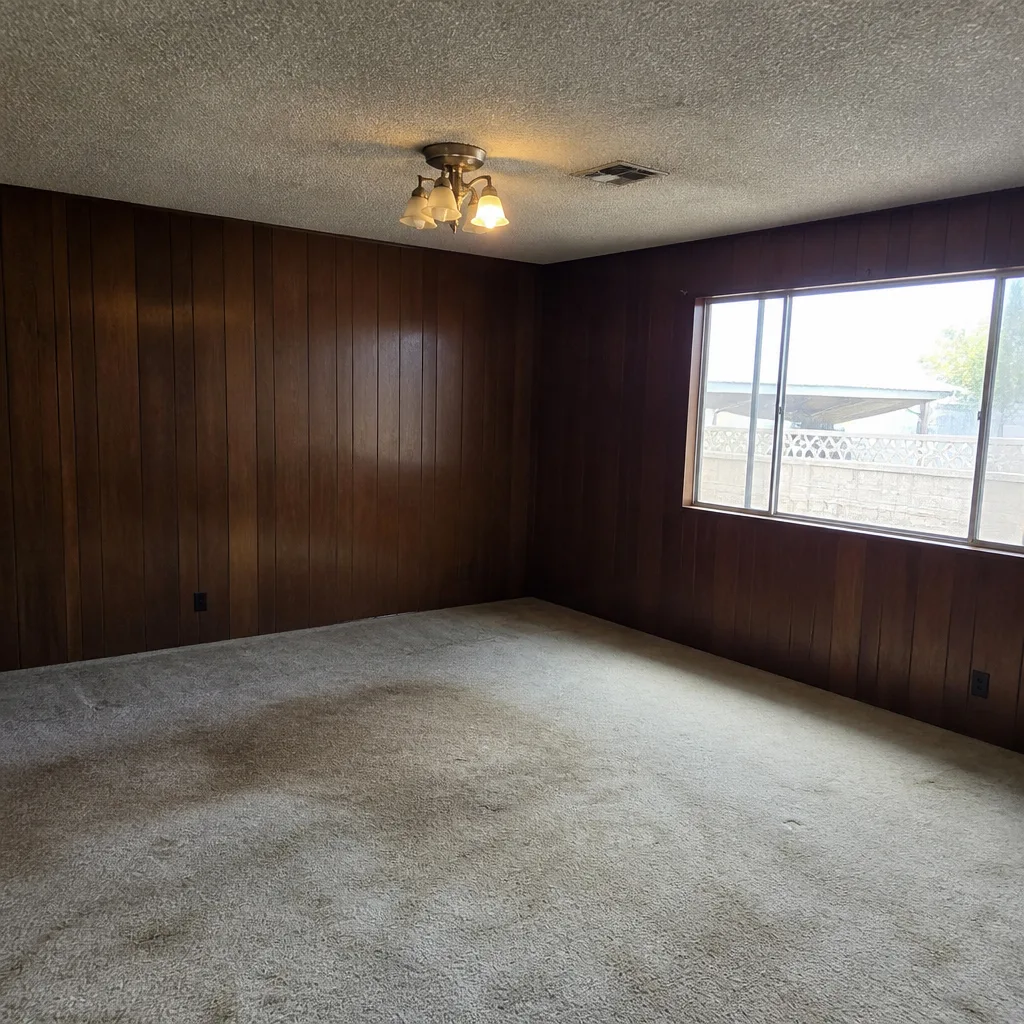 Before
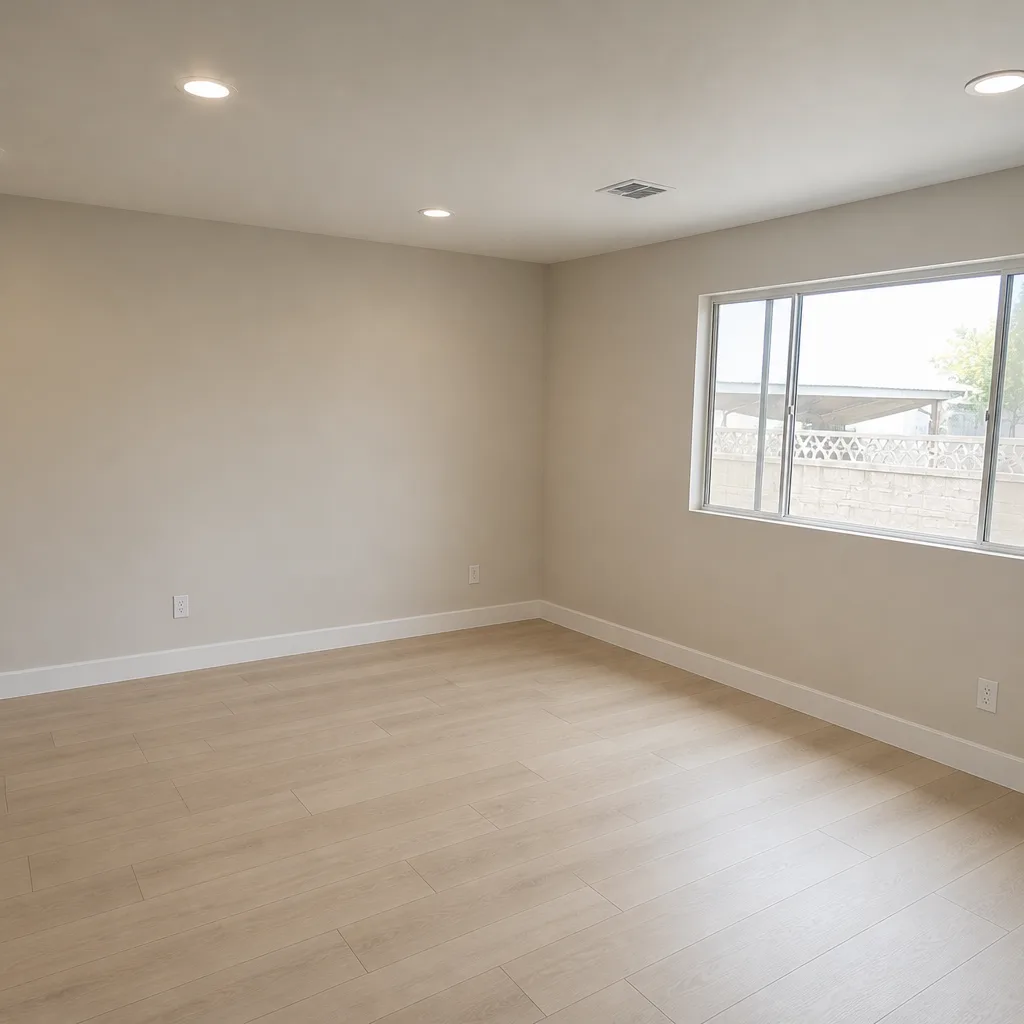 After
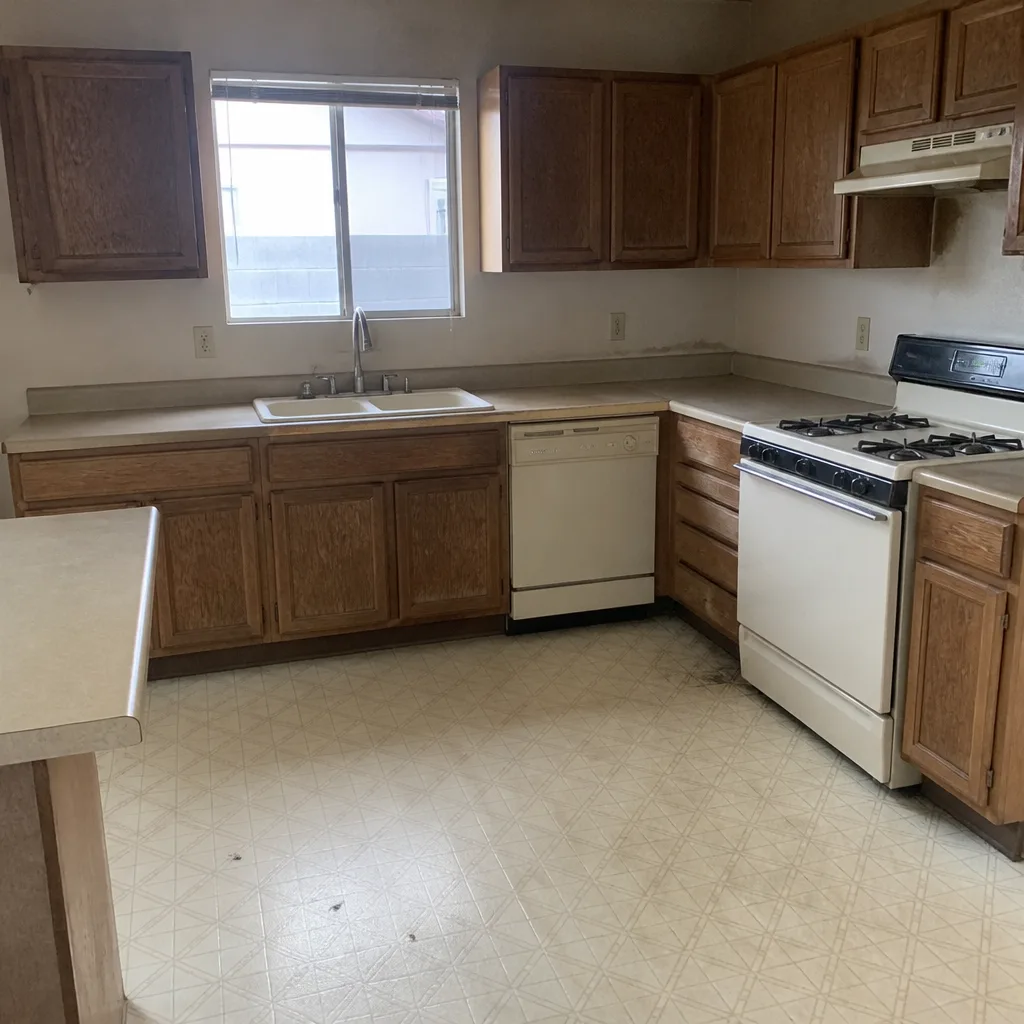 Before
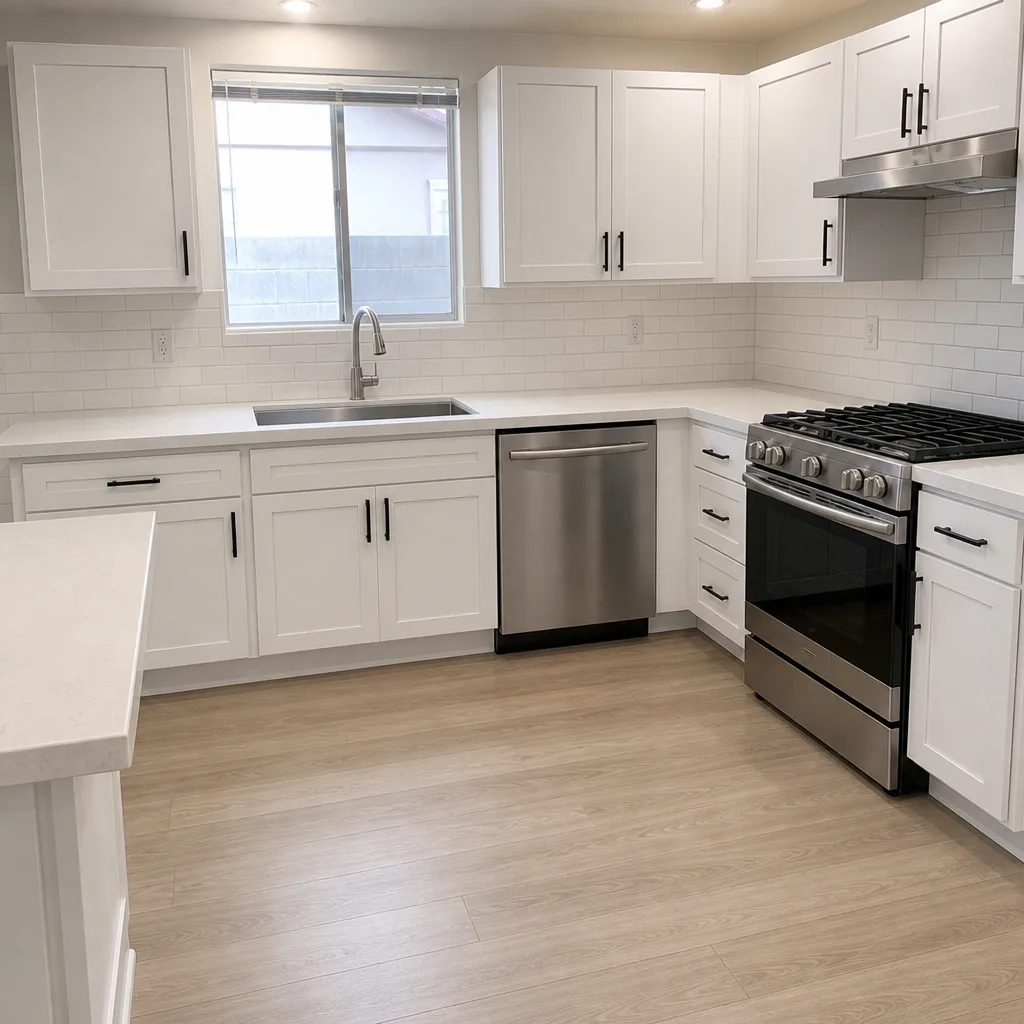 After
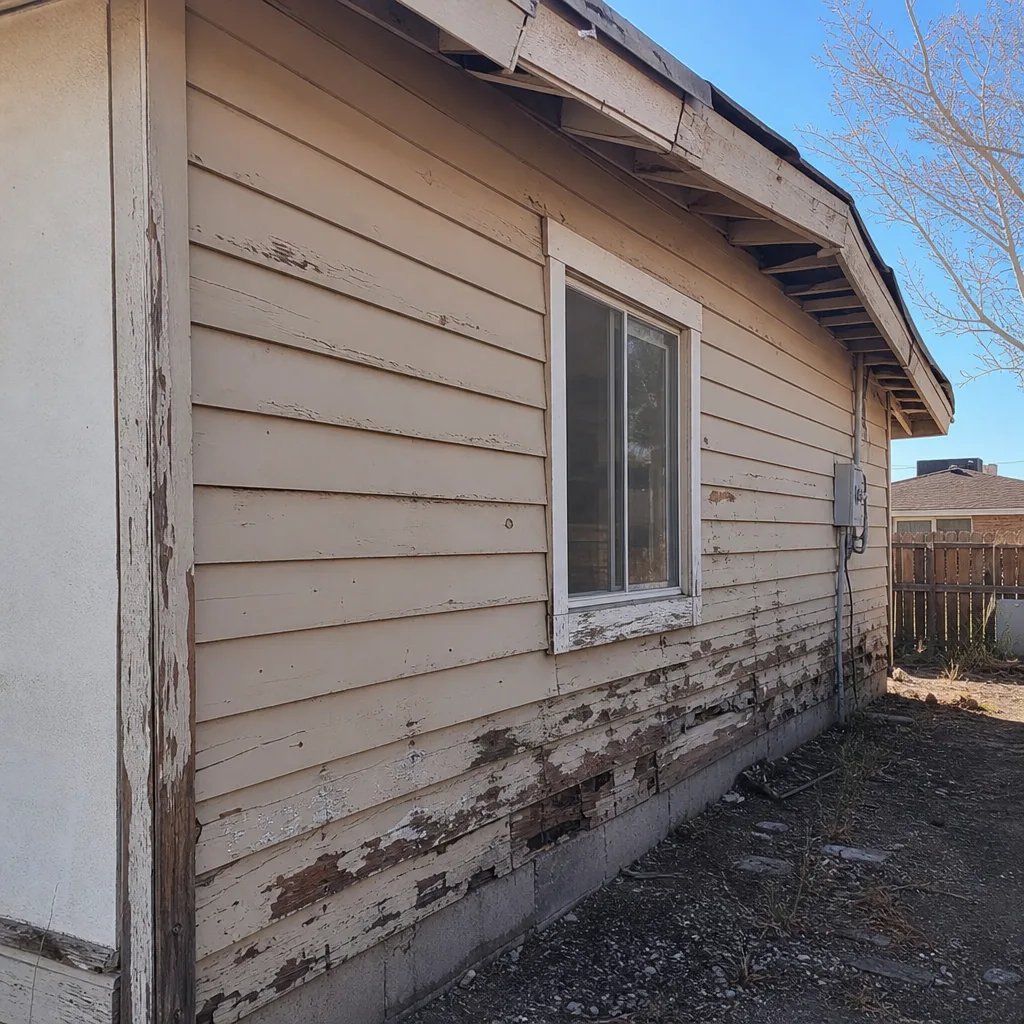 Before
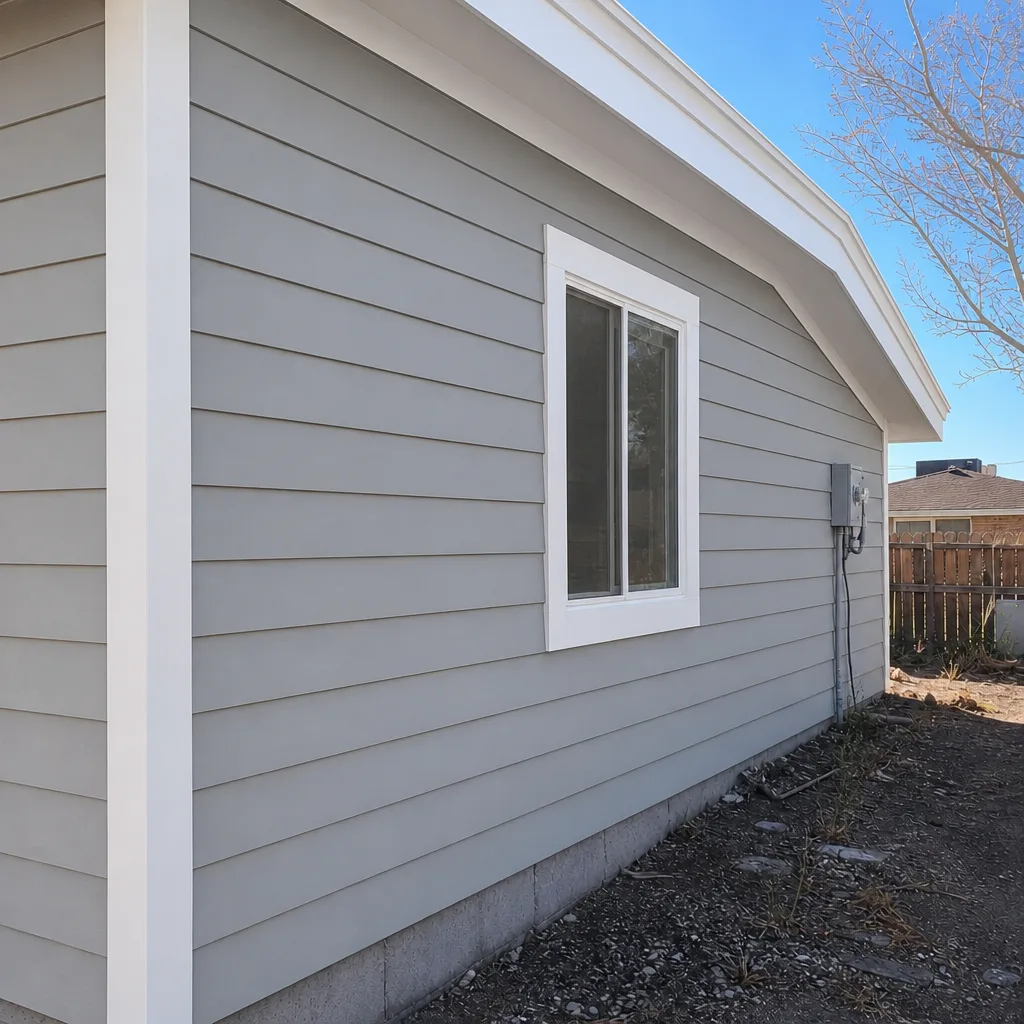 After
Frequently Asked Questions
A full professional inspection once a year is the right cadence for most North Las Vegas homes, with a second roof and HVAC check before monsoon season if you have a flat roof or an older system. The desert climate makes degradation continuous, not seasonal, so annual checks catch problems before they compound. For more detail on what a full-scope general contractor inspection includes in this market, see our Stonehall Construction home page.
A maintenance coat on a typical flat or low-slope roof in North Las Vegas runs roughly $400 to $800 for a single-story home, depending on access, roof condition, and the specific coating system. That’s a fraction of the $8,000 to $15,000 a full replacement costs, which is why recoating on schedule is the highest-return maintenance item on this list. Call (833) 772-4634 for an exact quote, estimates are free.
The signs of a foundation problem in North Las Vegas are sticking doors that only jam in certain seasons, cracks with vertical displacement where one side of the crack is higher than the other, and a visible gap opening between the soil and the stem wall. Hairline cracks alone are often benign in this climate, but movement over time is not. If you see any of the three signs above, have a licensed contractor evaluate the cause before it worsens.
A water heater in North Las Vegas lasts seven to nine years without maintenance, and twelve to fifteen years with regular flushing and anode rod replacement every three to four years. The hard, alkaline municipal water here attacks tanks faster than manufacturer averages, which is why the maintenance schedule matters more than the brand. A $40 anode rod is the cheapest insurance policy on your property.
Maintenance work like caulking, filter changes, and roof recoating does not require a permit. Repairs that involve structural changes, water heater replacement, or electrical work typically do. North Las Vegas building codes require permits for work that alters systems or structure, and a licensed general contractor will pull the permits and handle the inspections as part of the scope - see How to Hire a Construction Contractor in North Las Vegas: A Step-by-Step Guide for what to look for. We manage that process for every project we take on.
Yes. We’re a full-scope general contractor, which means one contract covers everything from roof coating and stucco repair to water heater replacement and window sealing. We don’t hand you off to a specialist mid-project, we manage the whole list from the first walkthrough to the final inspection. Call (833) 772-4634 to schedule a free estimate and we’ll work through your checklist together, or browse more guides & resources for additional home maintenance tips.
The Bottom Line
North Las Vegas homeowners who follow a generic, national maintenance checklist are maintaining their house for a climate they don’t live in. The checklist that actually matters here is built around five truths: UV destroys exterior seals faster at our elevation, alkaline water shortens the life of every fixture and tank it touches, caliche soil keeps slab foundations in constant slow motion, HVAC systems work a nine-month shift every year, and flat roofs from the 2000s construction boom are hitting replacement age right now. Check those five systems on the schedule outlined above and you’ll catch most failures while they’re still repairs. Skip the schedule and you inherit the replacements. The desert is patient. It doesn’t have to be. General contractor services are available for the parts of this list you don’t want to handle yourself. One contractor, every trade.
Written by the team at Stonehall Construction, serving North Las Vegas since 2013.