
Last updated November 1, 2026
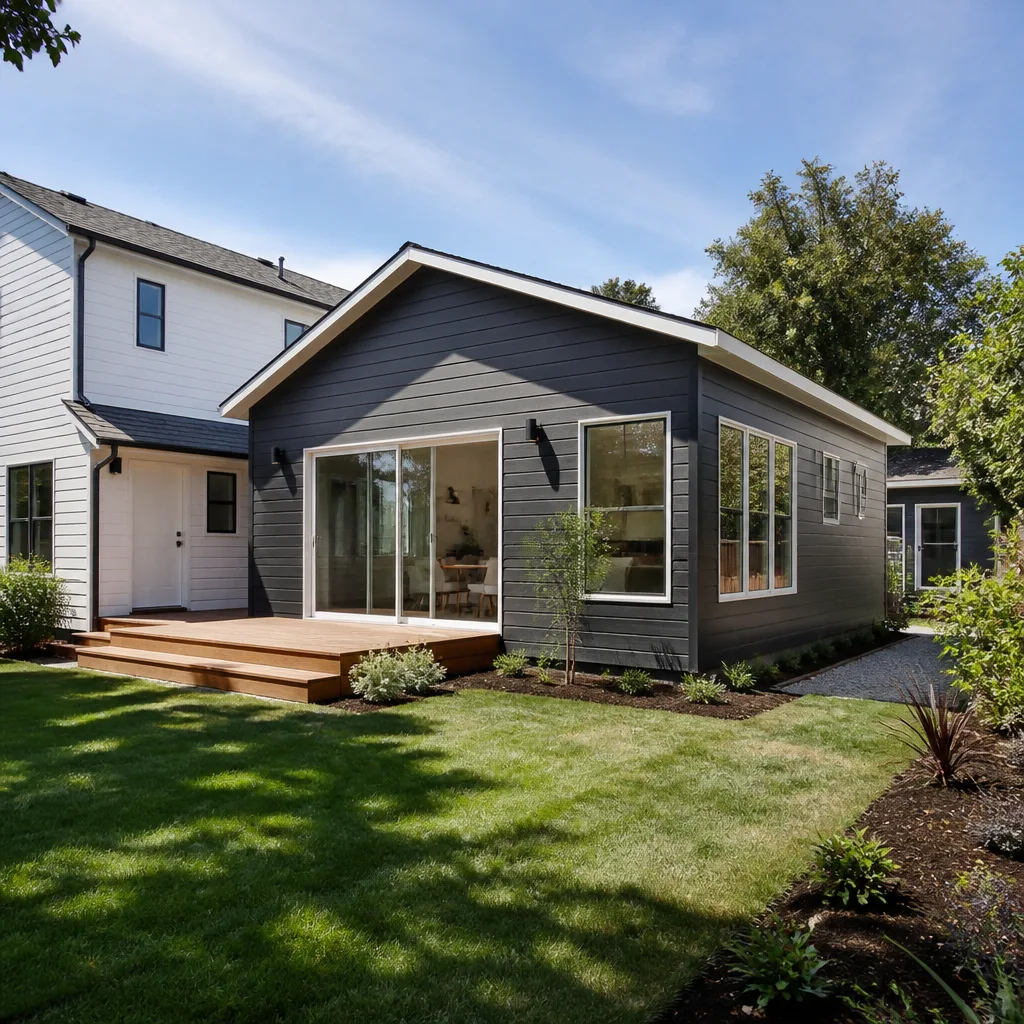 Home additions & ADU
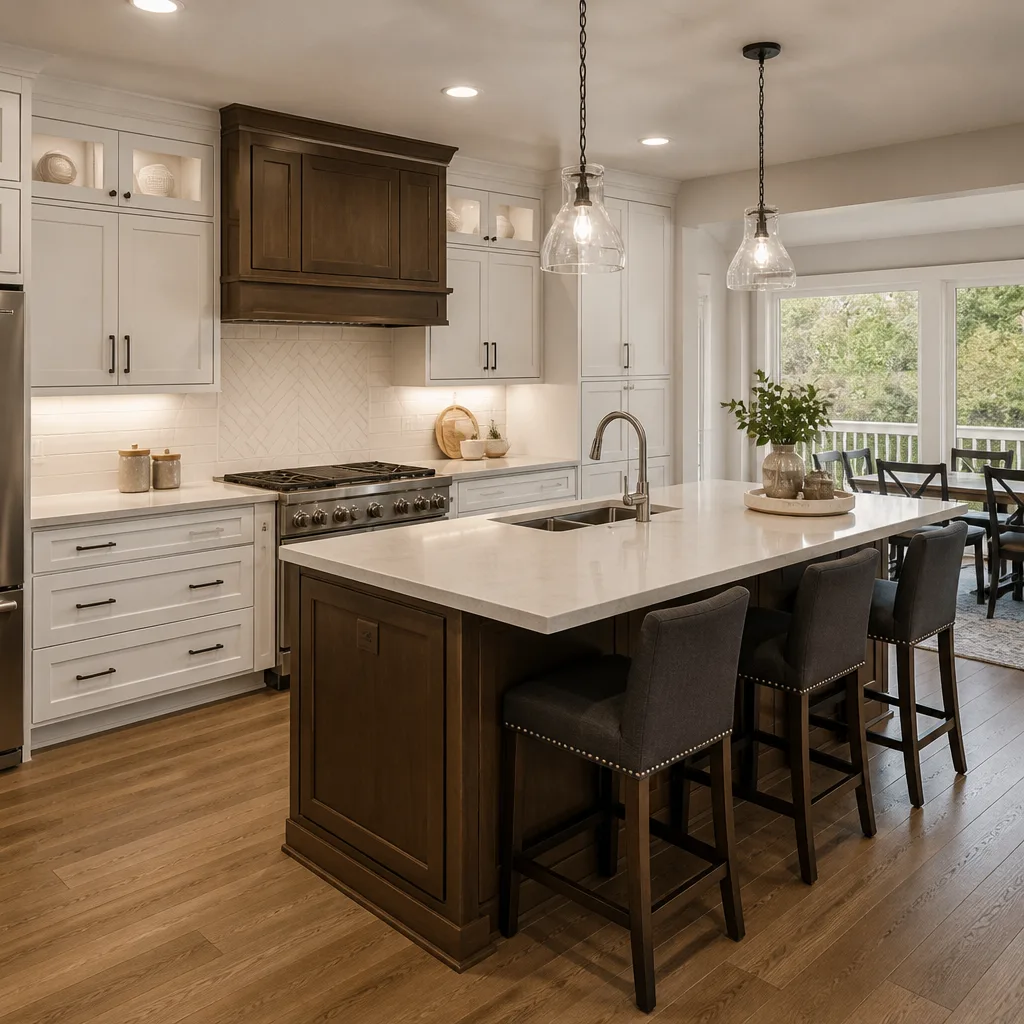 Kitchen remodeling
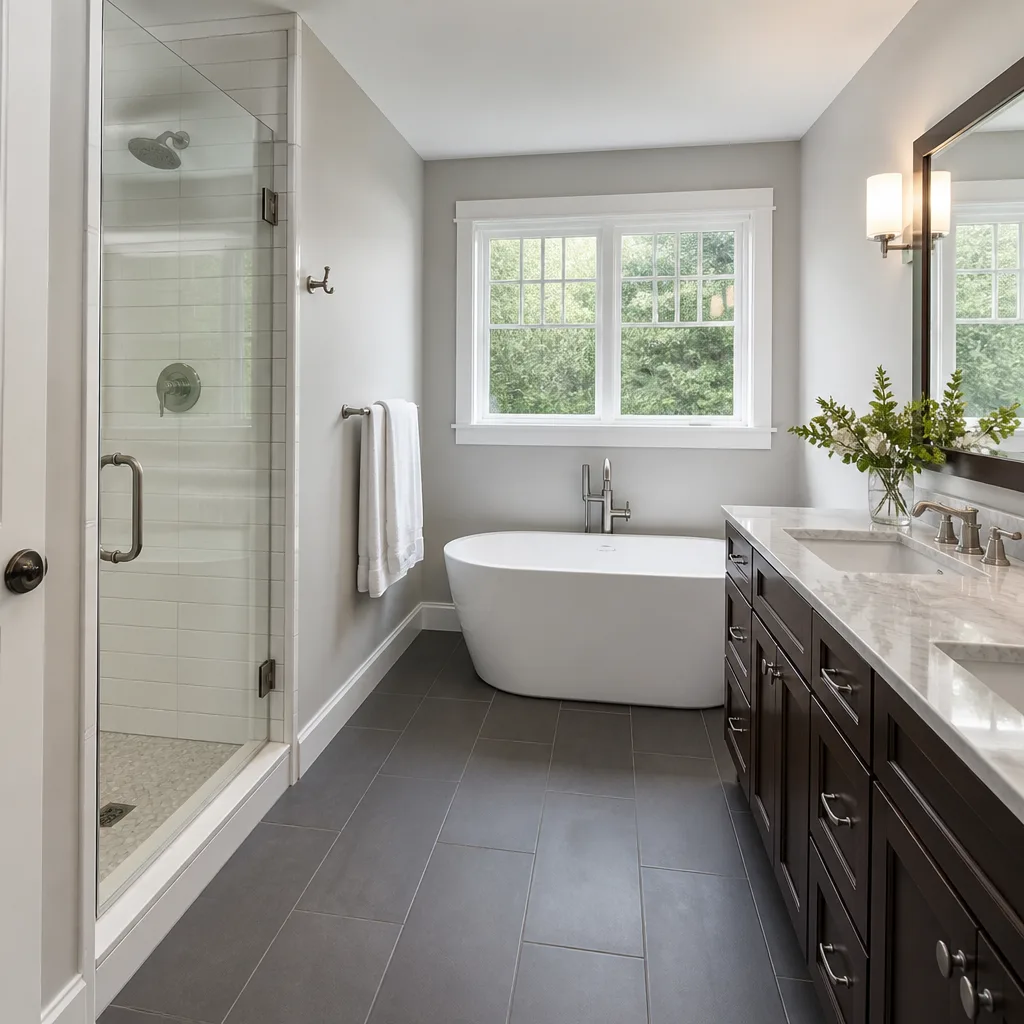 Bathroom remodeling
 Roofing
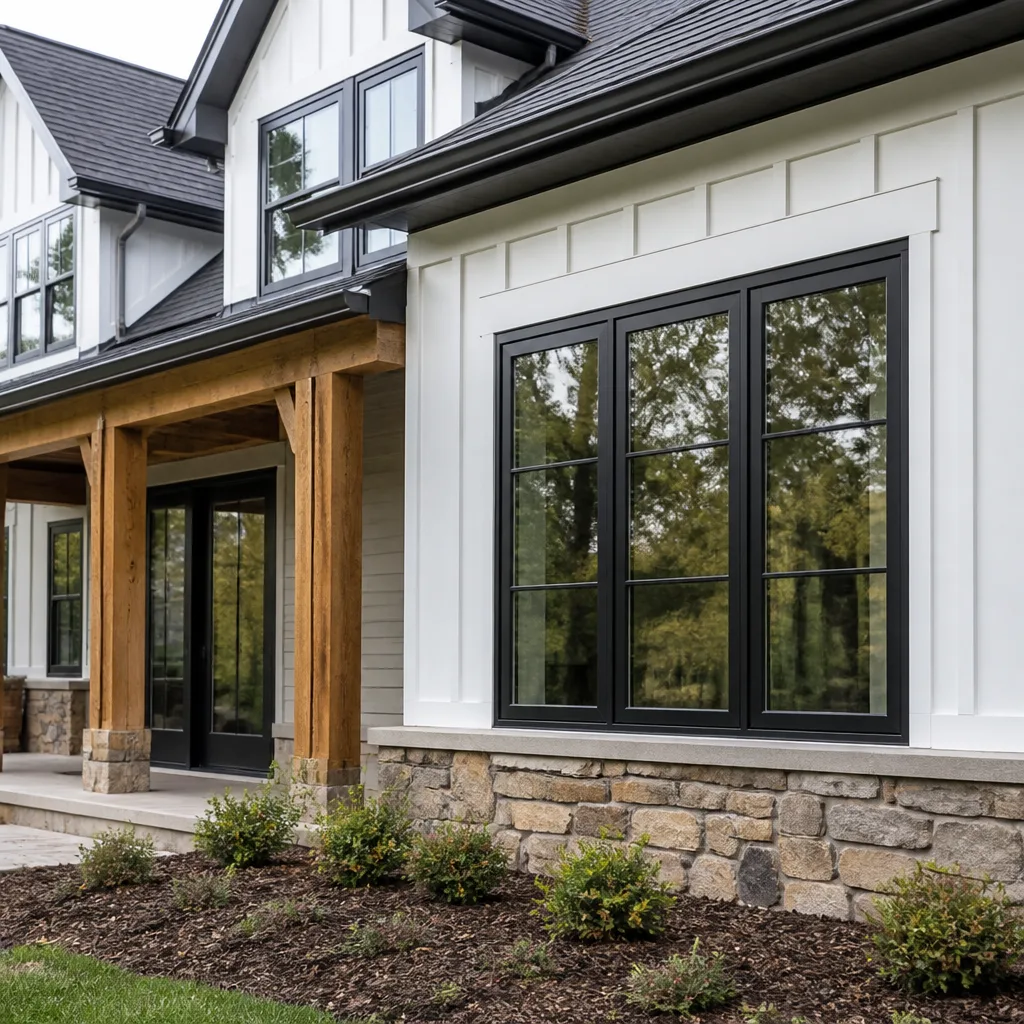 Windows & doors
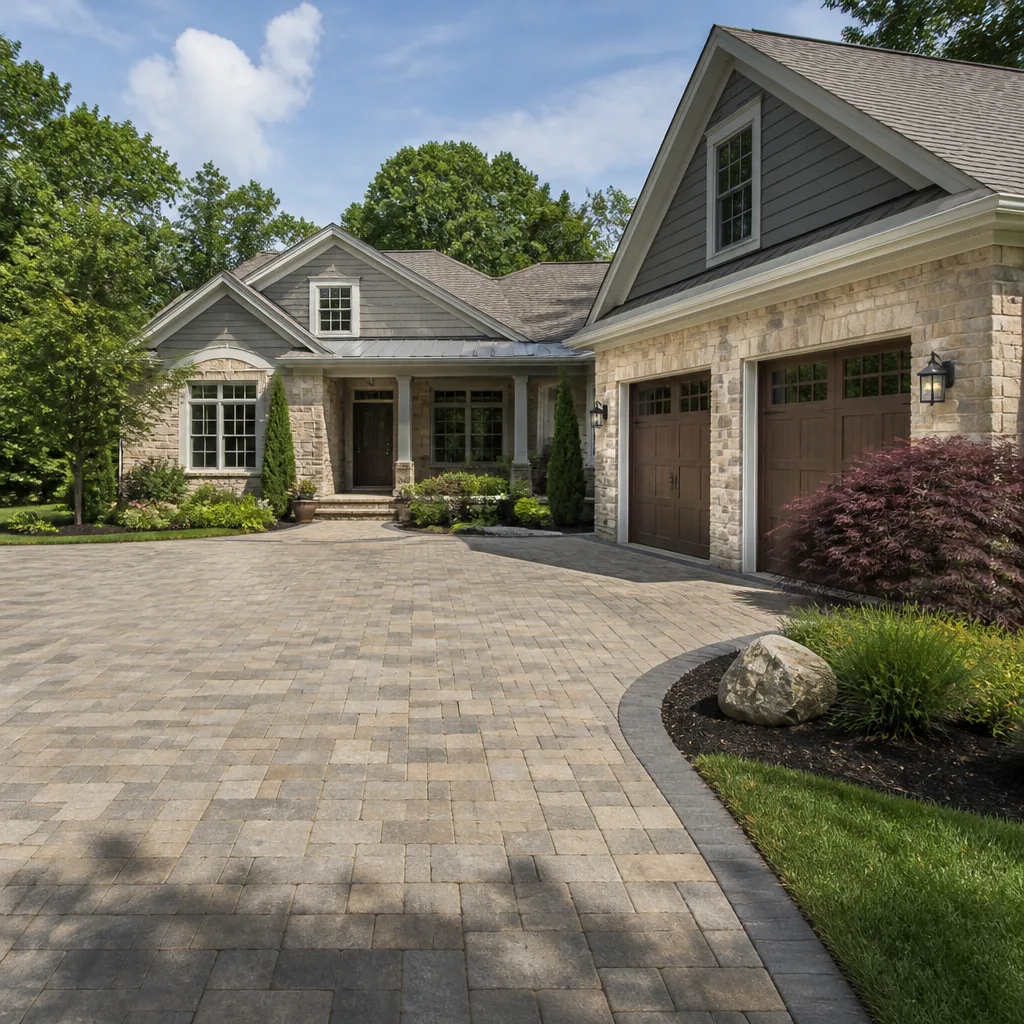 Driveway & pavers
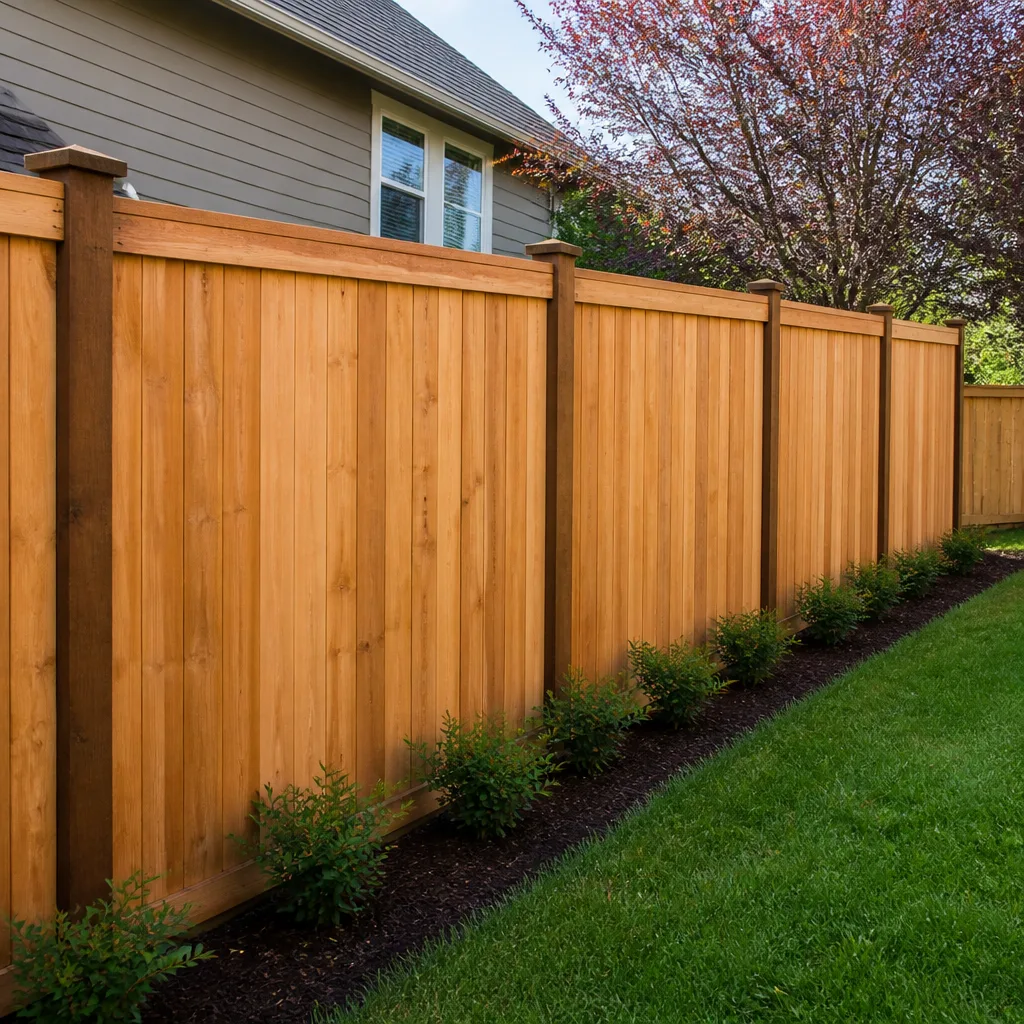 Fence
Free written scope consultation - allowances, timeline, and change-order rules on paper before a single trade is scheduled
Seasonal Construction Care for North Las Vegas: Year-Round Homeowner’s Guide
Caulking applied when surface temperatures exceed 95°F doesn’t cure correctly. Painting in July in North Las Vegas means repainting in two years. The season you pick for maintenance work matters as much as the work itself. What most national home-maintenance guides miss is that North Las Vegas doesn’t have four seasons in the traditional sense. It has a brutal summer, a brief but freeze-capable winter, and two shoulder periods that are the only windows where exterior work is reliably safe for materials and crews. This guide to construction in North Las Vegas is built around those actual windows, because a calendar designed for the Midwest will fail you here every time.
Quick Answer
Seasonal home maintenance in North Las Vegas means front-loading exterior work into the March – May and October – November windows, moving interior projects into the summer months, and treating the July – September monsoon microbursts as a structural stress test on your roof, drainage, and foundation. The single highest-return habit is an annual walkthrough scheduled for late March or late October with a contractor who knows North Las Vegas conditions, as covered in our complete general contractor guide for North Las Vegas homeowners, not a generic seasonal checklist.
Styles & brands we work with
- Kitchen remodeling
- Bathroom remodeling
- Home additions & ADU
- Roofing
- Windows & doors
- Driveway & pavers
- Fence
Table of Contents
- The Real Climate Calendar in North Las Vegas
- The Spring Window (March – May): Your Primary Exterior Opportunity
- Summer (June – August): Run Interior Projects, Protect Exterior Systems
- Monsoon Season (July – September): What Microbursts Actually Do to Your Home
- The Fall Window (October – November): The Second Exterior Opportunity
- Winter (December – February): Freeze Preparedness for a City That Rarely Freezes
- The Annual Contractor Walkthrough: What to Schedule and When
- Common Mistakes to Avoid
- When to Call a Professional
- Frequently Asked Questions
The Real Climate Calendar in North Las Vegas
North Las Vegas sits at roughly 2,200 feet of elevation in the Mojave Desert. That means triple-digit summer days are the norm from June through early September, with surface temperatures on stucco, concrete, and asphalt regularly hitting 140°F or higher. It also means winter nights can dip below freezing, particularly in December and January, when a hard freeze can burst an uninsulated pipe or crack a poorly mixed concrete patch. What most homeowners don’t account for is that North Las Vegas gets more annual rainfall than parts of the Pacific Northwest in a concentrated, violent form. The city averages around 4 to 5 inches of rain per year, but nearly all of it arrives in short, high-intensity bursts between July and September. Those microbursts move water in ways steady drizzle never does.
For homeowners, the practical takeaway is this: you have two reliable windows for exterior work. The first runs from early March through late May, before the heat becomes material-hostile. The second runs from early October through late November, after the monsoon season ends and before nighttime temperatures consistently drop below 50°F, which affects paint adhesion, caulk curing, and concrete setting. Everything outside those windows is either a risk to material performance or a risk to crew safety.
The Spring Window (March – May): Your Primary Exterior Opportunity
In North Las Vegas, March through May is the most valuable construction season of the year. Daytime highs typically sit between 70°F and 90°F, nighttime lows stay above 50°F, and the ground has dried out enough from winter moisture to accept concrete, pavers, and post holes without shifting. If you’re planning any exterior renovation, a home renovation project scheduled for this window is positioned for success before the first shovel hits dirt.
Here’s what should be front-loaded into the spring window, in order of priority:
- Roof inspection and repair. The monsoon season is coming. Loose flashing, cracked seals around vents, or a single missing shingle turns from a $400 repair into a $4,000 ceiling and insulation job after the first July microburst. Walk the roof or hire someone who will.
- Stucco and exterior paint. Paint manufacturers specify minimum and maximum surface temperatures for application. Most exterior paints require surface temps between 50°F and 90°F for proper curing. In May, a north-facing wall at 2:00 PM might read 95°F. In July, every wall reads 130°F. Get painting done before Memorial Day.
- Caulking and sealant around windows and doors. Caulk fails silently. A bead that cracked over winter becomes a water pathway during monsoon season. The UV exposure in North Las Vegas is relentless, so use a high-quality polyurethane or hybrid sealant rated for desert climates.
- Hardscape installation and repair. Pavers, flagstone, and concrete all perform best when installed in moderate temperatures. Concrete poured in 100°F heat cures too fast, which leads to cracking and a weak surface. Spring is the time for patios, walkways, and retaining walls.
- Window and door replacement. If your windows are single-pane or aluminum-framed from the 1980s, you’re paying for it every month from May through September. Impact-rated systems from manufacturers like PGT and CGI are built for the desert sun and the wind loads that come with monsoon season. Upgrading in spring means you enjoy the efficiency benefit through the hottest months.
Summer (June – August): Run Interior Projects, Protect Exterior Systems
When daytime highs cross 100°F in North Las Vegas, the exterior of your home becomes hostile territory for most construction materials. Adhesives fail. Acrylics cure incorrectly. Crews working on a roof in July are facing surface temperatures over 150°F, which is a genuine safety hazard. The smart play in summer is to shift your renovation energy inside, where climate-controlled spaces allow materials to perform as designed.
Here’s the sequencing that works for a North Las Vegas summer:
- Kitchen and bath remodels. Tile, grout, cabinetry, and countertop adhesives all want stable, moderate indoor temperatures. A home remodeling project in North Las Vegas run June through August avoids the spring and fall rush, which means shorter lead times on materials and more contractor availability.
- Interior painting and drywall. Interior paint wants temperatures between 60°F and 80°F. With AC running, your house sits in that range all summer. Drywall mud also dries predictably in climate-controlled air, reducing cracking and sanding issues.
- Flooring. Hardwood, engineered wood, and luxury vinyl all need time to acclimate to indoor conditions. Summer AC creates exactly the stable environment flooring manufacturers want, and the low indoor humidity mimics the conditions these floors will live in year-round.
- ADU and prefab planning. If you’re considering an ADU or prefab addition, summer is the right time for design, permitting, and approvals. The actual site work gets scheduled for October, when pouring a foundation in North Las Vegas won’t fight the heat. Stonehall Construction works with prefab partners including Abodu, Dvele, and Boxabl, and the planning process takes real lead time.
Meanwhile, summer is also when you should be watching your exterior systems closely. Walk the perimeter once a week. Look for cracks in stucco that are widening, caulk that’s pulling away from window frames, and any sign that irrigation water is pooling against the foundation. The heat alone doesn’t damage your home. The heat combined with water intrusion is what causes problems.
Monsoon Season (July – September): What Microbursts Actually Do to Your Home
North Las Vegas monsoon season is not a rainy season. It’s a wind and flash-flooding season that happens to include rain. The distinction matters because the damage mechanism is different. In a steady-rainfall climate, water damage comes from prolonged exposure: saturated soil, slow leaks, standing water. In North Las Vegas, damage comes from short-duration, high-volume water moving fast and sideways, driven by wind gusts that regularly exceed 40 mph.
Here’s what actually stress-tests your home during a North Las Vegas microburst:
- Roofing. Wind-driven rain finds every failed seal, every loose flashing, every cracked boot around a vent pipe. A roof that’s fine in dry conditions reveals itself in the first five minutes of a real monsoon storm.
- Drainage and grading. The soil in North Las Vegas is largely caliche, a hardpan that absorbs water slowly. A half-inch of rain in twenty minutes doesn’t soak in. It runs. If your lot grading directs that water toward your foundation instead of away from it, you’re going to find out during a storm.
- Windows and doors. The wind pressure during a microburst flexes window frames and door jambs. Weak seals open up. Weatherstripping that was marginal in calm conditions gets overwhelmed.
- Fencing. High wind events knock over poorly set fence posts every monsoon season in North Las Vegas. If a post was set shallow or the concrete footer was poured too thin, a 50 mph gust will find it.
The preparation window for monsoon season is the spring window we already covered. By the time July arrives, the work that matters is already done or not done. That said, there are in-season steps worth taking. After any significant storm, do a visual check of your roofline from the street. Look for lifted shingles or tiles. Check your window sills inside for water. And run your hands along the ceiling near exterior walls, feeling for dampness. Early detection in July saves a full tear-out in September.
The Fall Window (October – November): The Second Exterior Opportunity
October and November in North Las Vegas offer the second reliable construction season of the year. Daytime highs have dropped back into the 70s and 80s, nighttime lows are still above 45°F for most of the window, and the monsoon season is over. This is the window for exterior work that didn’t fit into spring, and it’s also the right time for projects you want completed before the winter months.
Here’s what belongs in the fall window:
- Post-monsoon roof inspection and repair. Even if you did spring maintenance, the monsoon season is a proving ground. Loose granules, lifted flashing, and clogged scuppers need to be addressed before winter. If the roof needs full replacement, a general contractor in North Las Vegas can usually schedule a full tear-off and re-roof in about two to three weeks during October, weather permitting.
- Foundation and drainage corrections. Fall is the time to fix grading, install or repair French drains, and address any foundation concerns that showed themselves during summer storms. The ground is dry and workable, but not yet cold.
- Window and door replacement. If spring wasn’t possible, fall is your second shot. Impact-rated window systems from PGT and CWS perform year-round, and a fall install means your home is sealed tight before the winter temperature swings.
- Exterior insulation and stucco repair. Any cracks that appeared over summer should be patched and sealed in the fall. Unsealed stucco cracks absorb winter moisture, and the freeze-thaw cycle makes them bigger.
- Fencing and hardscape. Post-monsoon is the time to reset leaning fence posts, replace broken pavers, and address any erosion that occurred during the summer storms.
The fall window closes when nighttime temperatures consistently drop below 45°F, which in North Las Vegas typically happens around mid-to-late November. After that, exterior paint, caulk, and concrete work become unreliable.
Winter (December – February): Freeze Preparedness for a City That Rarely Freezes
North Las Vegas doesn’t get a real winter. What it gets is a series of cold snaps, usually lasting three to five days, where overnight lows drop into the 20s or high teens. These freezes are rare enough that homeowners are unprepared for them and damaging enough that the unprepared pay for it. A pipe that freezes and bursts in a North Las Vegas exterior wall does the same damage as one in Minneapolis. The difference is that in Minneapolis, the homeowner knows where the shutoff valve is.
Here’s the winter preparation checklist that matters in North Las Vegas:
- Insulate exposed pipes. Any pipe running through an uninsulated exterior wall, an unheated garage, or under a raised foundation is at risk. Foam pipe insulation is cheap. A burst pipe is not.
- Disconnect and drain hoses. A hose left connected to a spigot during a freeze can freeze the water back into the wall, cracking the pipe inside the house. Disconnect hoses before the first cold snap, not after.
- Know your shutoff valve. If a pipe does burst, the difference between minor damage and a full remediation is how fast you can cut the water. Find your main shutoff valve now. Test it. Make sure everyone in the house knows where it is.
- Check caulking and weatherstripping. Winter is not the time to apply new caulk in North Las Vegas. Cold temperatures prevent proper curing. But winter is the right time to identify what needs attention in spring. A drafty window frame in January becomes a March repair item.
- Monitor the roof after any rare snowfall. Snow in North Las Vegas is uncommon but not unheard of. If snow accumulates, watch for ice damming at the roofline, which can force water under shingles and into the attic.
Winter is also the right time for planning and choosing the right construction brand in North Las Vegas. The spring construction window fills up fast. Contractors who are good get booked by February for March and April starts. If you want exterior work done in the spring window, you should be signing a contract by late January or early February at the latest.
The Annual Contractor Walkthrough: What to Schedule and When
The highest-value maintenance habit for a North Las Vegas homeowner is an annual walkthrough with a licensed general contractor. Not a handyman. Not a home inspector you found online. A contractor who understands how North Las Vegas conditions affect building systems and who can prioritize issues based on the actual construction calendar, not a generic seasonal checklist.
Here’s how to schedule it:
- Schedule the walkthrough for late March or late October. These are the shoulder periods where you can still act on what the walkthrough finds. A March walkthrough feeds the spring construction window. An October walkthrough feeds the fall window and prep for winter.
- Expect to spend 45 to 90 minutes. A thorough walkthrough covers the roof, exterior walls, windows and doors, foundation, drainage, the attic, and the mechanical systems. Anything shorter is a drive-by, not an assessment.
- Ask for a written priority list. The walkthrough should produce a document that ranks issues by urgency and breaks them into categories: monsoon-season risks, freeze-season risks, cosmetic, and long-term replacement planning. This becomes your maintenance roadmap for the year.
- Get rough cost ranges while you’re there. A good contractor can give you ballpark numbers on the spot for common items like stucco repair, re-roofing, window replacement, and drainage correction. You don’t need a formal quote yet, but you need enough information to budget.
- Schedule the work into the right window. Use the walkthrough output to book spring work by March, fall work by October, and interior work for the summer months. The calendar drives everything.
In our experience running walkthroughs across North Las Vegas neighborhoods, the most common findings are failed caulking, clogged drainage, roof issues that predate the last monsoon season, and fences that are one good wind event away from falling. These are all fixable, and they’re all cheaper to fix before they fail than after.
Common Mistakes to Avoid
- Painting the exterior in July. We covered this at the top, but it bears repeating. Exterior paint applied when surface temperatures exceed 90°F will fail prematurely. You’ll see it in the form of bubbling, cracking, and fading within two years.
- Ignoring the monsoon season until it arrives. The time to prep your roof and drainage for monsoon season is March, April, and May. By the time the first storm hits in July, every roofing crew in North Las Vegas is booked out for weeks.
- Treating a North Las Vegas freeze like a non-event. Freezes are rare here, which means many homes were built with pipes in locations that would never pass code in a colder climate. The homes exist because freezes are rare. That doesn’t mean freezes don’t happen.
- Scheduling a full exterior renovation for August. It’s physically possible. It’s also a bad idea. Materials behave differently in 110°F heat, crews are at higher risk, and the quality of the finished work reflects the conditions it was installed in.
- Doing a roof inspection from the ground with binoculars. You can spot obvious problems this way. You will miss the subtle ones: loose flashing, cracked pipe boots, and granule loss that’s only visible up close. Walk the roof or pay someone who will.
- Waiting until November to book exterior work. The fall window closes when nighttime temperatures drop into the low 40s. If you’re calling a contractor in November, the work you want may not get done until March.
- Treating stucco cracks as cosmetic. In a dry climate, a hairline crack is a water pathway waiting for monsoon season. Once water gets behind stucco and freezes or sits against the framing, the repair cost multiplies fast.
When to Call a Professional
Some maintenance tasks genuinely are DIY: changing air filters, clearing scuppers after a storm, and disconnecting hoses in winter all fall in that category. But anything involving the roof, electrical systems, load-bearing structure, or your home’s watertight envelope deserves professional attention. If your roof is missing shingles after a storm, if you see water staining on interior ceilings, if stucco cracks run more than a quarter-inch wide, or if your fence is leaning more than five degrees out of plumb, those are signs the problem has moved past prevention. A Stonehall Construction team can assess the situation and give you an honest priority list, not a sales pitch. As a full-scope general contractor, we manage roofing, stucco, windows, doors, drainage, and fencing under a single contract, which means one point of accountability instead of five different phone numbers. Stonehall Construction offers free estimates in North Las Vegas, call (833) 772-4634.
Frequently Asked Questions
Most homeowners in North Las Vegas should budget $300 to $800 annually for preventive maintenance, which includes caulking, sealant, drainage clearing, and minor repairs caught during a walkthrough. Larger items like re-roofing, window replacement, or stucco remediation run into the thousands and should be planned as capital projects rather than annual maintenance. The most expensive maintenance bill is the one you never planned for, which is usually the result of skipping the preventive work. Call (833) 772-4634 for a free estimate on any maintenance item you’ve identified.
The best time to paint exterior surfaces in North Las Vegas is March through May or October through mid-November, when daytime temperatures stay between 65°F and 85°F and nighttime lows stay above 50°F. Painting outside these windows increases the risk of improper curing, which shortens the life of the paint job by several years.
North Las Vegas averages only 4 to 5 inches of rain per year, but that rain arrives in intense, short-duration bursts during monsoon season. A single July storm can drop half an inch in twenty minutes onto soil that absorbs water slowly, creating flash flooding and foundation issues. Drainage and grading matter just as much in North Las Vegas as they do in wetter climates.
Yes, and it’s more dangerous than in colder cities because North Las Vegas homes are not always built with freeze protection in mind. Pipes running through uninsulated exterior walls or unheated garages can freeze during the cold snaps that hit in December and January. The damage from a burst pipe is the same as it would be anywhere else.
Twice a year: once in March or April before monsoon season, and once in October or November after monsoon season ends. The pre-monsoon inspection identifies vulnerabilities before storms stress them. The post-monsoon inspection catches damage before winter. Annual inspections are not enough in a climate where wind-driven rain is the primary damage vector.
Yes, but it should be limited to projects that don’t depend on temperature-sensitive materials like paint, caulk, or poured concrete. Summer is ideal for interior work including kitchen and bath remodels, flooring, and drywall, all of which perform better in climate-controlled conditions. Urgent exterior repairs can always be done in summer when necessary, but planned exterior work should wait for the shoulder seasons.
Many general contractors in North Las Vegas offer walkthroughs as a complimentary service for potential clients or as a low-cost standalone assessment. At Stonehall Construction, we provide free estimates, which include a walkthrough and a written priority list for any work you’re considering. The walkthrough itself should never feel like a sales obligation, it should feel like a useful document you can act on whether or not you hire anyone.
The Bottom Line
North Las Vegas runs on its own clock. The homeowners who get it right treat March through May and October through November as their construction seasons, run interior work through the summer, and respect the monsoon season for the structural test it is. The ones who get it wrong paint in July, ignore their drainage until a microburst finds it, and discover their shutoff valve doesn’t work during a January freeze. An annual walkthrough with a contractor who understands the local calendar costs an hour of your time and gives you back a year of confidence. For more guides & resources, explore our blog. That’s the whole game.
Written by the team at Stonehall Construction, serving North Las Vegas since 2013.
See the difference
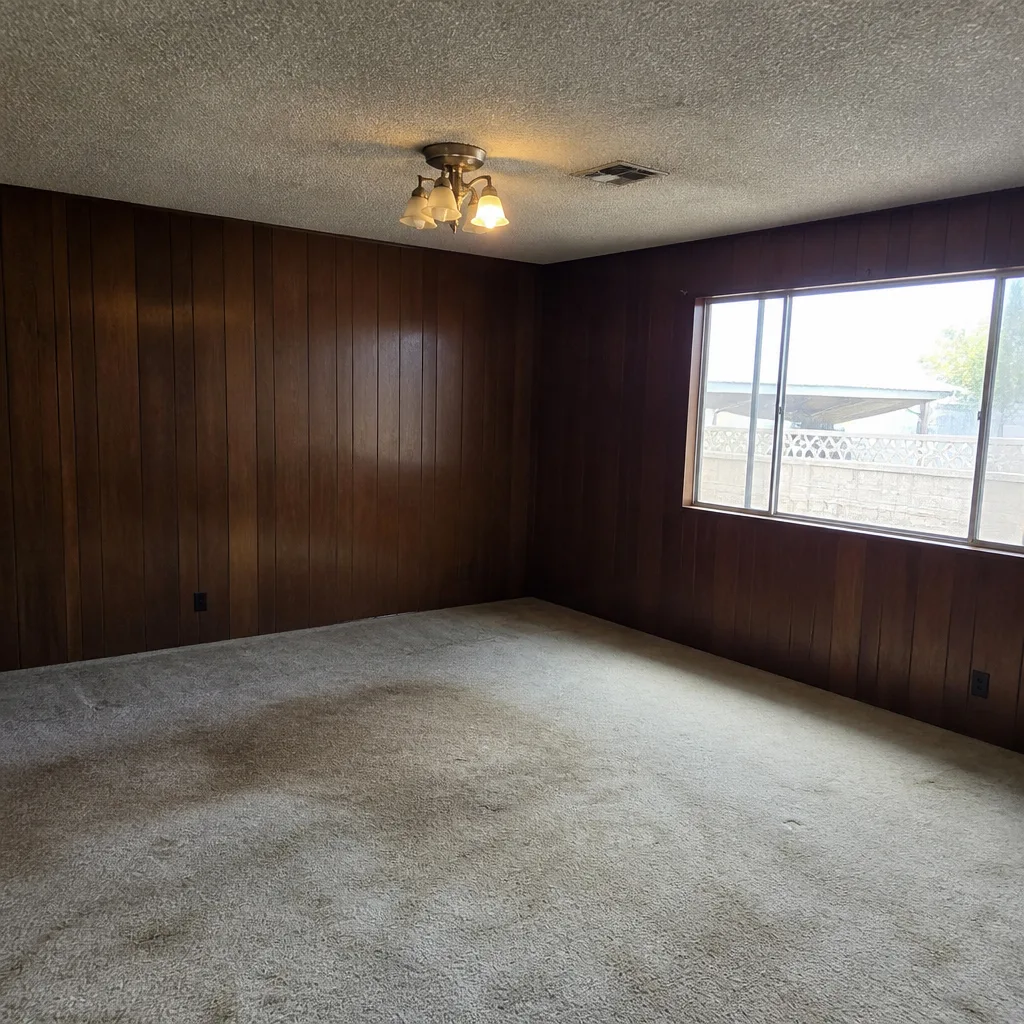 Before
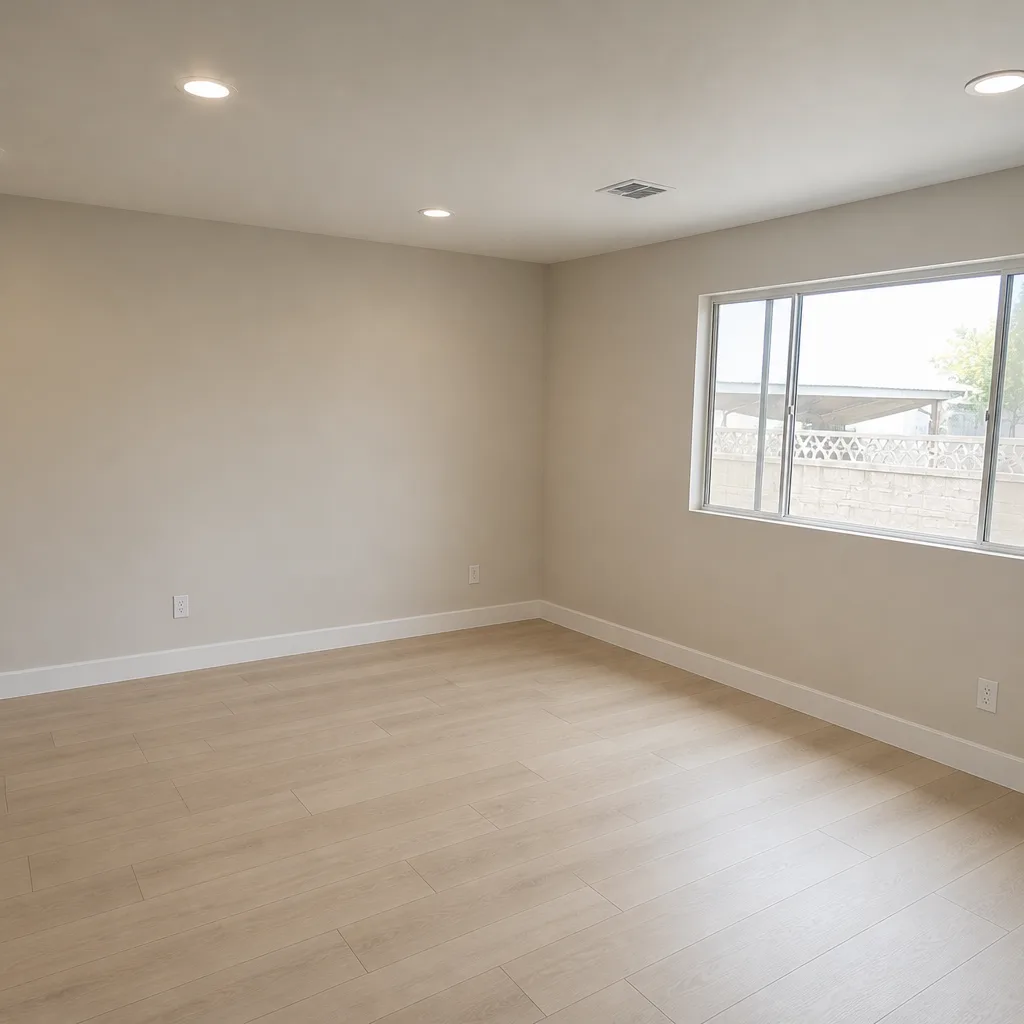 After
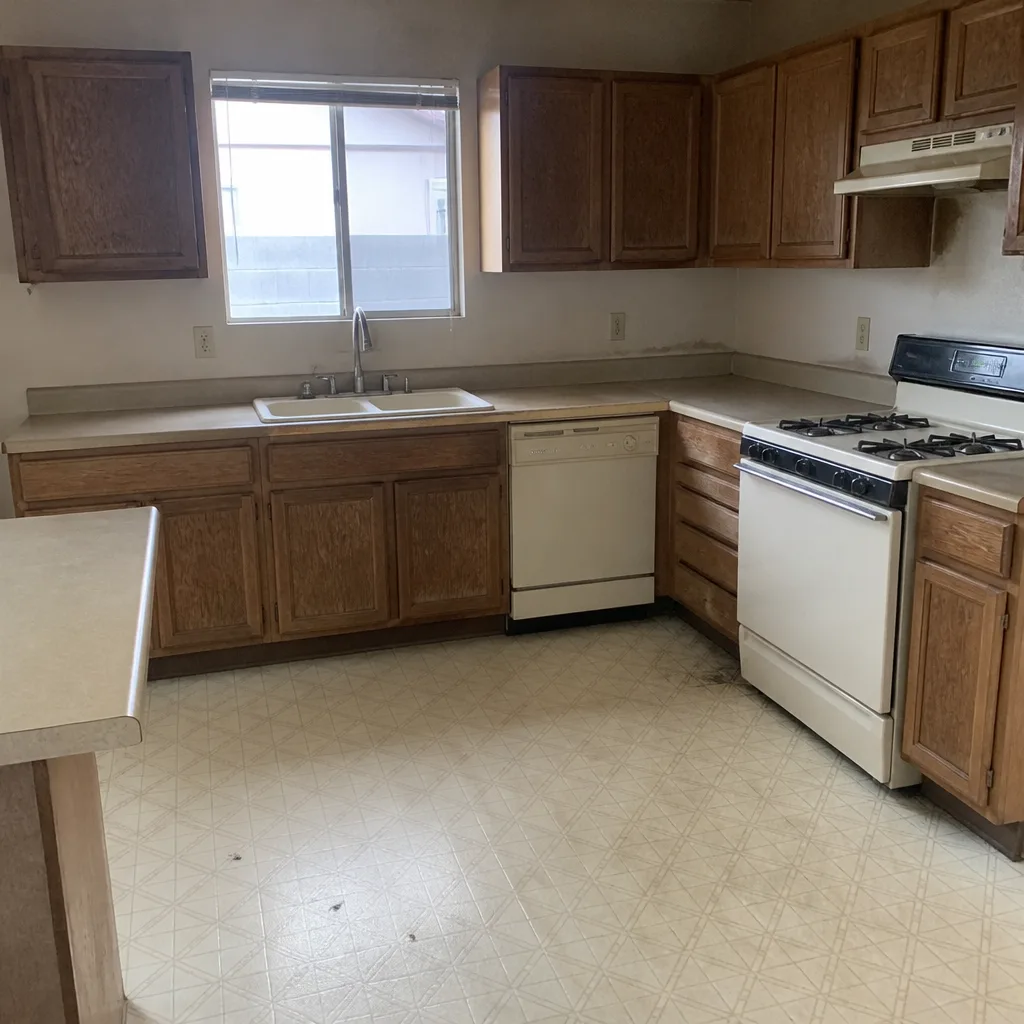 Before
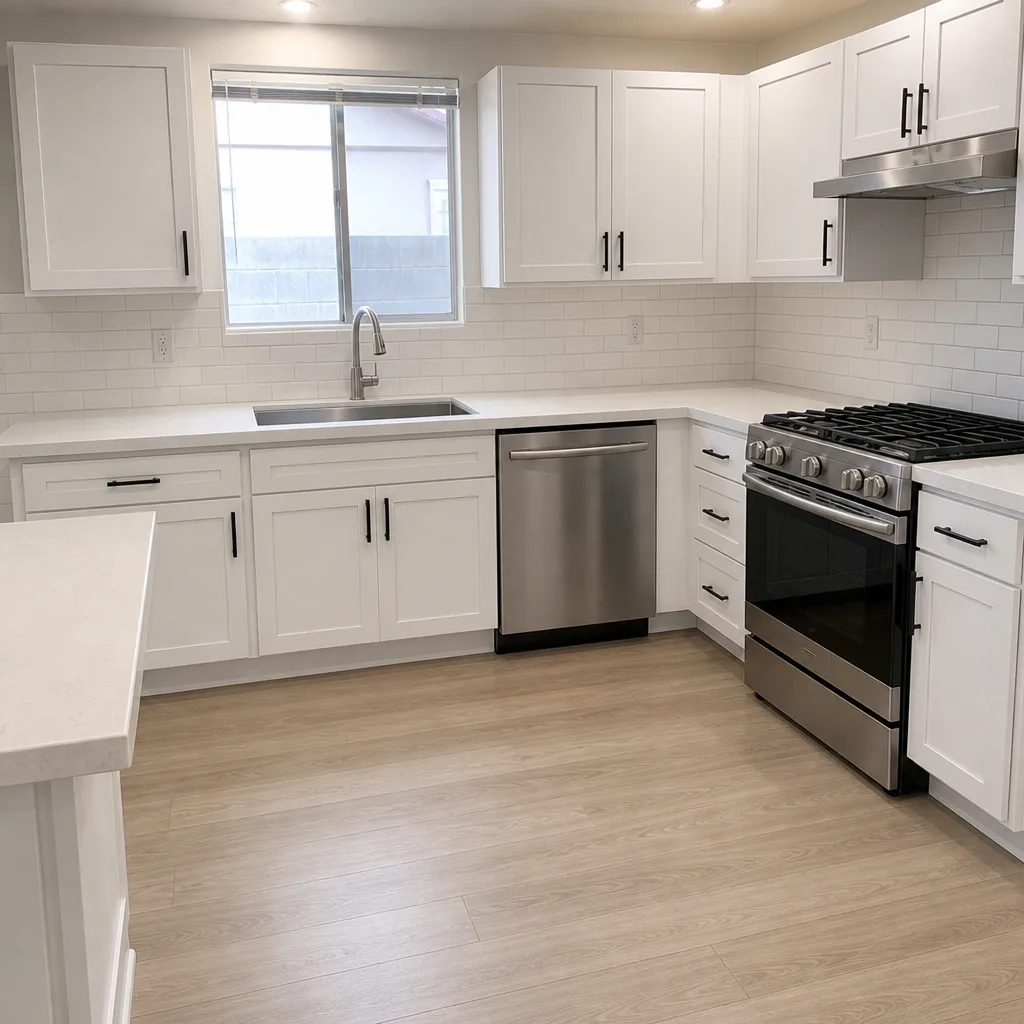 After
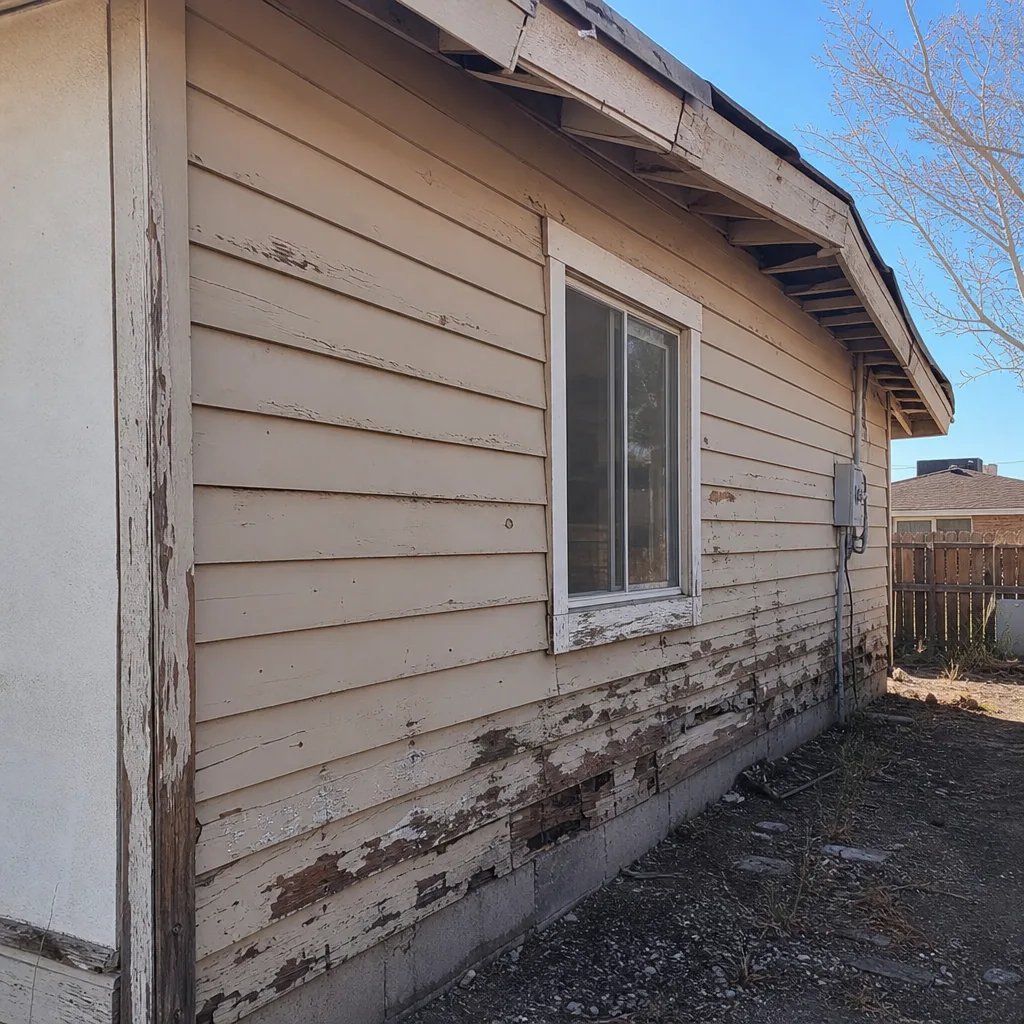 Before
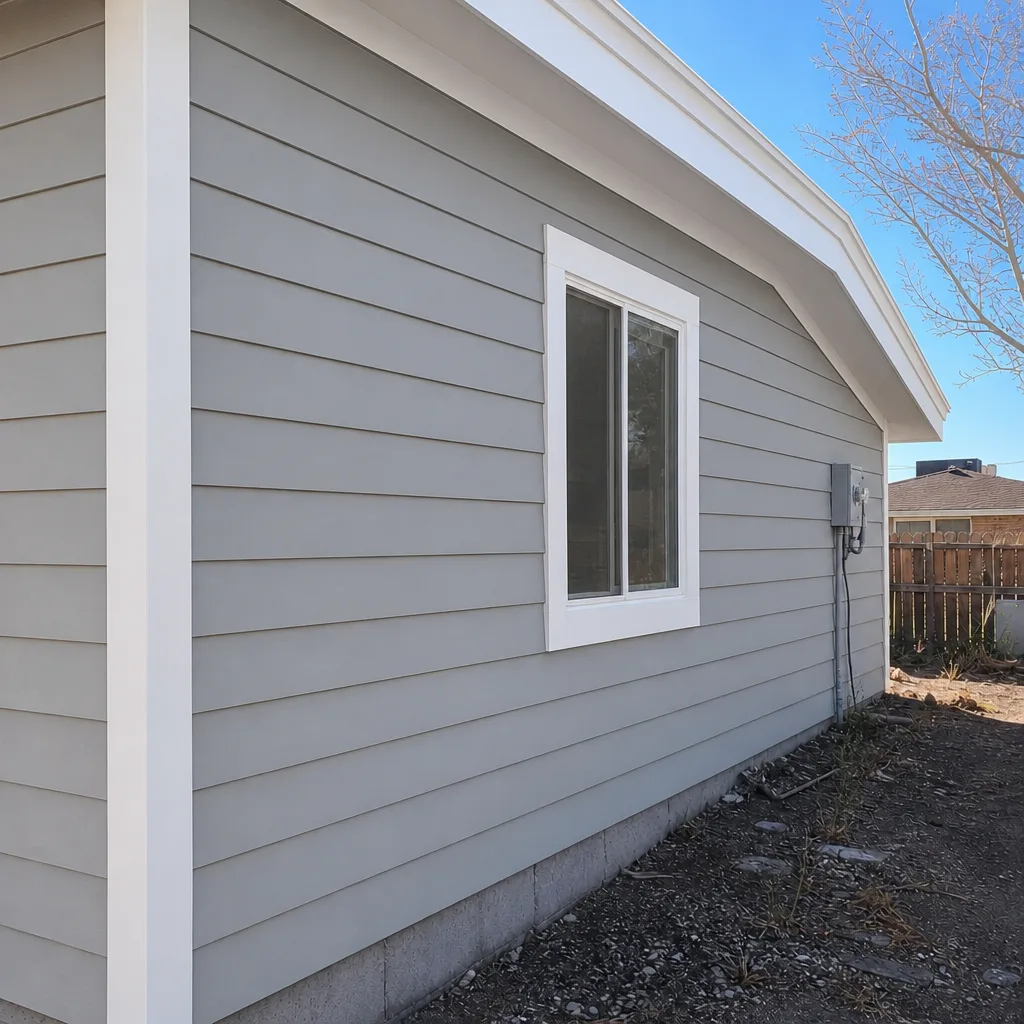 After