
Last updated November 1, 2026
 Home additions & ADU
 Kitchen remodeling
 Bathroom remodeling
 Roofing
 Windows & doors
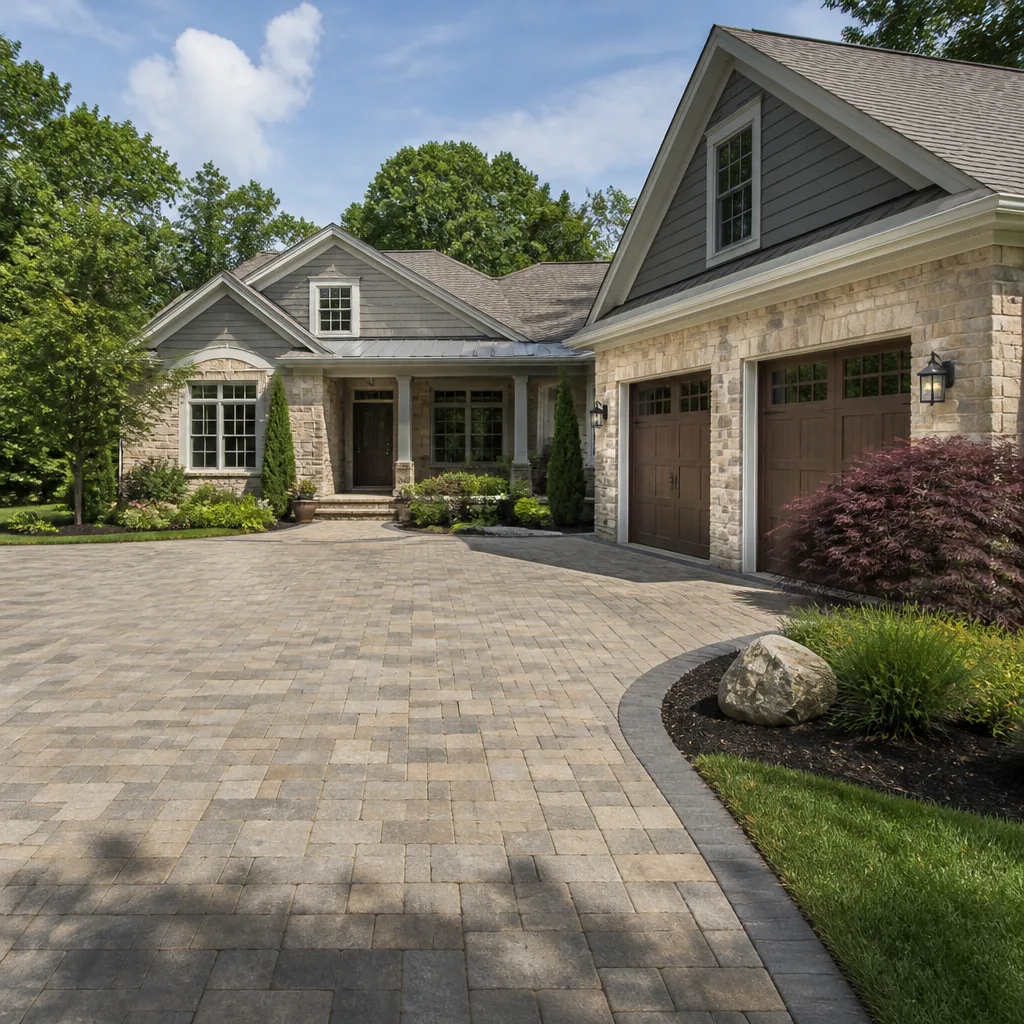 Driveway & pavers
 Fence
Free written scope consultation - allowances, timeline, and change-order rules on paper before a single trade is scheduled
Construction Warning Signs: A North Las Vegas Homeowner’s Reference Guide
The diagonal crack running from the upper corner of your bedroom window isn’t a cosmetic flaw you patch with caulk and forget about. On a North Las Vegas lot underlain by caliche, it’s frequently the first visible signal of differential foundation settlement, and it has a narrow window before it becomes a structural conversation that costs real money. This guide explains what the warning signs on your walls, floors, ceilings, and roofline actually mean in a desert-built home, why a stucco crack here behaves differently than the same crack in Phoenix, and which signals you can safely monitor versus which ones warrant a call to a licensed general contractor this month. For DIY vs Professional Construction: The North Las Vegas Homeowner’s Decision Guide, see our companion post.
Quick Answer
The construction warning signs that matter most in North Las Vegas are diagonal cracks at window and door corners, stucco cracking that follows a stair-step pattern across block walls, doors that suddenly stick or won’t latch, efflorescence blooming on exterior block, and visible deflection in rooflines or ceiling drywall. In this specific climate and soil environment, these symptoms usually point to one of four root causes: differential settlement on caliche, thermal expansion stress, moisture intrusion that behaves differently than in humid regions, or construction shortcuts from the rapid 1990s and 2000s building boom. Each has a distinct repair path, and mistaking one for another is how small fixes become five-figure structural projects.
Styles & brands we work with
- Kitchen remodeling
- Bathroom remodeling
- Home additions & ADU
- Roofing
- Windows & doors
- Driveway & pavers
- Fence
Table of Contents
- How to Read Stucco Cracking Patterns in North Las Vegas
- Efflorescence on Block Walls: What Desert Moisture Actually Means
- Attic and HVAC Warning Signs from the 1990s – 2000s Building Boom
- Concrete Slab Behavior: Normal Settling vs. Structural Movement
- Doors and Windows That Stick: Frames, Foundations, and Friction
- Roofing Warning Signs Most Homeowners Dismiss as Cosmetic
- Deferred Maintenance: The Warning Signs That Multiply Your Costs
- Common Mistakes to Avoid
- When to Call a Professional
- Frequently Asked Questions
How to Read Stucco Cracking Patterns in North Las Vegas
Stucco is the dominant exterior finish across North Las Vegas because it handles the Mojave’s temperature swings well in theory. In practice, it cracks, and the pattern of those cracks tells you what’s happening underneath. There are three distinct crack families, and we’ve learned to read them the way a mechanic reads an engine noise.
Shrinkage cracks are hairline, random, and typically appear within the first two years after application. They run in all directions, rarely exceed 1/16 inch in width, and don’t grow over time. On a stucco wall in the Aliante area or near Craig Ranch, shrinkage cracks are almost always a finishing issue, not a structural one. They’re cosmetic and can be sealed during a repaint cycle.
Thermal expansion cracks are straight, vertical, and most often appear at material transitions: where stucco meets a window frame, where a wall plane changes, or where two pours of stucco met during application. North Las Vegas sees daily temperature swings of 30 to 40 degrees in spring and fall, and the expansion and contraction cycle works joints and seams relentlessly. These cracks are predictable and usually benign if they stay under 1/8 inch, but they should be monitored. If they open wider in summer and close in winter, the stucco system is doing its job poorly and the underlying lath may be failing.
Structural settlement cracks are the ones that matter. They’re diagonal, often starting at the corner of a window or door opening and running at a 30 to 45 degree angle. In North Las Vegas, where caliche layers sit unpredictably beneath many residential lots, differential settlement is a known long-term condition. The caliche doesn’t compact evenly. One corner of a slab can drop a quarter inch while the rest stays put, and the stucco tears along the stress line. If the crack exceeds 1/8 inch, if it widens over a 90-day period, or if it’s mirrored on the interior drywall at the same location, you’re looking at a foundation conversation, not a patching conversation. A General Contractor in North Las Vegas who understands local soil behavior will want to see the crack’s full history: when it appeared, how it’s moved, and what’s on the other side of the wall.
Efflorescence on Block Walls: What Desert Moisture Actually Means
Efflorescence is that white, chalky powder that sometimes appears on concrete block walls, retaining walls, and occasionally on stucco. In humid climates, efflorescence usually means rising damp from groundwater wicking up through the footing. In North Las Vegas, the diagnosis is different, and it’s a mistake to assume the humid-climate playbook applies.
Here, efflorescence on an exterior block wall typically signals one of three local conditions. First, irrigation overspray. Sprinkler heads aimed at a block wall will saturate the masonry, dissolve salts inside the concrete, and deposit them on the surface as the water evaporates in the desert heat. This is common in neighborhoods like El Dorado and the master-planned communities where landscaping runs right up against the house. The fix is adjusting irrigation, not waterproofing the wall.
Second, a leaking pipe inside the wall or slab. A slow pinhole leak behind block veneer or within a plumbing chase will push moisture outward, and in a dry climate the evaporation cycle concentrates efflorescence quickly. The powder itself is harmless. The leak driving it is not, and if left unaddressed it will rot framing, delaminate drywall, and create conditions for mold even in a low-humidity environment.
Third, condensation from HVAC lines or water heater pressure relief valves discharging against the wall. We’ve seen this often enough in North Las Vegas homes built during the 2000s, when mechanical rooms were sometimes pushed to the exterior and overflow lines terminated at the foundation’s edge. Efflorescence in a vertical stripe directly beneath a plumbing or mechanical penetration is almost always pointing at a discharge problem.
When efflorescence appears on a block wall, note its location. Against the ground and spreading upward suggests wicking. In a vertical band suggests a leak or discharge. In broad patches on the upper half of a wall suggests irrigation or condensation. The powder can be brushed off, but if you don’t find and fix the moisture source, you’re just watching a recurring symptom. Our team at Stonehall Construction home has the scope to chase these moisture problems across trades: plumbing, landscape, and masonry, all under one contract.
Attic and HVAC Warning Signs from the 1990s – 2000s Building Boom
North Las Vegas added housing stock at an extraordinary clip during the 1990s and early 2000s. Builders put up hundreds of homes per year, and the pressure to hit schedules sometimes meant materials and methods that haven’t aged well. Most of the warning signs from that era are hidden above the ceiling line, and homeowners rarely see them until a symptom appears in the living space.
Flex duct collapsed or kinked is the single most common issue we find in attics of this vintage. Flex duct from that period was sometimes installed with insufficient support strapping or tight radius bends that restrict airflow. The symptom is a room that never reaches the thermostat setpoint, or a 4 to 6 degree temperature difference between rooms on the same floor. Homeowners often misdiagnose this as an AC unit problem and replace the condenser when the ducting is the actual constraint.
Undersized or missing attic ventilation is another consistent find. Roof vents, soffit baffles, and ridge vents were sometimes treated as options rather than requirements. In North Las Vegas, where attic temperatures can exceed 150 degrees in July, poor ventilation accelerates shingle degradation from below, forces the HVAC system to work harder, and shortens the life of roof decking. A roof that’s 12 years old but looks 20 is usually a ventilation story.
Original builder-grade HVAC platform components are a known weak point. The condensate drain pans, the secondary overflow switches, and the plenum connections were frequently installed to minimum spec. After 20 to 25 years in Mojave conditions, the secondary drain pan rusts through, and the first sign is a water stain on the garage ceiling or a wet slab beneath the air handler closet. By the time the stain appears, the overflow protection has already failed.
If you own a home built in North Las Vegas between roughly 1992 and 2008, budget for a professional attic inspection before you budget for anything cosmetic. The systems up there fail first, and the failures are quiet. A Home Remodeling in North Las Vegas should always include an attic and mechanical review as part of the scope, because cosmetic work over a failing system is money on sand.
Concrete Slab Behavior: Normal Settling vs. Structural Movement
Every concrete slab on grade moves. That’s not the question. The question is how much movement is normal, how much is tolerable, and how to tell the difference before the movement translates into cracked tile, binding doors, and a foundation repair bill that could have been a slab adjustment.
In North Las Vegas, slabs are typically post-tensioned or conventionally reinforced. Post-tensioned slabs are the majority in newer construction, and they behave differently than the conventionally reinforced slabs poured in the 1970s and 1980s. A post-tensioned slab is designed to move as a unit. When it works correctly, you’ll rarely see a crack wider than 1/16 inch, and those hairline cracks are usually shrinkage cracks from the curing process, not structural failure. If you see a crack wider than 1/8 inch on a post-tensioned slab, that’s a flag.
Normal slab behavior in North Las Vegas looks like this:
- Hairline cracks under 1/16 inch in the garage or patio, stable for years
- Minor vertical movement at sidewalk or driveway joints, where expansion joints absorb thermal cycling
- Faint cracks at the drywall corners of large rooms, appearing within the first 18 months and then going dormant
- Minor lippage (height difference) at tile grout lines in slab-on-grade rooms
Behavior that warrants immediate contractor evaluation looks like this:
- A crack that runs continuously across the slab in a straight line, especially if it’s wider than 1/8 inch at any point
- A crack with one side visibly higher than the other, a condition called differential displacement and the strongest indicator of active settlement
- A crack that propagates from the slab up into the block wall or stucco at the same location, linking floor and wall movement
- Doors that latched fine for years and now bind at the strike plate, especially if it’s happening on the same wall line
- Tile that cracks diagonally across a room, indicating the slab is flexing beneath the tile and the thin-set has lost its bond
The caliche factor is real. Caliche is a hardened calcium carbonate layer that forms irregularly in Mojave soils. It doesn’t compact evenly, doesn’t drain well, and doesn’t always lie flat. A slab poured over caliche can sit stable for a decade and then start moving if moisture patterns change, which happens when irrigation shifts, when a neighbor’s drainage changes, or when a prolonged drought lowers the moisture content in the expanding clay above the caliche. North Las Vegas homeowners who understand this are better equipped to distinguish a crack that’s cosmetic from a crack that’s a conversation.
Doors and Windows That Stick: Frames, Foundations, and Friction
A sticking door is one of the most commonly dismissed warning signs in any home, and in North Las Vegas it deserves more respect than it gets. The reason has to do with what’s moving: the door, the frame, or the structure behind both.
Seasonal sticking that comes and goes is usually a moisture story, even in a desert. Wood door slabs and frames absorb ambient humidity, and in North Las Vegas the summer monsoon brings humidity spikes that will swell a door enough to rub against the jamb. This is normal and self-corrects as humidity drops. The door should move freely again by October.
Permanent sticking that worsens over time is usually structural. If a door bound at the top edge six months ago and now binds along the entire latch side, the frame has rotated or the floor beneath the hinge side has settled. The door is reporting what the slab is doing. When multiple doors on the same side of the house start binding in the same direction, the pattern points to differential settlement, typically on the side of the house with the heaviest load or the most irrigation activity.
Window sashes that bind or won’t lock have a parallel story. Vinyl windows expand and contract with temperature, and a window that’s tight in the afternoon heat may operate fine at night. But a window that won’t lock at all, or a frame that’s visibly out of square, suggests the rough opening has shifted. In a stucco-clad home, that shift usually shows up as a diagonal crack running from the window corner. Both signals together is a strong indication the wall is moving, not the window.
The fix path matters. A door can be planed, a jamb can be re-shimmed, and a window can be adjusted. Those are finish carpentry tasks. But if the structure is the problem, those fixes will fail again within a season or two because the movement continues. The right sequence is to diagnose first, then fix. In our experience, North Las Vegas homeowners save money when they treat a binding door as a diagnostic signal to investigate, rather than a nuisance to silence with a sander. Our General Contractor Troubleshooting: Common Problems and How to Fix Them covers the diagnostic process in detail.
Roofing Warning Signs Most Homeowners Dismiss as Cosmetic
Roofing problems in North Las Vegas don’t usually announce themselves with an active leak during a rainstorm. This is a dry climate. The warnings come earlier and subtler, and homeowners who wait for water through the ceiling are responding to a failure that’s been developing for years.
Granule loss is the first and most overlooked signal. Asphalt shingles shed granules as they age, and in North Las Vegas the combination of UV exposure and heat accelerates that process. The granules collect in gutters and at downspout bases. A little granule accumulation is normal for any shingle roof over five years old. Heavy accumulation, visible bald patches on shingles, or granules washing down the driveway after every rain means the shingle’s protective layer is gone and the asphalt is now directly exposed to the sun.
Curling at the eaves is the second signal. Shingles that lift at the edges, especially on the south and west exposures that get the worst afternoon sun, are near the end of their service life. The shingle’s structure is breaking down, and wind will start getting under the edges. In North Las Vegas’s spring wind season, a curled shingle is a tear-off waiting to happen.
Visible deflection or sagging between rafters is the one that matters most. This is a structural signal, not a cosmetic one, and it usually means the roof decking has absorbed moisture and lost its rigidity. In a desert home, that moisture almost always comes from two sources: condensation from an under-ventilated attic, or a slow leak that’s been working for years without breaking through the ceiling. Both point to an attic ventilation problem or a roofing system problem, and both require a professional evaluation.
Rusted pipe flashing and cracked boot seals are the classic small fix that becomes a big one. The rubber boot around a plumbing vent pipe dries out, cracks, and lets water run down the pipe and into the attic insulation. In a dry climate, the water evaporates before it stains the ceiling, so the leak stays hidden. By the time you see it, the decking around the pipe has been wet for years and may need replacement. We specify roofing systems from manufacturers like GAF, CertainTeed, and Owens Corning because the warranty structure matters in North Las Vegas’s climate, but no shingle warranty covers decking that rotted from an undetected boot leak.
Deferred Maintenance: The Warning Signs That Multiply Your Costs
General contractors see the same pattern over and over: a small, correctable issue goes unaddressed for two or three years, and by the time the homeowner calls, the project’s scope has grown from a repair to a replacement, and the cost has multiplied by three or four times. Here are the warning signs that most reliably turn into cost multipliers on North Las Vegas homes.
Caulk failure at window and door perimeters. A broken caulk bead looks trivial, but in a stucco home, the caulk is the water barrier at every penetration. Once it cracks, water runs behind the stucco and into the framing. In North Las Vegas, rain events are infrequent but intense when they happen, and a failed caulk joint during a monsoon downpour can dump enough water into a wall cavity to start rot and mold that remain hidden for years. The fix is a $15 tube of caulk. The deferred cost is thousands in framing repair and stucco remediation.
Irrigation heads discharging against the foundation. This one quietly destroys slabs in North Las Vegas more effectively than almost anything else. A sprinkler that runs for 20 minutes three times a week against the same section of stem wall is doing what the desert can’t: it’s saturating soil that’s been dry for years, causing expansion, contraction, and gradual settlement. The fix is adjusting the head. The deferred cost is a foundation stabilization project.
Dryer vents and bathroom fans venting into the attic. Homes built during the 1990s sometimes had these vents terminated in the attic rather than through the roof. The warm, moist air dumps into the attic space, and in North Las Vegas’s dry climate the moisture usually evaporates before it causes visible damage. Until it doesn’t. A long stretch of winter rain plus a working bathroom fan can saturate attic insulation enough to begin delaminating roof decking. The fix is a proper roof vent. The deferred cost is decking replacement.
Missing or damaged weatherstripping on exterior doors. Beyond the energy loss, a door that doesn’t seal lets dust, monsoon moisture, and pests into the home. More importantly, it signals that the door has been ignored long enough that other door components are likely failing too: hinges, threshold, and frame seal. A weatherstripping replacement is a five-minute fix. A rotted threshold from years of rain intrusion is a door replacement.
Hairline cracks in tile grout in wet areas. A cracked grout line in a shower or tub surround is how water gets behind waterproofing and into the wall framing. In North Las Vegas’s dry air, the water evaporates quickly, which means the mold and rot stay hidden. By the time the tile loosens or the wall feels soft, the framing behind it may already need repair. The fix is re-grouting or sealing. The deferred cost is full surround replacement plus framing remediation.
The common thread: every one of these warning signs is cheap to fix at detection and expensive to fix after deferral. The homeowners who avoid five-figure surprises are the ones who treat a small signal as an invitation to investigate, not a problem to postpone. A Home Renovation in North Las Vegas with an experienced GC will always start with a whole-property assessment so these hidden multipliers surface before work begins, not after the walls are open.
Common Mistakes to Avoid
North Las Vegas homeowners make the same set of avoidable mistakes when they encounter construction warning signs, and every one of them increases the eventual cost or extends the timeline.
- Patching cracks without diagnosing the cause. Filling a diagonal settlement crack with caulk or patching compound hides the evidence without addressing the movement. The crack will reappear, usually wider, within a year. Diagnose first, then repair.
- Assuming all stucco cracks are the same. A shrinkage crack and a structural crack look different and mean different things. Treating both with elastomeric paint is like treating every engine noise with heavier oil. North Las Vegas soil conditions make the distinction meaningful.
- Ignoring efflorescence because it brushes off. The powder is harmless. The moisture creating it is not. Find the moisture source before you clean the wall, or you’ll clean it again next year.
- Replacing HVAC equipment without inspecting the ductwork. In North Las Vegas homes built during the building boom, duct problems are often the real reason rooms won’t cool. A new condenser on old, kinked flex duct delivers the same uneven temperatures and the same high bills.
- Assuming a sticking door is a door problem. When multiple doors bind on the same wall line, the structure is talking. Planing the door quiets the symptom but lets the settlement continue undiagnosed.
- Waiting for a roof leak to start before inspecting the roof. By the time water reaches your ceiling in North Las Vegas, the decking has been wet for a long time. Roof maintenance should be proactive, especially on the sun-blasted south and west exposures.
- Hiring specialty contractors before understanding the full scope. A stucco contractor can patch a crack. A foundation contractor can stabilize a slab. But if the crack is caused by a drainage problem, neither fix will last. The right sequence starts with a general contractor who can see across the trades and sequence the work correctly.
When to Call a Professional
You should call a licensed general contractor when the warning signs are structural, systemic, or interconnected. That means a diagonal crack wider than 1/8 inch, a sticking door that’s getting worse, a roof with visible sagging between rafters, efflorescence that won’t stop returning, or any combination of symptoms that suggest the slab, walls, and roof are all talking about the same problem. You should also call when you’re planning a renovation and the warning signs will affect the scope: if you’re remodeling a kitchen over a slab that’s showing settlement cracks, the renovation plan needs to account for that. Stonehall Construction offers free estimates in North Las Vegas. Call (833) 772-4634 and we’ll walk the property with you, identify what’s active versus what’s dormant, and give you a prioritized picture before any work is scoped.
Frequently Asked Questions
Foundation crack repair in North Las Vegas typically ranges from $500 to $5,000 depending on the cause and extent. A hairline shrinkage crack that stays under 1/16 inch may cost nothing more than a tube of sealant. A structural crack with active differential settlement can require slab underpinning, soil stabilization, and stucco remediation, which pushes the work into five-figure territory. The only way to get an accurate number is to have a contractor evaluate the crack pattern, measure the movement, and identify the soil conditions on your specific lot. Call (833) 772-4634 for a free estimate. We’ll tell you if the crack is active or dormant before we tell you what it costs.
Hairline shrinkage cracks and minor thermal expansion cracks are normal in North Las Vegas stucco and usually don’t indicate structural problems. What’s not normal is any crack wider than 1/8 inch, any diagonal crack running from a window or door corner, or any crack that grows over a 90-day observation period. Those patterns point to settlement or moisture intrusion and warrant a professional evaluation.
Normal slab settling produces hairline cracks under 1/16 inch that stay stable for years and rarely cause secondary symptoms. Active structural settlement produces cracks wider than 1/8 inch, cracks with visible height difference between the sides, doors and windows that bind, and cracks that run continuously from the slab up into the walls. When the floor and the walls are cracking in the same place, the slab is moving, not just curing.
In North Las Vegas, efflorescence on block walls usually means irrigation overspray, a slow pipe leak, or a condensation discharge finding its way onto the masonry. The white powder is dissolved salt left behind when water evaporates. The powder itself is harmless, but the moisture creating it needs to be traced and fixed, because the same moisture will eventually rot framing, damage drywall, and create conditions for mold even in a dry climate.
You can plane a door or adjust a hinge, but if the door’s binding because the frame has shifted or the slab has settled, the fix won’t last. Before you remove material from the door, check whether other doors on the same wall line are also binding, whether there are cracks at the adjacent window corners, and whether the problem is getting worse over time. If the answer to any of those is yes, the door is reporting structural movement, and you should have the structure checked before you work on the door.
Twice a year is the right cadence for North Las Vegas homes. Walk the exterior in the spring after the winter rain cycle, and again in the fall after the monsoon season. Look at the stucco for new or widening cracks, check the roof for granule accumulation and curling shingles, test every exterior door and window for binding, and brush off any new efflorescence so you can tell if it returns. A consistent twice-yearly walk with a camera and a small notebook will catch most problems at the repair stage, not the replacement stage. For a complete task list, see our General Contractor Maintenance Checklist for North Las Vegas Homeowners.
The Bottom Line
North Las Vegas homes are built for the desert, but they’re not immune to the desert’s long-term effects. Caliche-driven settlement, thermal expansion stress, and the construction shortcuts of the building boom all leave their marks, and the marks are readable if you know what you’re looking at. A hairline crack that stays put is a note. A diagonal crack that’s growing is a conversation. Efflorescence that keeps returning is a story about moisture you haven’t found yet. The homeowners who stay ahead of the five-figure surprises are the ones who check twice a year, diagnose before they patch, and bring in a general contractor who can see across the trades before the scope starts growing. If you’re seeing any of the warning signs covered here and want a straight read on what they mean for your property, call Stonehall Construction at (833) 772-4634 for a free estimate in North Las Vegas.
Written by the team at Stonehall Construction, serving North Las Vegas since 2013. Browse more guides & resources.
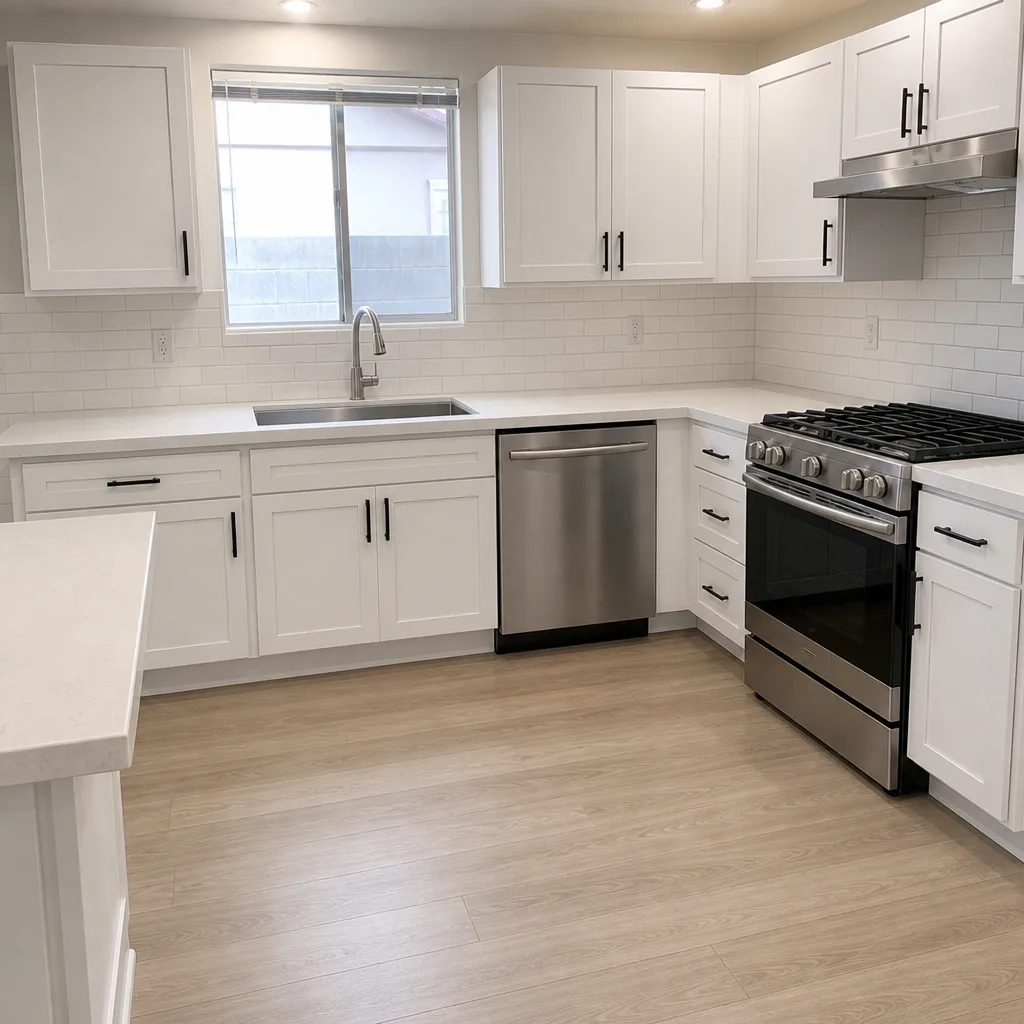
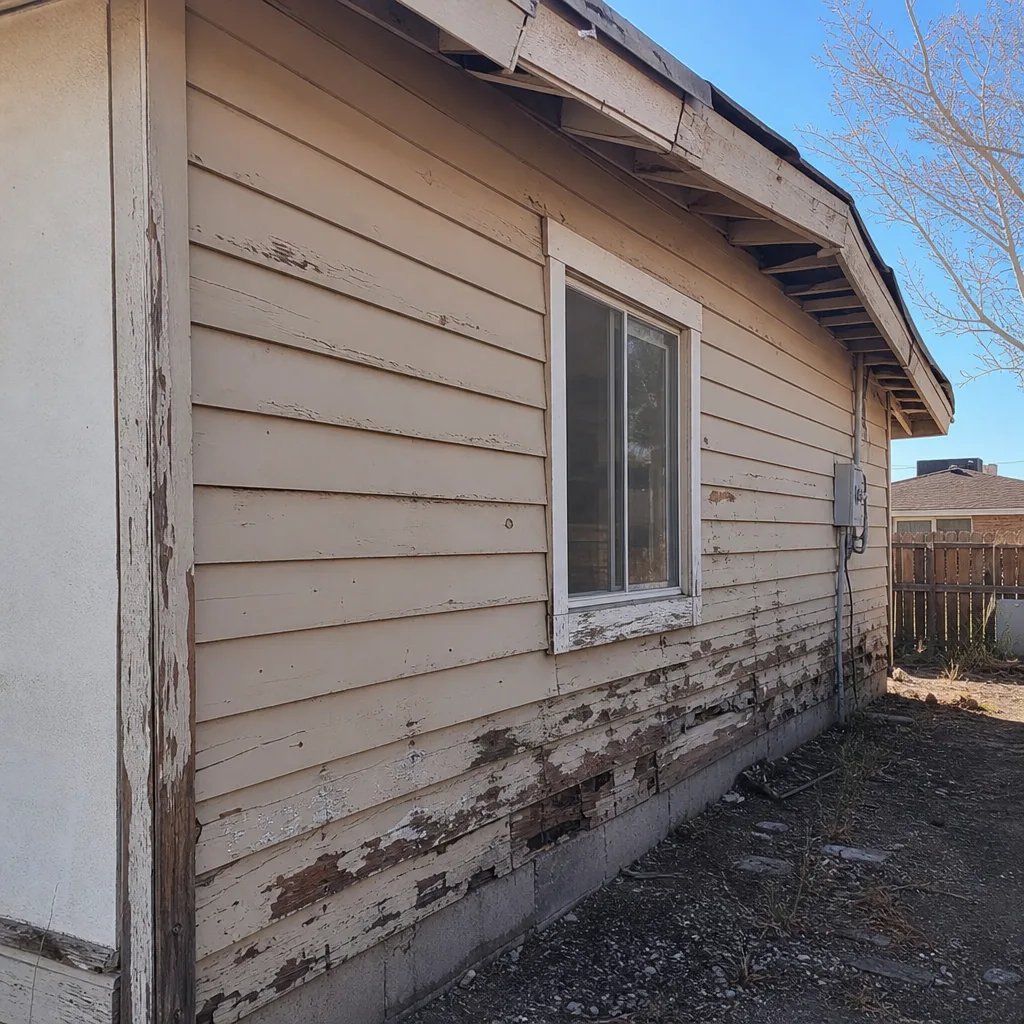
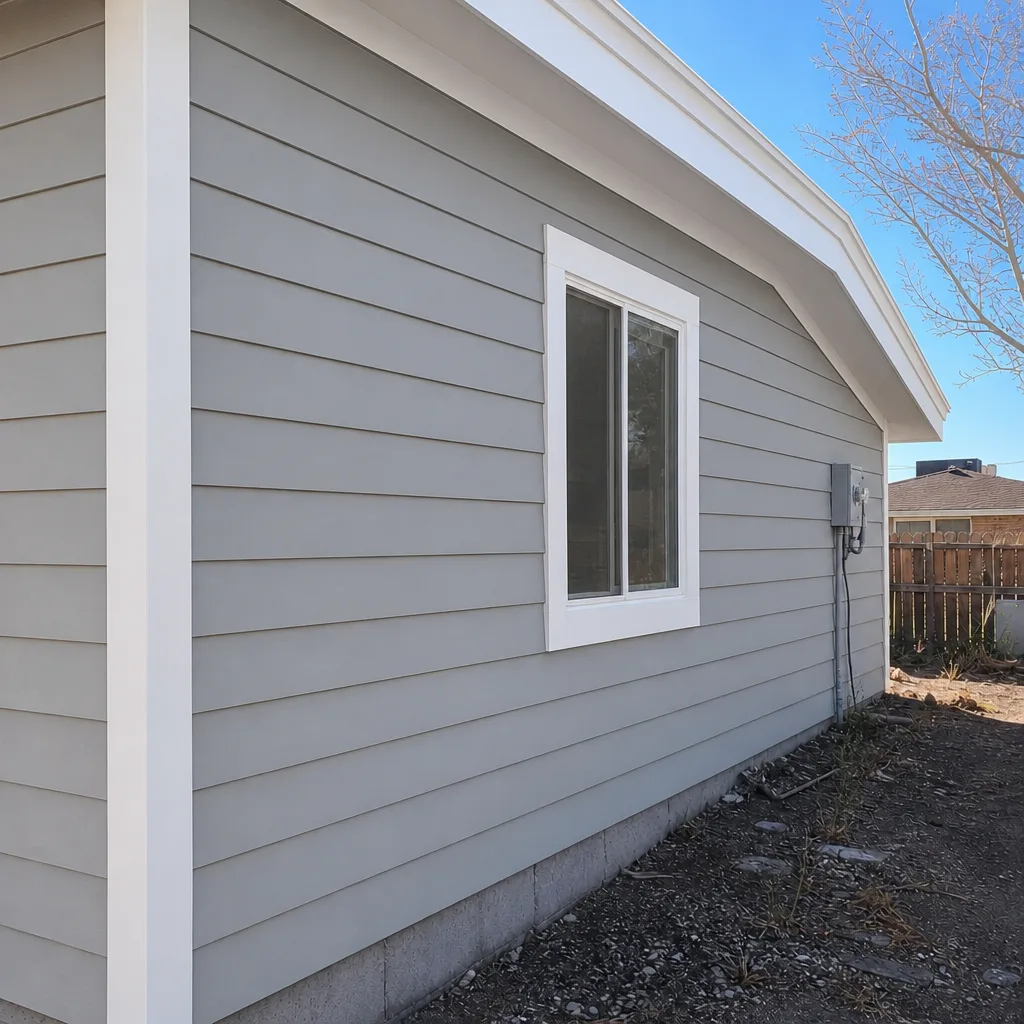
See the difference
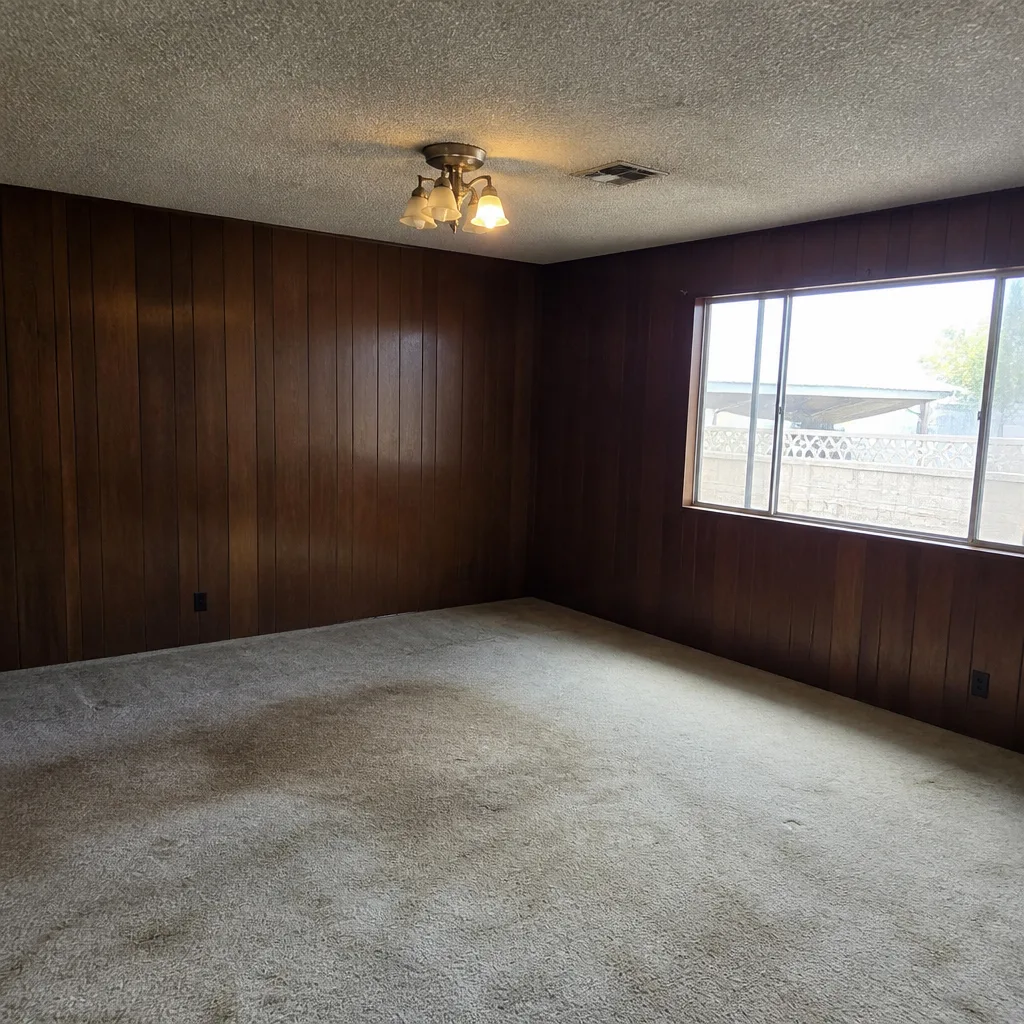 Before
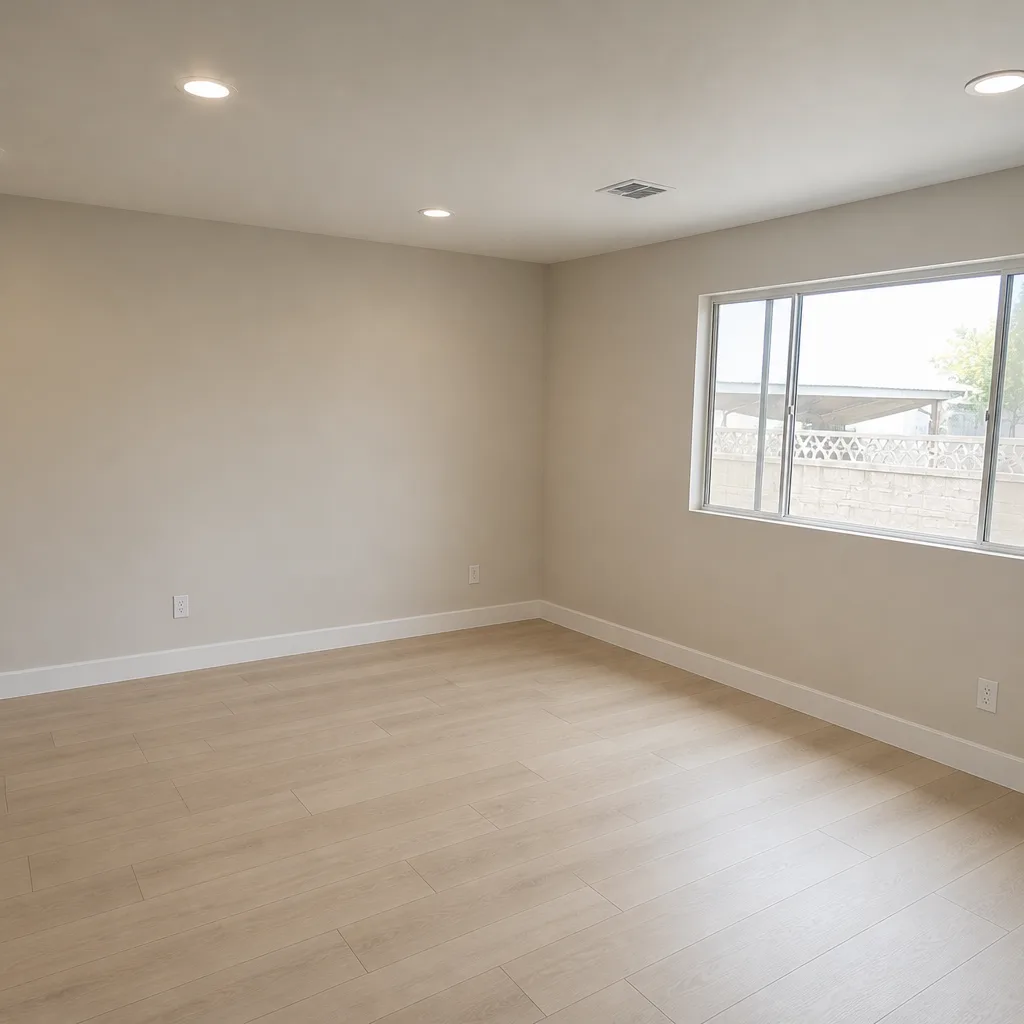 After
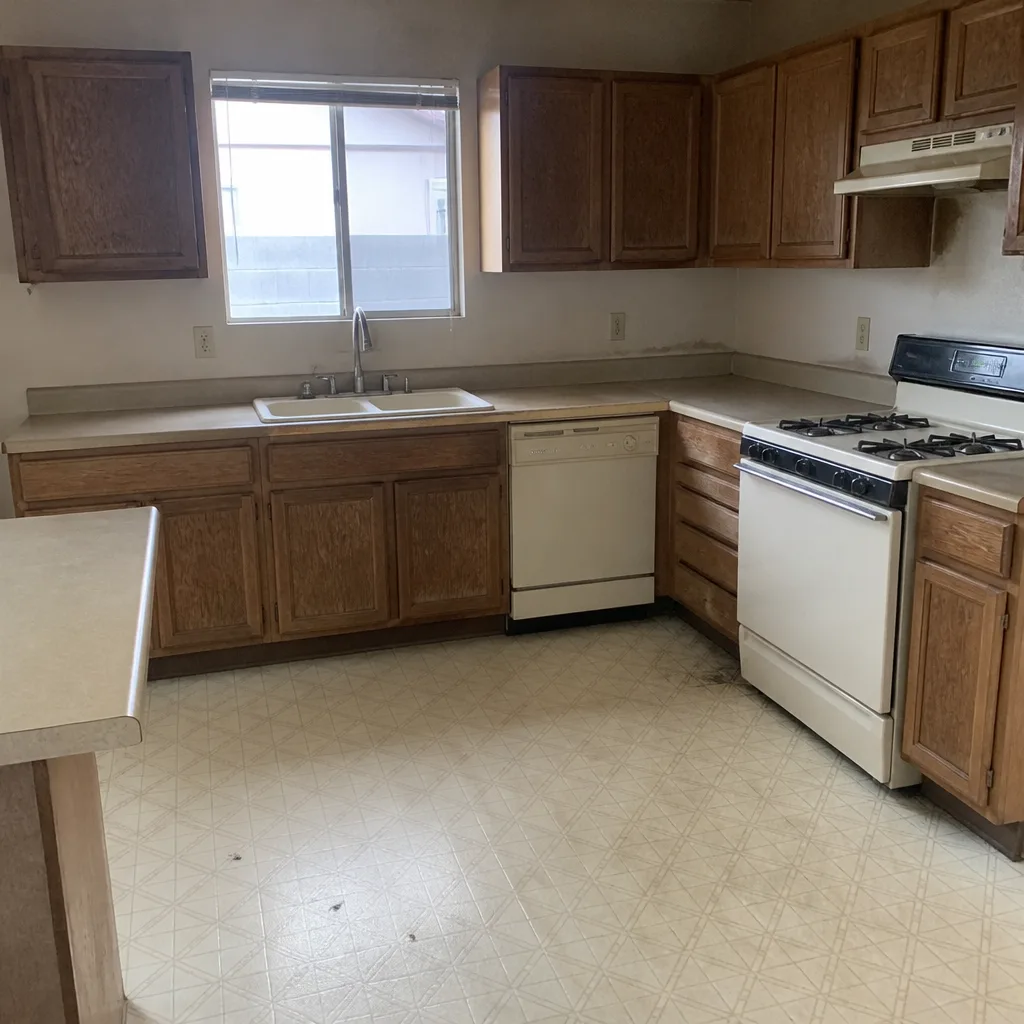 Before
 After
 Before
 After