
Last updated November 1, 2026
 Home additions & ADU
 Kitchen remodeling
 Bathroom remodeling
 Roofing
 Windows & doors
 Driveway & pavers
 Fence
Free written scope consultation - allowances, timeline, and change-order rules on paper before a single trade is scheduled
Construction Emergency Preparedness Guide for North Las Vegas Homes
Most North Las Vegas homeowners call a contractor within hours of a structural emergency. By then, three of the five decisions that determine total repair cost have already been made: by weather, by water, and by waiting. A roof breach during a July monsoon doesn’t negotiate. A supply line that fails at 2 a.m. doesn’t pause while you research plumbers. This guide exists because we’ve watched too many families in North Las Vegas absorb preventable secondary damage while they figured out who to call, what to document, and which repairs could wait. You’ll learn the four most common construction emergencies in this valley, the exact documentation sequence that protects your insurance claim, which temporary fixes preserve your options, and how to structure contractor conversations when every hour matters.
Quick Answer
Construction emergency preparedness for North Las Vegas homes means having a documented response plan that covers the four most common failure points in this climate: monsoon roof breaches, frozen pipe bursts, summer HVAC cascades, and irrigation or supply line flooding. See our Construction Warning Signs: A North Las Vegas Homeowner’s Reference Guide for early indicators of each. The plan must include a documentation sequence for insurance, prioritized mitigation steps that won’t void coverage, a shortlist of questions for any emergency contractor, and a clear understanding of the difference between mitigation authorization and permanent repair contracts.
Styles & brands we work with
- Kitchen remodeling
- Bathroom remodeling
- Home additions & ADU
- Roofing
- Windows & doors
- Driveway & pavers
- Fence
Table of Contents
- The Four Construction Emergencies Most Common in North Las Vegas
- The First Hour: Documentation Sequence That Protects Your Claim
- Temporary Mitigation: What Preserves Options vs. What Voids Them
- What to Ask an Emergency Contractor Before They Start
- Mitigation vs. Permanent Repair: Understanding the Authorization Difference
- How a Single-Source General Contractor Shortens Emergency Response
- Building Your Pre-Season Preparedness Plan
- Common Mistakes to Avoid
The Four Construction Emergencies Most Common in North Las Vegas
North Las Vegas sits in a climate that punishes deferred maintenance with compounding interest. The Mojave Desert’s temperature swings, monsoon-driven microbursts, and hard water combine to create specific failure patterns we see repeatedly across neighborhoods from Aliante to Eldorado. Understanding these patterns is the foundation of preparedness because each emergency has a predictable cascade of secondary damage when not contained within the first 24 hours.
1. Monsoon Roof Failures (July through September)
The North American Monsoon delivers sudden, violent downpours that overwhelm flat and low-slope roofs common to North Las Vegas housing stock. The primary failure isn’t always dramatic. Often it’s a deteriorated flashing seam or a clogged scupper that lets water into the attic space during a 45-minute deluge. The cascade begins immediately: saturated insulation loses R-value, drywall ceilings absorb moisture, and mold colonization can begin in as little as 48 hours in a hot attic. Within 72 hours, ceiling drywall may sag or collapse. The cost difference between addressing a roof breach in the first day versus after a week of drying cycles can be $2,500 to $6,000 on a typical North Las Vegas home.
2. Frozen Pipe Bursts (December through February)
North Las Vegas winters are mild, but the overnight lows in December and January routinely drop into the mid-20s in outlying areas like Apex and the northern reaches of the 89084 corridor. Homes built before recent code updates often have water supply lines running through unconditioned exterior walls or uninsulated garage cavities. When a PEX or copper line freezes and splits, the failure is rarely contained: a half-inch supply line can release up to 10 gallons per minute. By the time a homeowner notices, water has typically saturated flooring, wicked up drywall, and found its way into the subfloor. The secondary cascade includes delamination of engineered flooring, warped baseboards, and mold conditions in wall cavities that require full remediation.
3. Summer HVAC Cascades (June through August)
When North Las Vegas temperatures sustain above 105°F for consecutive days, HVAC systems run at maximum cycle. A compressor or blower failure isn’t a construction emergency by itself, but the cascade is: with interior temperatures climbing past 90°F, drywall expansion accelerates, caulk joints fail, and in severe cases, refrigerated spaces like wine closets or medication storage fail. More significantly, homes with high humidity from shower use or cooking see accelerated mold growth when cooling stops. The construction emergency emerges when the HVAC failure coincides with another system: a condensate line backup that floods a mechanical closet, or an electrical failure that requires drywall removal to access wiring. We’ve seen July HVAC failures in North Las Vegas that began as a $400 capacitor replacement and ended as a $12,000 drywall and flooring restoration because no one contained the condensate overflow.
4. Irrigation and Supply Line Flooding (Year-Round, Peaks April and October)
North Las Vegas has some of the hardest municipal water in the state. Mineral buildup accelerates valve degradation in irrigation systems, and the spring and fall start-up cycles are when failures concentrate. A failed irrigation manifold or a cracked supply line behind a wall can release hundreds of gallons into a foundation or slab before detection. The secondary cascade is structural: expansive soils in the Las Vegas Valley respond to moisture by swelling, which can shift slab foundations and crack interior walls. What starts as a $80 valve replacement becomes a $15,000 structural assessment and repair sequence.
The First Hour: Documentation Sequence That Protects Your Claim
Insurance adjusters in Nevada work from documentation. The quality of your first-hour record determines how much of your claim is approved, and the difference is often tens of thousands of dollars. The sequence matters because certain evidence degrades: water lines recede, electrical damage gets covered by restoration work, and the original failure point becomes invisible once emergency mitigation begins. Here is the documentation protocol we recommend to every North Las Vegas homeowner, based on what we’ve seen survive adjuster scrutiny.
- Wide shots first, from every angle. Stand in each affected room and photograph from the doorway, from the center, and from each corner. Include the ceiling, floor, and each wall. These wide shots establish the full extent of visible damage.
- Close-ups of the failure point. If you can identify where the water entered, where the pipe split, or where the roof failed, photograph it from 12 inches away and from 3 feet away. Do not touch or move anything before photographing.
- Detail shots of secondary damage. Baseboards, door casings, flooring edges, and drywall seams where staining or warping appears. These shots prove the cascade reached beyond the original failure point.
- Video walkthrough with narration. Walk the full affected area with your phone recording. State the date, time, what you observed when you first noticed the problem, and what you have not touched. This narration is admissible and useful when your written memory conflicts with an adjuster’s assessment.
- Photograph the exterior. For roof failures, photograph the roof surface from ground level at minimum. For irrigation failures, photograph the valve box and surrounding ground saturation. Exterior evidence disappears first once drying begins.
- Do not dispose of any failed component. The split pipe, the failed valve, the dislodged flashing: bag it, label it, and keep it. A physical failed component is worth more to your claim than any photograph because a materials engineer can identify manufacturer defects.
North Las Vegas homeowners with homes built before 2010 should pay special attention to step six. Older plumbing systems often contain mixed materials (copper to galvanized transitions, early-generation PEX fittings) that have documented failure histories. Keeping the failed component preserves your right to pursue a manufacturer claim or a code-compliance claim against the original builder.
Temporary Mitigation: What Preserves Options vs. What Voids Them
The decisions you make in the first few hours after an emergency determine which repair options remain available. Some actions preserve coverage and keep your restoration scope flexible. Other actions, taken with good intentions, can void portions of your coverage or lock you into a remediation path that fails inspection. This distinction is not intuitive, and North Las Vegas homeowners frequently learn it after the fact.
Actions That Preserve Your Options
- Shut off the water at the main or the fixture isolation valve. Every North Las Vegas home has a main shut-off, typically near the water meter or where the service line enters the house. Know where yours is before you need it. Shutting off water stops the active failure and demonstrates to your insurer that you acted to mitigate.
- Kill power to affected circuits at the breaker panel. If water has contacted any electrical outlet, switch, or appliance, shut off the corresponding breaker. Do not restore power until an electrician has inspected. This prevents arc faults and demonstrates responsible mitigation.
- Place tarps or plastic sheeting over roof breaches. A standard blue tarp, properly secured with furring strips, prevents further water intrusion without altering the roof structure. Use tarps, not roofing cement or spray sealant, as a temporary fix. Sealant products can interfere with permanent repair adhesion.
- Photograph everything before moving anything. Covered in the previous section, but worth repeating: documentation before mitigation is the sequence that holds up under claim review.
- Remove standing water with a wet/dry vacuum or mop. Removing bulk water slows saturation and reduces the window for mold colonization. Document the volume removed if possible (number of vacuum canisters emptied).
Actions That Can Limit or Void Coverage
- Demolition without documentation. Cutting out drywall, pulling up carpet, or removing baseboards before an adjuster has documented the scene destroys evidence. Insurers can and do deny portions of claims when the homeowner’s demolition makes it impossible to verify the original damage extent.
- Starting permanent repairs before the claim is settled. Installing new drywall, re-roofing, or replacing flooring before your adjuster’s final determination is a common and costly mistake. The insurer may argue the work was pre-existing or unrelated. Permanent repair authorization and mitigation authorization are legally distinct (covered in the next section).
- Using the wrong temporary sealant. Spray foam, silicone, and roofing cement applied over a roof breach or pipe leak can bond to surfaces in ways that prevent clean permanent repair. Worse, some sealants trap moisture against structural members, accelerating rot.
- Discarding failed components. Thrown away, bagged for trash pickup, or left outside for days, the evidence you need disappears. Keep failed components until your claim is fully closed.
- Allowing unlicensed workers on-site for “quick cash” mitigation. In Nevada, unlicensed contracting over $1,000 in labor and materials is a criminal violation. If the unlicensed worker is injured on your property, your homeowner’s liability coverage may not respond. North Las Vegas requires a contractor’s license for any construction work beyond homeowner-performed maintenance.
What to Ask an Emergency Contractor Before They Start
When a contractor arrives in response to an emergency call, the pressure to “just get started” is enormous. Water is still seeping, the ceiling is sagging, and every hour feels like a week. But the first 20 minutes of contractor conversation determine whether you’re entering a professional arrangement or a costly improvisation. Here are the questions we recommend every North Las Vegas homeowner ask before authorizing any work, written from the perspective of a contractor who has answered them honestly for years.
- “Are you licensed as a general contractor in Nevada, and can I see your license number?” Nevada requires a contractor’s license for construction work exceeding $1,000. Ask for the number and verify it with the Nevada State Contractors Board. A legitimate contractor will volunteer this without hesitation.
- “Is this mitigation, permanent repair, or both?” The distinction matters, and a contractor who can’t articulate the difference should not be on your property. Mitigation stops the active damage. Permanent repair restores the structure. Different scopes, different authorizations, different contracts.
- “Will you provide a written scope of work before any demolition begins?” Any contractor who starts cutting drywall or pulling flooring before a written scope exists is creating liability for both of you. The scope should itemize what will be removed, what will be protected, and what the next phase looks like.
- “Who is responsible for permits, and will they be pulled?” In North Las Vegas, structural repairs, electrical work, and plumbing repairs typically require permits. A contractor who suggests skipping permits is asking you to assume legal and resale liability.
- “How do you handle change orders, and what is your markup policy?” Emergency work discovers hidden damage. When the drywall comes off and the framing is saturated, the scope changes. A professional contractor documents change orders in writing, with pricing, before the additional work proceeds.
- “Can you provide references from emergency repair work in North Las Vegas specifically?” General remodeling references are useful. Emergency references are better. You want to know how this contractor performed under time pressure, how they communicated with insurers, and whether they completed what they started.
These questions are not obstacles. They are the minimum standard for a professional engagement. A contractor who bristles at any of them is telling you something important about how the rest of the project will go.
Mitigation vs. Permanent Repair: Understanding the Authorization Difference
The single most consequential document you sign during a construction emergency is the authorization that lets a contractor begin work. North Las Vegas homeowners routinely sign a single authorization that, unbeknownst to them, constitutes consent for both mitigation and permanent repair. The distinction matters because insurance policies treat these differently, and the financial exposure is entirely on the homeowner’s side.
Mitigation authorization covers the actions necessary to stop active damage: water extraction, temporary roof covering, structural shoring, electrical disconnect, initial drying. This work is typically covered under your policy’s mitigation provisions and is the portion of the claim your insurer expects you to authorize immediately. The authorization should be scoped narrowly: what mitigation actions will be performed, what materials will be used, and a maximum dollar figure.
Permanent repair authorization covers the restoration of your home to pre-loss condition: drywall replacement, flooring installation, roof repair, repainting, and finish work. This is a separate, larger contract that should not be signed until your insurance adjuster has inspected, your claim has been evaluated, and you have a written repair estimate with a specified scope. Signing permanent repair authorization before the adjuster’s visit can reduce or void portions of your claim because the insurer loses the ability to verify the original damage.
The professional sequence is: emergency mitigation under a limited authorization, insurance inspection, written permanent repair scope with pricing, then permanent repair authorization. Any contractor pushing to combine these steps is asking you to underwrite their cash flow with your insurance coverage.
Stonehall Construction manages this sequence as a matter of standard practice on emergency response work in North Las Vegas. The mitigation estimate is separate from the repair proposal, and the repair proposal has a fixed scope with a fixed price, no blank authorizations, no open-ended hourly arrangements that leave you guessing. If you’re comparing emergency contractors, this separation is the professional baseline.
How a Single-Source General Contractor Shortens Emergency Response
The conventional emergency response in North Las Vegas involves a cascade of phone calls: a roofer for the roof, a plumber for the pipe, a drywall contractor for the ceiling, a flooring company for the floors, and an electrician for the compromised wiring. Each call carries a scheduling delay, a separate diagnostic visit, and a separate markup. The total time from emergency to fully restored often stretches three to six months, not because the work is complicated, but because the coordination is.
A single-source General Contractor in North Las Vegas changes the math. One call initiates a response that covers every trade under a single scope, a single schedule, and a single point of accountability. The roofer doesn’t wait for the drywall contractor to finish. The electrician doesn’t arrive before the water is extracted. The sequence is managed by one team that has coordinated these exact phases before.
This matters most in the first 72 hours, when the difference between a contained emergency and a cascade is determined by sequencing speed. A single-source contractor mobilizes the mitigation phase immediately and lines up the trades for permanent repair in the correct order, with no gaps between phases. From our work across North Las Vegas projects and emergency responses, we know the coordination cost savings alone typically represent 15 to 20 percent of the total project budget compared to multi-contractor coordination.
There’s also a materials advantage that most homeowners don’t consider until it’s too late. A single-source contractor with established relationships across 50-plus manufacturer brands can source the right replacement materials immediately: a specific drywall spec, the matching flooring line, or the appropriate roof system. Multi-contractor coordination often produces mismatched materials and compatibility problems because each trade sources independently. For a deeper look at how this works, see our home renovation approach, where material selection and trade sequencing are managed as a single system.
Building Your Pre-Season Preparedness Plan
Preparedness is a document, not an intention. The families who weather construction emergencies with the least financial damage in North Las Vegas are the ones who wrote down phone numbers, located their shut-offs, and captured baseline documentation before anything failed. Here is the plan structure we recommend, organized by the season in which each emergency is most likely to strike.
Before Monsoon Season (By Late May)
- Inspect and clean all roof scuppers and gutters. North Las Vegas monsoons overwhelm drainage quickly. A clogged scupper turns a 45-minute storm into a structural event.
- Photograph your roof from ground level at multiple angles. Store these photos. After a storm, they serve as your baseline for proving storm-caused damage versus pre-existing wear.
- Check flashing around all roof penetrations. Vent pipes, skylights, and HVAC curbs are the most common entry points. Look for lifted edges, cracked sealant, or missing fasteners.
- Record your insurance policy number and claims phone number in your phone and on paper. Store a printed copy in a waterproof bag near your electrical panel.
Before Freeze Season (By Mid-December)
- Locate and test your main water shut-off valve. If you cannot turn it by hand, have it replaced now, not during an active leak.
- Insulate any exposed piping in unconditioned spaces. Garages, crawl spaces, and exterior wall penetrations are the vulnerable spots in North Las Vegas homes.
- Know which exterior walls contain supply lines. If a cold snap is forecast, open the cabinet doors under sinks on exterior walls to allow warm air circulation.
Before Peak HVAC Season (By Late May)
- Have the condensate line and drip pan inspected. The condensate overflow is the most common source of HVAC-related water damage we see in North Las Vegas summers.
- Check the emergency drain pan for proper slope and drain line connection. A pan that isn’t draining will overflow into the ceiling or mechanical closet floor.
- Know where your HVAC disconnect is and confirm it’s functional. If the system must be shut down for electrical safety, you need to find the disconnect in the dark, quickly.
Document your plan. Screenshot the shut-off locations and save them to a shared family album. Give a copy to whoever might be home when you’re not. The best plan is the one that executes without you.
Common Mistakes to Avoid
- Waiting to call the insurer until after the water is “fully documented” by a contractor. Your policy requires prompt notification. Call your insurer within the first hour, even if you don’t have photos yet. Late notification is a common basis for claim denial, and it’s entirely avoidable.
- Starting demolition to “see how bad it is.” Every piece of drywall you remove before the adjuster documents is evidence destroyed. If you must remove material for safety, photograph it in place first and keep the removed pieces.
- Accepting the first quote without a written scope. Emergency pressure produces vague scopes and inflated prices. A professional contractor will itemize. If they won’t, the pressure is the point.
- Forgetting that North Las Vegas permits apply to emergency repairs too. The urgency doesn’t suspend the code. Unpermitted structural, electrical, or plumbing work becomes a disclosure problem when you sell and a liability problem while you own.
- Using stopgap products as permanent fixes. Caulk over a leaking flashing, spray foam in a foundation crack, tape over a split pipe: these are temporary at best and actively harmful at worst. They fail, often at the worst moment, and they complicate the eventual permanent repair.
- Not documenting pre-emergency condition. The baseline photos you take on a normal July afternoon are the evidence that proves a September storm damaged your roof. Without them, your claim rests on the adjuster’s interpretation.
- Trying to coordinate five different trade contractors during the emergency. The time you spend scheduling, explaining, and re-explaining the problem to each new trade is time the water keeps moving. One accountable contractor with a full trade bench changes the response speed from weeks to days.
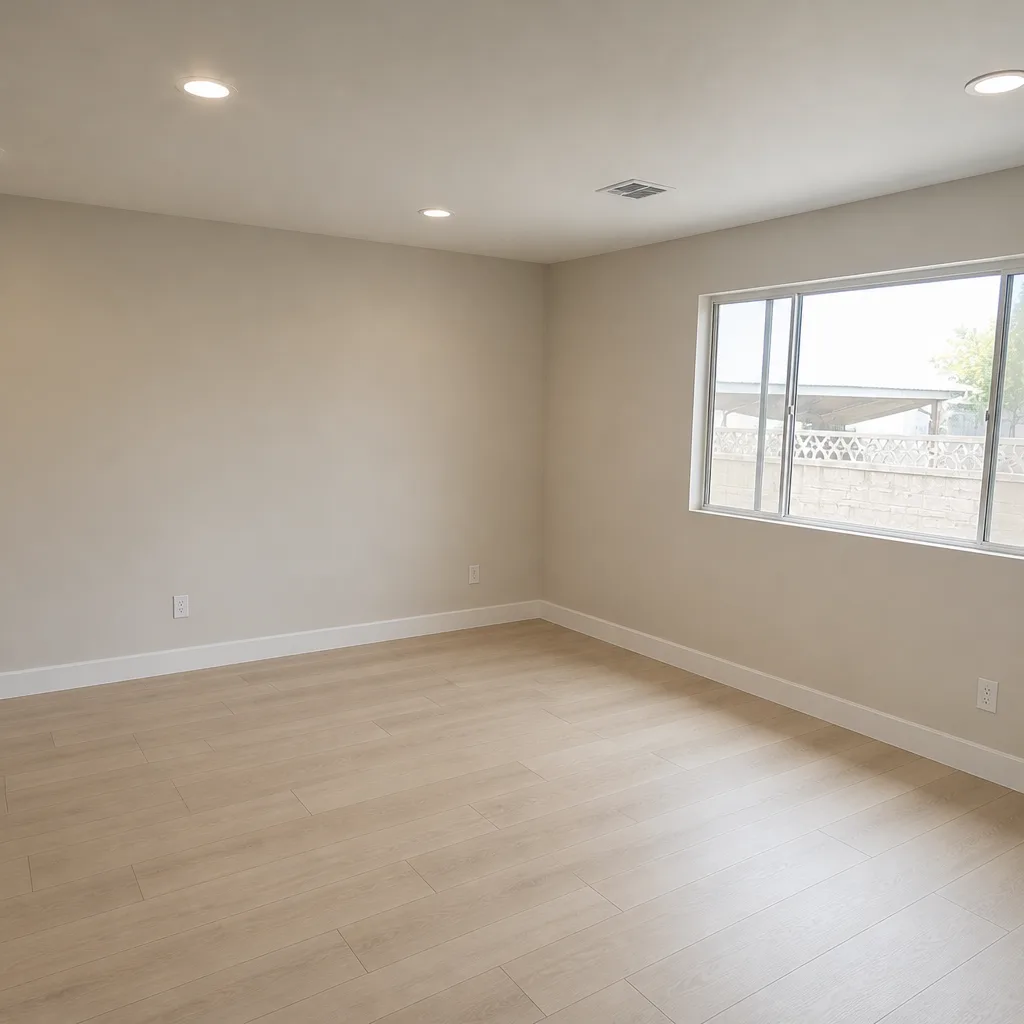
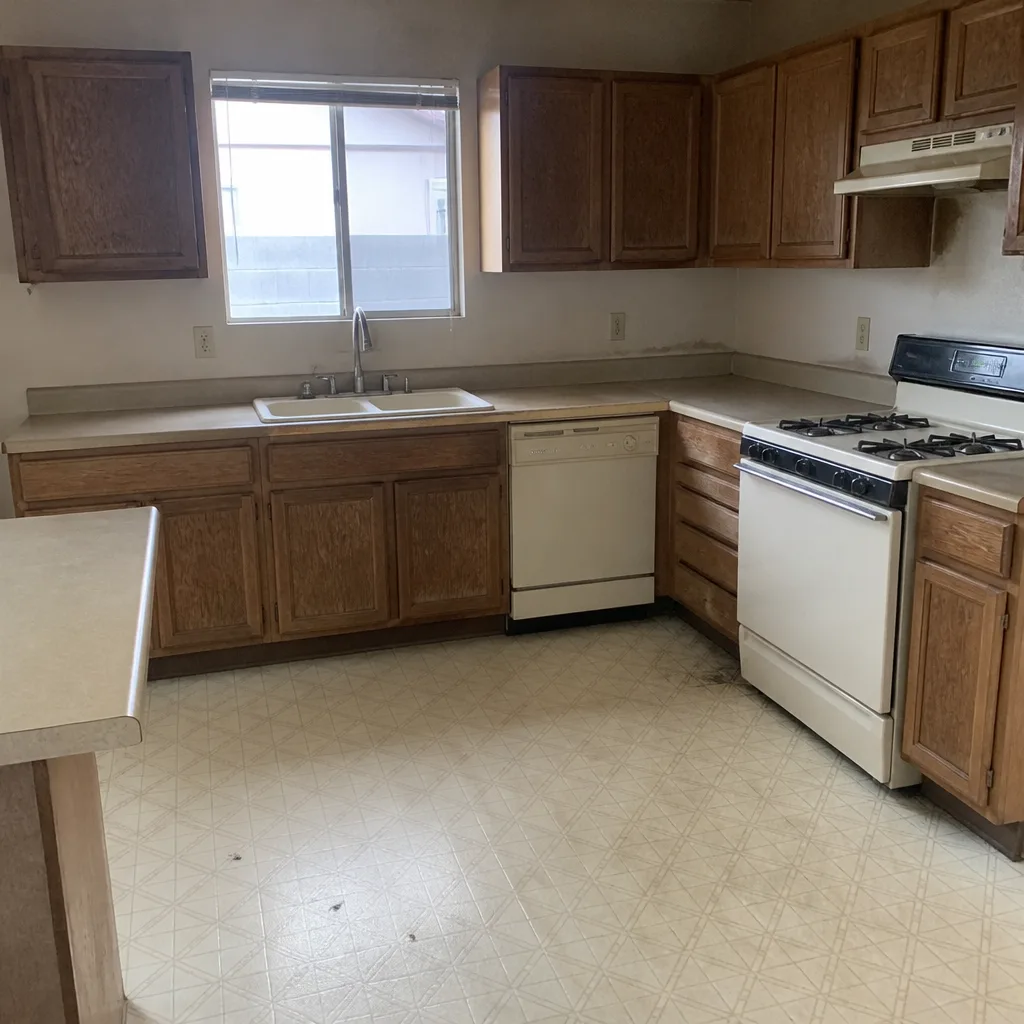
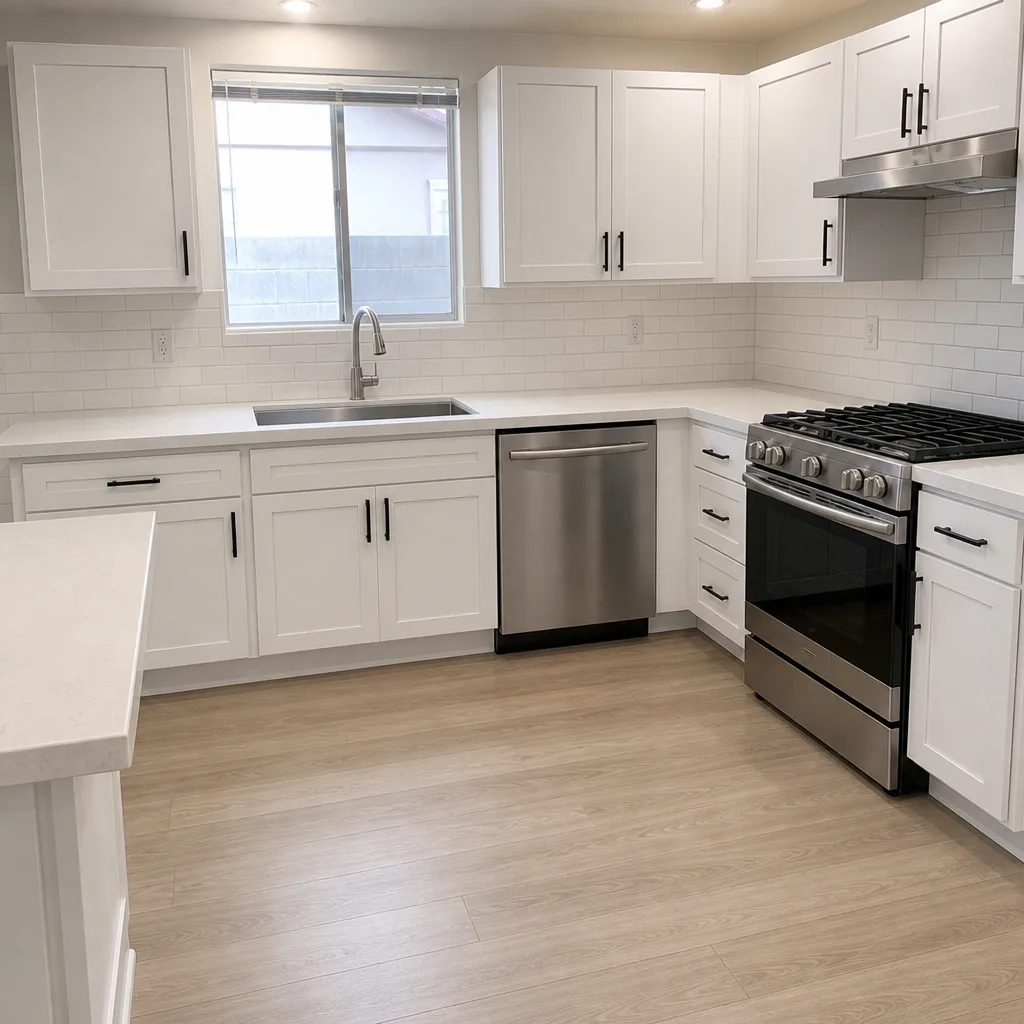
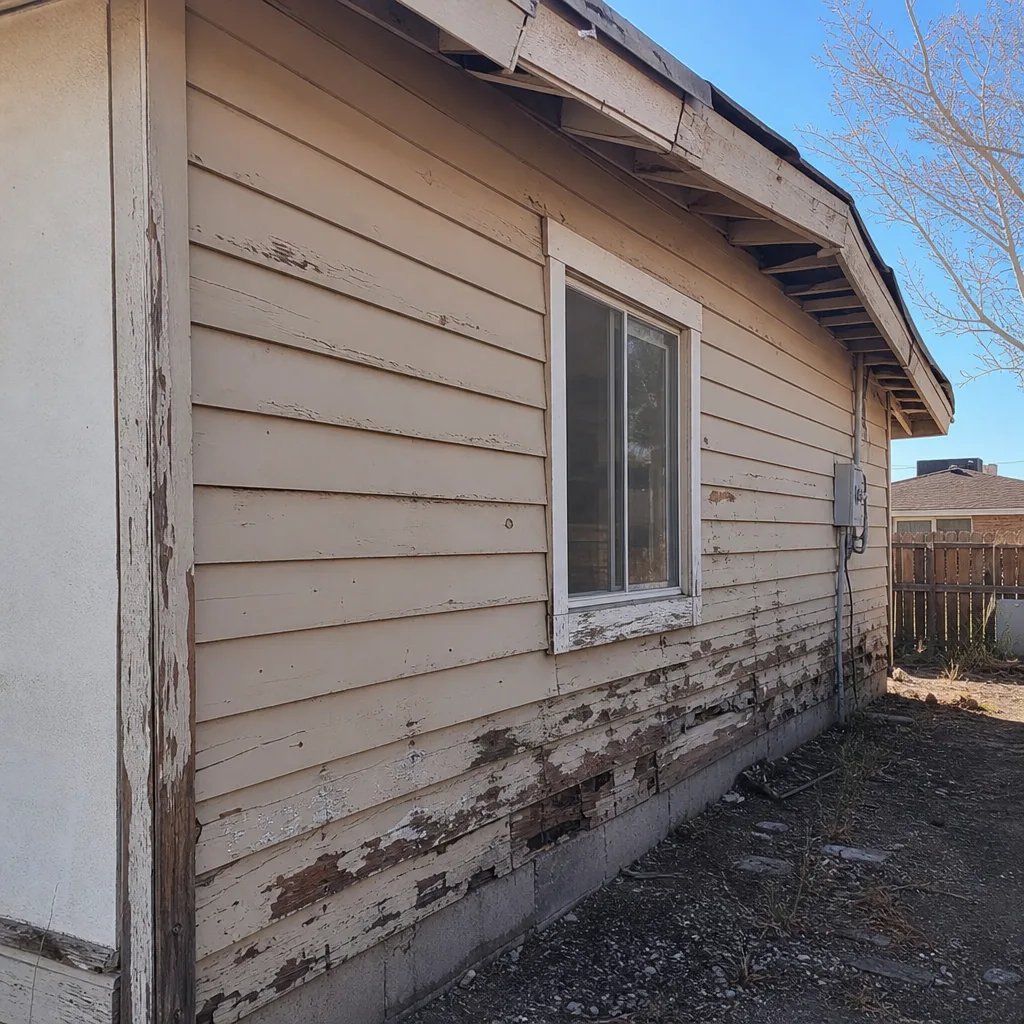
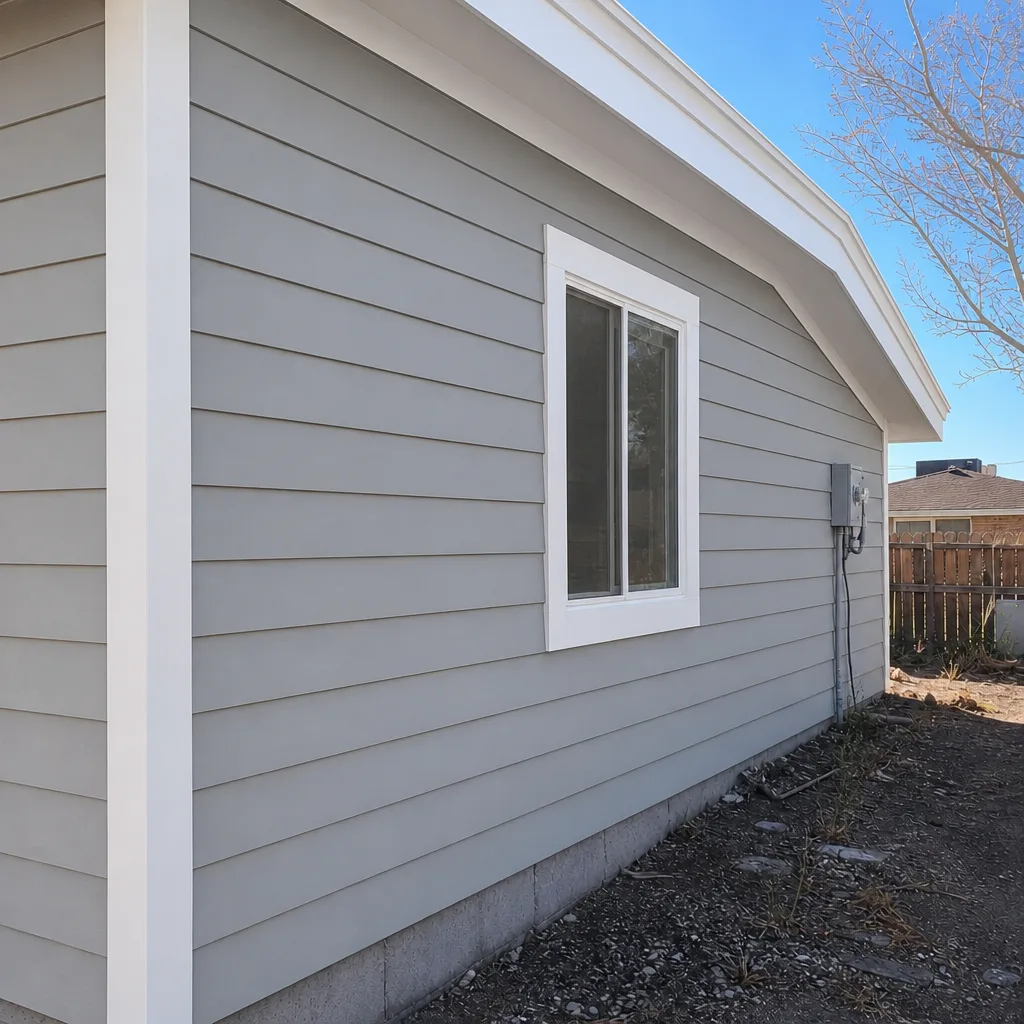
See the difference
 Before
 After
 Before
 After
 Before
 After
When to Call a Professional
Some construction emergencies are manageable with the steps in this guide: shutting off water, documenting damage, placing temporary tarps, and beginning the insurance process. But structural compromise is not a homeowner-level repair. Call a professional when any of these conditions exist: ceiling drywall is sagging or bulging with water weight, water has contacted an electrical panel or wiring, a roof has visible structural deflection, a foundation is showing new cracks or movement, mold is visible on more than 10 square feet of surface, or water has saturated insulation in a wall or ceiling cavity. In these situations, the risk of injury from collapse, electrical shock, or respiratory exposure exceeds any savings from delayed professional response. For emergency situations that require structural assessment or multi-trade coordination, Stonehall Construction home is here for North Las Vegas homeowners. We offer free estimates and will walk you through the mitigation versus repair sequence before any work begins. Call (833) 772-4634.
Frequently Asked Questions
Stop the active damage first: shut off water at the main or isolation valve for plumbing failures, kill power at the breaker for electrical contact, and tarp roof breaches if safe to do so. Then photograph everything from multiple angles before moving anything. Call your insurer within the first hour, then begin contacting contractors. The sequence is stop, document, notify, mitigate. Call (833) 772-4634 if you need guidance on the sequence for your specific emergency.
Emergency construction repair costs in North Las Vegas vary widely by scope, but typical ranges are: roof breach mitigation and permanent repair from $1,800 to $12,000 depending on the affected area; burst pipe water damage restoration from $3,500 to $25,000 depending on how far the water traveled; HVAC-related water damage from $2,000 to $15,000 including drywall and flooring; and irrigation or supply line flooding from $4,000 to $20,000 when structural assessment is required. These are working ranges based on what we see across North Las Vegas homes, not quotes. Your specific scope will depend on the failure point, the secondary damage, and the materials involved. Call (833) 772-4634 for a free estimate specific to your situation.
Most North Las Vegas homeowner’s policies cover sudden and accidental damage from roof breaches, burst pipes, and water intrusion, subject to your deductible and policy limits. Coverage typically excludes damage from gradual deterioration, deferred maintenance, or long-term leaks. The documentation sequence in this guide is designed to establish that your damage was sudden and accidental, which is the standard the adjuster will apply. For specific coverage questions, consult your policy documents and your agent. For the construction scope that supports your claim, call (833) 772-4634 for a free assessment.
Mitigation typically begins within 24 to 48 hours of your call. Permanent repair timelines depend on scope: a contained ceiling repair can be completed in a week, while full water damage restoration with drywall replacement, flooring, and repainting typically runs two to six weeks. Multi-trade emergencies that involve structural, electrical, and finish work can extend to eight weeks or more when coordinated across separate contractors. A single-source general contractor typically compresses these timelines by 30 to 40 percent because the trades are sequenced without scheduling gaps.
Yes, and you should. Shutting off water, killing power, tarping a roof breach, and removing standing water are all actions a homeowner can and should take immediately. These actions preserve your property and demonstrate responsible mitigation to your insurer. The line is at structural demolition and permanent repair, which require professional judgment and Construction Permits, Codes & Inspections in NV: What You Need to Know. Do the temporary work yourself. Call (833) 772-4634 before you start cutting into walls or ceilings.
Look for a Nevada-licensed general contractor who separates mitigation from permanent repair in writing, provides a fixed scope with fixed pricing, pulls permits for all structural, electrical, and plumbing work, and has verifiable references from emergency response work in North Las Vegas specifically. Avoid any contractor who pressures you to sign combined authorization, suggests skipping permits, or can’t produce a license number on the spot. The standard is not high: it’s basic professionalism, and it protects you from the cascade of problems that follow unlicensed or unstructured emergency work.
The Bottom Line
Construction emergencies in North Las Vegas reward the prepared and punish the improvisational. The patterns are predictable: monsoon roof failures, freeze-induced pipe bursts, summer HVAC cascades, and irrigation flooding from hard water. The response sequence is learned: stop the active damage, document everything before touching anything, notify your insurer immediately, authorize mitigation narrowly, and separate permanent repair into a fixed-scope contract. The contractor standard is clear: licensed, scoped, permitted, and accountable. None of this is complicated, but all of it requires thinking before the event, not after. Explore more guides & resources to stay prepared. A single-source general contractor with full trade coverage shortens the response from a coordination project into a managed sequence. When the emergency hits, the first call should be the one that solves the whole problem, not the first of six.
For a free estimate on emergency construction response in North Las Vegas, call (833) 772-4634 or explore our full-scope services at General Contractor in North Las Vegas.
Written by the team at Stonehall Construction, serving North Las Vegas since 2013.