
Last updated November 1, 2026
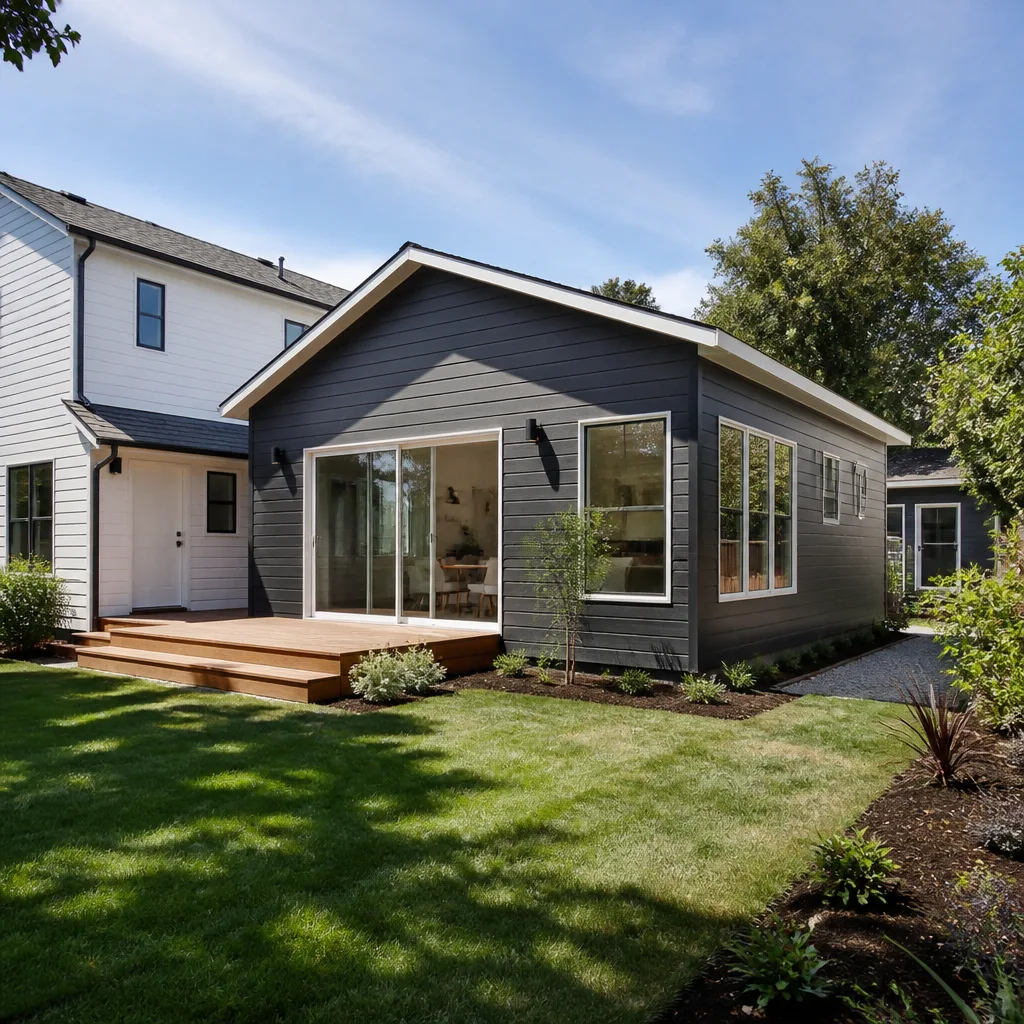 Home additions & ADU
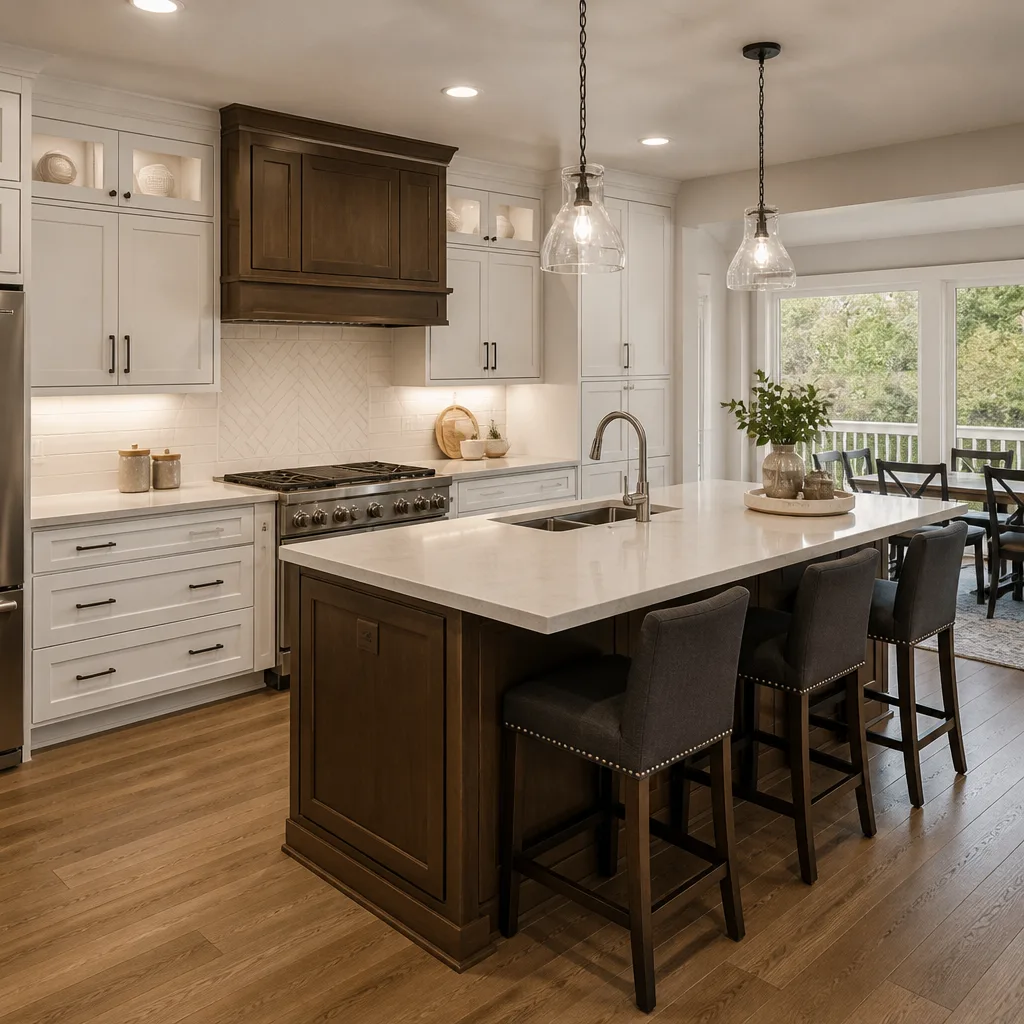 Kitchen remodeling
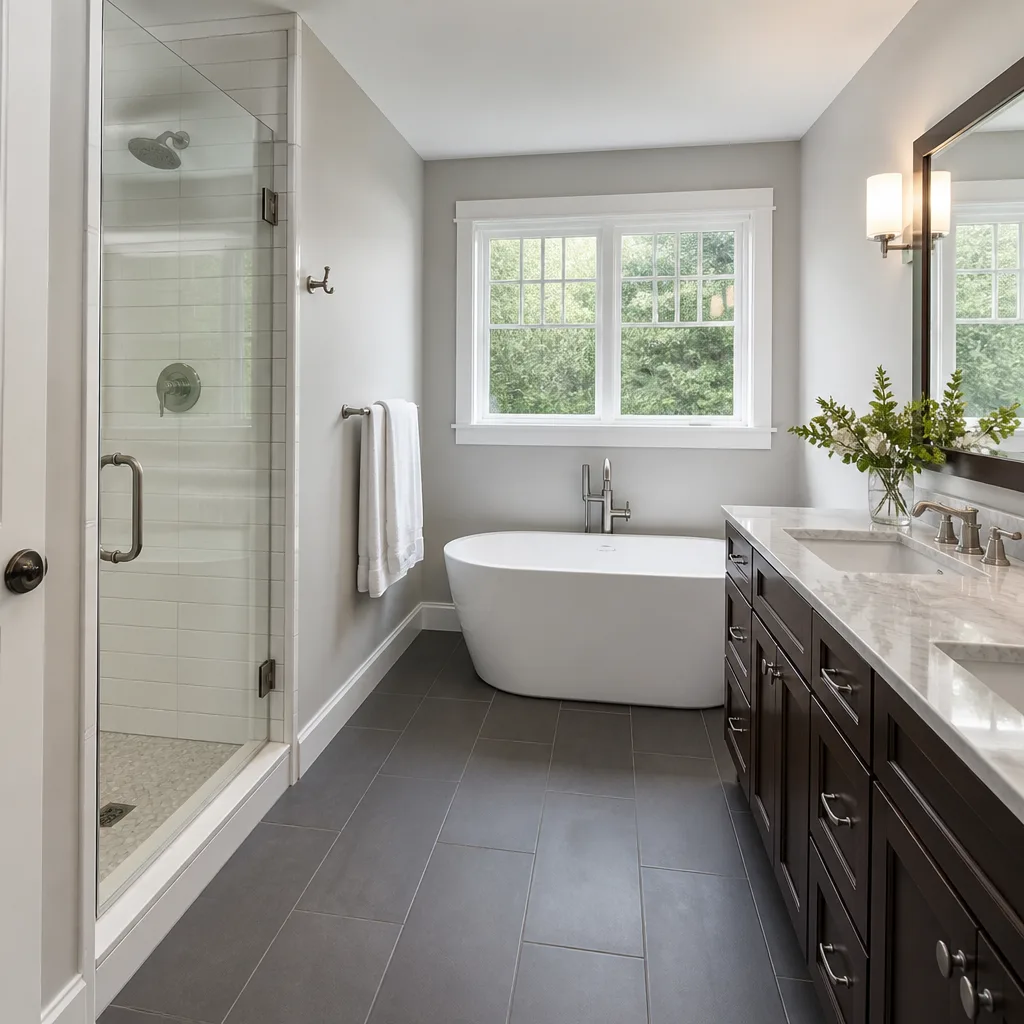 Bathroom remodeling
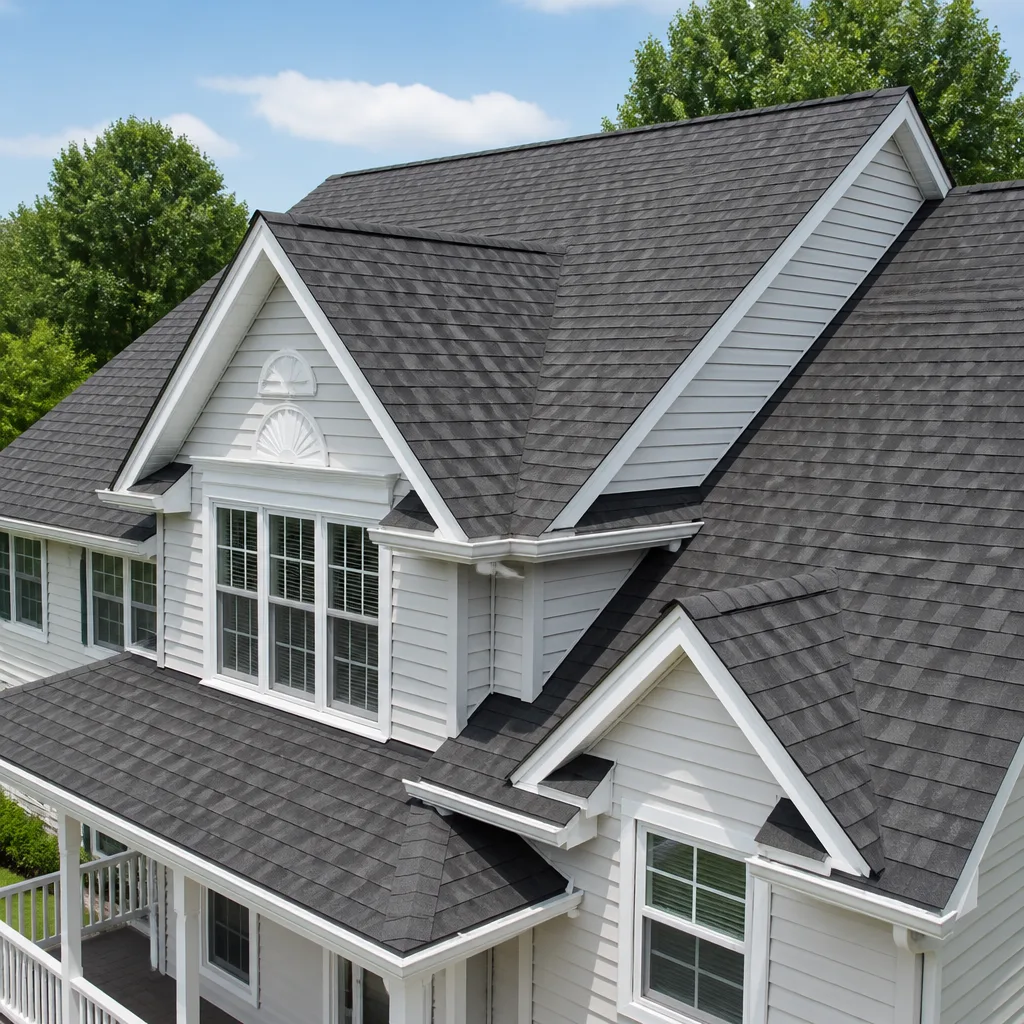 Roofing
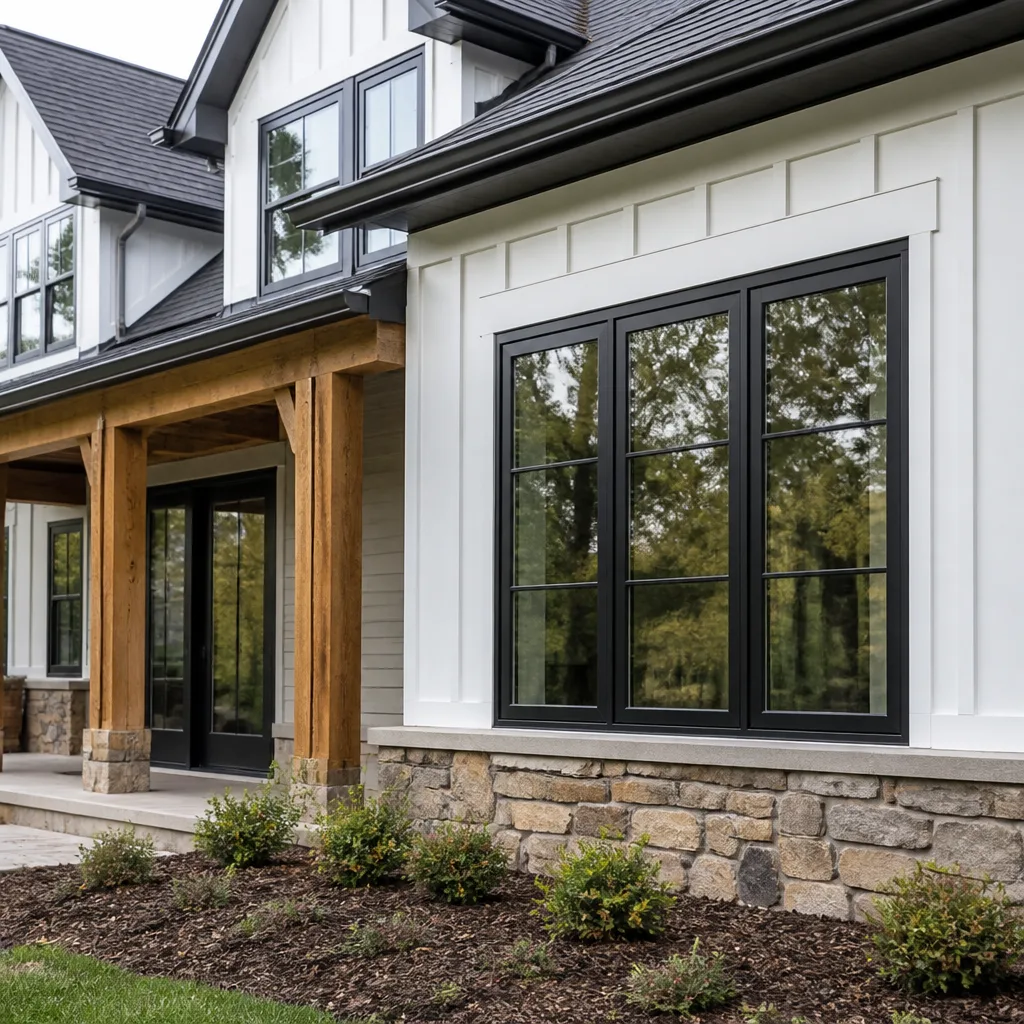 Windows & doors
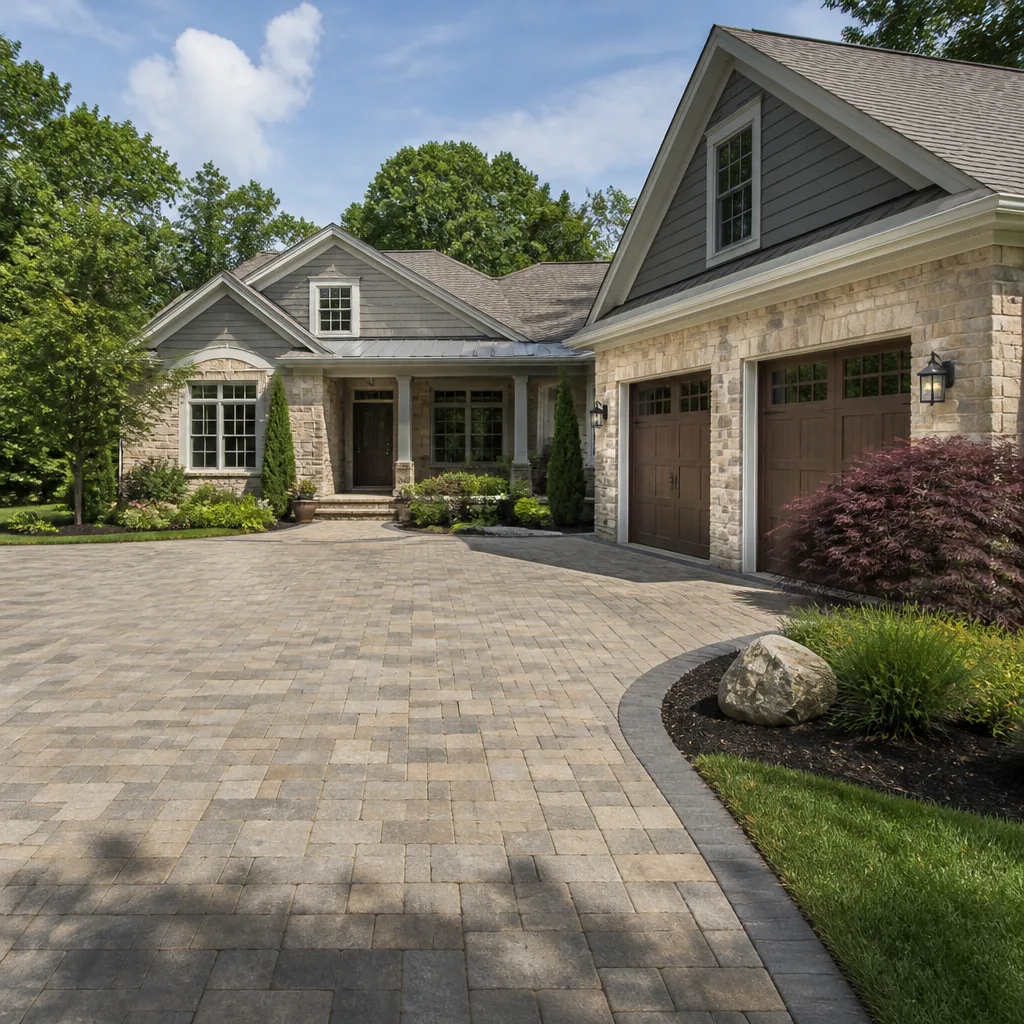 Driveway & pavers
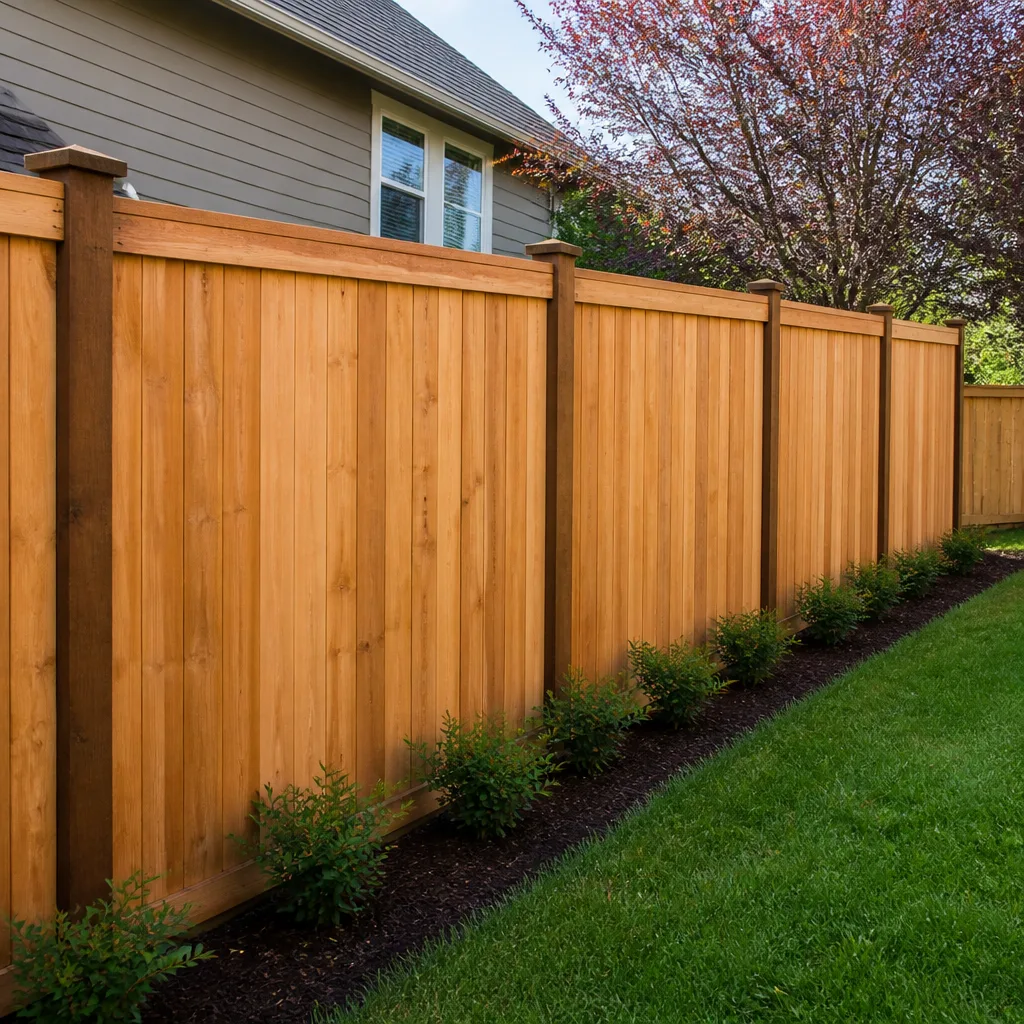 Fence
Free written scope consultation - allowances, timeline, and change-order rules on paper before a single trade is scheduled
Construction Cost Breakdown: The North Las Vegas Homeowner’s Reference for 2026
When a homeowner tells us a competing bid came in 30% lower, we don’t tell them to take it. We show them the three line items that are missing from it. In North Las Vegas, those omissions are almost always the same three: freight and material handling on everything hauled into a city without major distribution hubs, the city’s permit and development fee schedule that national cost calculators ignore, and the labor rate differential for skilled trades in a market where qualified crews are scarcer than the metro average. This guide breaks down the actual cost architecture of a North Las Vegas construction project in 2026, so you can evaluate bids with real context instead of guessing whether a number is low because it’s honest or low because it’s incomplete.
Quick Answer
Construction costs in North Las Vegas in 2026 run roughly $180 to $420 per square foot depending on project type, with mid-range interior remodels landing between $220 and $320 per square foot and new additions or ADUs pushing toward the top of that range. National online calculators typically understate NLV project costs by 15% to 30% because they don’t model the city’s permit fee schedule, the freight premiums on materials shipped to a desert city 270 miles from the Port of Los Angeles, or the current labor market for licensed Nevada trades. The single most useful thing you can do before comparing bids is obtain a line-item cost breakdown and audit it for missing scope, not just compare the bottom number.
Styles & brands we work with
- Kitchen remodeling
- Bathroom remodeling
- Home additions & ADU
- Roofing
- Windows & doors
- Driveway & pavers
- Fence
Table of Contents
- How North Las Vegas Permit and Development Fees Affect Your Budget
- Material Cost Realities: Freight, Fuel, and a City Without Distribution Hubs
- Labor Rate Context: What Trades Actually Cost in NLV Right Now
- Lump-Sum vs. Cost-Plus: Which Bid Structure Protects You in 2026
- The Line-Item Breakdown: What a Complete Bid Should Include
- How to Audit a Bid for Missing Scope
- What Different Project Types Cost in North Las Vegas: 2026 Ranges
- Hidden Costs That Show Up Mid-Project in North Las Vegas
How North Las Vegas Permit and Development Fees Affect Your Budget
North Las Vegas operates its own building department, separate from Clark County and separate from the City of Las Vegas, and its fee schedule does not match either of them. In our experience, a typical kitchen or bath remodel in NLV carries $2,800 to $7,500 in permit fees alone, before plan review surcharges and inspection fees are added. An addition or ADU project can push past $15,000 in city fees once development impact fees are factored in. That number rarely appears on a national cost calculator, and it’s one of the first places a lower bid quietly drops scope.
The City of North Las Vegas uses a valuation-based permit fee structure. That means the city calculates fees based on the declared project value, not a flat rate per trade. Under-declaring value to save on permit fees is a known shortcut in this market, and it creates real risk: the city can reassess valuation, the inspection process gets treated differently, and the homeowner is left holding the correction. A legitimate general contractor in North Las Vegas will pull permits at honest valuation and show you the city’s fee schedule as a line item.
What North Las Vegas Specifically Adds to Your Permit Load
- Development impact fees: NLV assesses these on new square footage, including additions and ADUs. They fund roads, drainage, and public facilities. Expect $3 to $8 per square foot of new construction depending on use classification.
- Plan review fees: Typically 65% of the building permit fee, charged even if the plan is rejected and resubmitted.
- Inspection fees: Each trade (electrical, plumbing, mechanical, structural) requires separate inspections, each with its own fee, and NLV is strict about re-inspection charges.
- Utility connection and meter fees: Any project moving gas, water, or electrical service locations triggers additional charges from the city and utility providers.
If a bid doesn’t itemize these fees, the contractor is either absorbing them silently (unlikely at a 30% discount) or planning to hit you with a change order later. Ask the question directly: “Is the city permit fee schedule included in this number, and can you show me the line item?”
Material Cost Realities: Freight, Fuel, and a City Without Distribution Hubs
North Las Vegas sits in a strange logistical position. The Las Vegas metro is a major consumer market, but it is not a distribution center for most building materials. Nearly everything arrives by truck from Southern California, Phoenix, or Salt Lake City. When fuel costs rise or carrier capacity tightens, those freight costs land directly on the material invoice. National cost guides published out of New York or Chicago don’t model this, which is why their ranges consistently understate what North Las Vegas homeowners actually pay.
We’ve watched the freight premium on a single pallet of cabinetry run $400 to $900 depending on the quarter. A full kitchen remodel might absorb $2,500 to $6,000 in freight and handling before a single cabinet is installed. Roofing underlayment, drywall, concrete products, and anything heavy or bulky carries the same penalty. That’s not a contractor markup. It’s the real cost of building in a desert city 270 miles from the nearest port.
Materials With the Steepest Freight Premiums in North Las Vegas
- Cabinetry and millwork: Factory-finished cabinets ship crated and oversized. Freight plus local delivery commonly adds 8% to 12% over the manufacturer’s list price.
- Concrete and masonry products: Weight is the killer. Quikrete, Sakrete, and Oldcastle products are competitive on the shelf, but whole-pallet delivery for hardscape or foundation work carries meaningful per-yard freight.
- Stone and quartz slabs: Cambria, Caesarstone, and Silestone slabs are heavy, fragile, and shipped on specialized racks. A single slab can absorb $250 to $500 in freight.
- Pavers and wall blocks: Techo-Bloc and Tremron products ship by truckload. Small orders get hit hardest; full truckloads dilute the freight cost per unit.
- Roofing materials: Shingles from GAF, CertainTeed, and Owens Corning are dense enough that a full tear-off project may involve multiple deliveries, each with its own freight charge.
A well-run home remodeling project accounts for freight as a distinct line item, not a vague “materials” lump sum. If a bid doesn’t show freight, it’s either hidden in another line or missing entirely. Either way, you deserve to know which.
Labor Rate Context: What Trades Actually Cost in NLV Right Now
North Las Vegas has a labor market problem that most national cost references haven’t caught up with. Skilled trade availability is tighter here than in the broader metro, driven by residential growth in the northern valley and a thinner bench of licensed, experienced crews who live on this side of the city. When a project requires a plumber, electrician, or finish carpenter who actually resides within a reasonable drive of the 89031, 89032, or 89084 ZIP codes, the scheduling window tightens and the rate reflects it.
We’re not going to publish exact hourly rates here because they shift quarterly and vary by trade and project complexity. What matters is the structural reality: NLV labor rates run 10% to 20% above what a national calculator assumes for a mid-sized metro, and the spread is widest for licensed electricians, plumbers, and HVAC technicians. A project that runs $40,000 in a national cost model might run $46,000 to $48,000 in North Las Vegas purely on labor differential, before materials and permits are even considered.
Why Skilled Labor Costs More in North Las Vegas
- Geographic concentration: Most established trade businesses operate out of central or southwest Las Vegas. North Las Vegas projects carry trip time and scheduling friction that gets priced into bids.
- Licensing rigor: Nevada’s contractor licensing requirements are real. A licensed journeyman commands a rate that reflects the cost of maintaining that license and the accountability that comes with it.
- Competition for crews: The boom in residential construction across the northern valley means good crews can choose their projects. They price accordingly.
- Insurance and workers’ comp: Nevada’s workers’ compensation rates for construction trades run higher than the national average, and legitimate contractors carry that cost in their labor rates.
When you’re evaluating a low bid, ask whether the labor line item reflects licensed, insured trades. A number that’s 30% under market usually means someone is cutting corners on who shows up to your house.
Lump-Sum vs. Cost-Plus: Which Bid Structure Protects You in 2026
Material prices in 2026 are still not stable enough for us to pretend otherwise. Steel, lumber, and petroleum-based products (roofing, membranes, PVC, insulation) swing on quarterly cycles that affect North Las Vegas projects directly, because everything arrives by truck. Against that backdrop, the structure of your contract matters as much as the number on it.
Lump-Sum Bids
A lump-sum bid fixes the total price before work begins. The contractor absorbs material price increases that occur after the contract is signed but before materials are ordered. That sounds like homeowner protection, and it can be, but it also means the contractor has to build a contingency buffer into the number. In a volatile market, that buffer is often 8% to 15% of the total bid. You’re paying for certainty whether or not prices actually rise.
Cost-Plus Bids
A cost-plus structure passes material and labor costs through at actual invoice value and adds a fixed percentage for the contractor’s overhead and profit. It’s more transparent by design, but it requires trust in the contractor’s buying discipline. A contractor who doesn’t shop freight rates, negotiate volume pricing, or time purchases carefully will pass that slack directly to you.
Which is Better for an NLV Homeowner in 2026?
There’s no universal answer, but here’s what we’ve learned from running home renovation projects in North Las Vegas through multiple price cycles: lump-sum works well when the project is short (under 12 weeks) and the material list is stable. Cost-plus with a guaranteed maximum price cap works better for longer projects with significant material exposure, because it keeps the contractor honest without exposing you to unbounded overruns. If a contractor won’t agree to a cap on a cost-plus structure, walk away. That’s not standard practice; it’s an open checkbook.
The Line-Item Breakdown: What a Complete Bid Should Include
A construction cost breakdown isn’t just a number. It’s an audit trail that tells you whether the contractor has actually thought through your project or is guessing. When we write a proposal in North Las Vegas, it runs 15 to 30 pages. If a bid is one page with a total at the bottom, you’re not looking at a plan. You’re looking at a guess with a contract attached.
Here’s what a complete line-item breakdown for an NLV residential project should contain, organized by phase. This is the format we use on every proposal regardless of project size.
Phase 1: Pre-Construction
- City of North Las Vegas building permit fees (itemized, with valuation stated)
- Plan review and resubmission fees
- Engineering or structural review (if required)
- Survey or property line verification (for additions or ADUs)
- HOA approval costs (if applicable, especially common in newer NLV master-plan communities)
Phase 2: Demolition and Site Prep
- Demolition labor
- Dumpster rental and disposal fees (landfill fees in Southern Nevada are not trivial)
- Hazardous material abatement (asbestos, lead – relevant in homes built before 1978)
- Temporary protection (dust barriers, floor protection)
Phase 3: Rough-In Trades
- Framing labor and lumber
- Rough plumbing (materials, labor, and permit fees)
- Rough electrical (materials, labor, and permit fees)
- HVAC rough-in or relocation
- Insulation
Phase 4: Finish Trades and Materials
- Drywall (hanging, taping, texture)
- Flooring (material, underlayment, installation)
- Cabinetry (material, freight, installation)
- Countertops (material, fabrication, templating, installation)
- Plumbing fixtures (Kohler, Moen, or comparable)
- Electrical fixtures and trim-out
- Paint (materials and labor)
- Doors and windows (PGT, Therma-Tru, or comparable, plus installation)
Phase 5: Closeout and Warranty
- Final cleaning
- Punch list labor
- Final inspection coordination
- Contractor warranty documentation
If a bid doesn’t break out at least this level of detail, you cannot effectively compare it to another bid. You’re comparing two totals with different assumptions hiding underneath. That’s how homeowners end up surprised by change orders halfway through a project.
How to Audit a Bid for Missing Scope
The most useful skill a North Las Vegas homeowner can develop before signing a construction contract is the ability to read a bid for what’s absent, not what’s present, as detailed in our Construction Emergency Preparedness Guide for North Las Vegas Homes. Lower bids almost always achieve their number by omission. The contractor isn’t necessarily dishonest; they’re just betting that the missing items will become change orders later, which shifts the cost disagreement from contract-signing time to mid-project time, when you have less leverage.
Here’s a step-by-step method we recommend to anyone evaluating bids on an NLV project:
- Compare line item counts, not just totals. A bid with 25 line items and a bid with 80 line items are not describing the same project, even if the totals are identical. More line items means more honest accounting.
- Look for the permit line. If there’s no permit fee line item, the bid is incomplete or the contractor plans to work unpermitted. Neither is acceptable in North Las Vegas.
- Check for freight and disposal. Two lines that get quietly dropped when a contractor wants to look cheaper than the competition. Both are real costs in NLV.
- Ask who pulls the permits. In Nevada, the party who pulls the permit is the party legally responsible for the work. If the bid assumes you’ll pull the homeowner permit, that’s a red flag with real liability implications.
- Verify material allowances. A “material allowance” line without a specified brand or tier is a placeholder for future cost. Ask for the actual product names: Cambria or Caesarstone for counters, a specific GAF shingle line for roofing, a named cabinet manufacturer for millwork.
- Check for a contingency line. A bid with zero contingency is a bid that will generate change orders. A healthy contingency is 5% to 10% on a remodel and up to 15% on an addition or ADU.
The goal of a bid audit is not to find the lowest number. It’s to find the most complete number, because in North Las Vegas in 2026, the most complete number is almost always the most accurate prediction of what the project will actually cost.
What Different Project Types Cost in North Las Vegas: 2026 Ranges
These ranges reflect what we’re seeing in the North Las Vegas market in 2026 for legitimate, permitted, licensed work. They include materials, labor, freight, permits, and contractor overhead and profit. They do not include design fees or HOA costs, which vary by community.
| Project Type | Typical Range (NLV, 2026) | Key Cost Drivers in North Las Vegas |
|---|---|---|
| Kitchen remodel (mid-range) | $45,000 – $90,000 | Cabinetry freight, countertop fabrication, plumbing relocation |
| Kitchen remodel (high-end) | $95,000 – $160,000+ | Custom millwork, premium surfaces, appliance rough-in |
| Primary bath remodel | $35,000 – $75,000 | Tile labor, shower waterproofing, fixture selections |
| Full home remodel (1,800 sq ft) | $180,000 – $350,000 | Scope breadth, multi-trade sequencing, permit load |
| Home addition (400 sq ft) | $120,000 – $220,000 | Foundation work, new roofline, impact fees |
| ADU (prefab, 600 sq ft) | $180,000 – $280,000 | Site prep, utility connections, factory freight |
| Roof replacement (1,800 sq ft) | $16,000 – $32,000 | Shingle tier (GAF, CertainTeed, Owens Corning), tear-off disposal |
| Hardscape / paver patio | $15,000 – $45,000 | Pavers from Techo-Bloc or Tremron, base prep, drainage |
These are planning numbers, not quotes. Every project has variables a table cannot capture: the condition of the existing structure, the distance from the panel to the new loads, the soil on the specific lot, the HOA’s architectural requirements. But they give you a foundation for understanding whether a bid in your inbox is in the honest range or so far below it that something is missing.
Hidden Costs That Show Up Mid-Project in North Las Vegas
There are costs that even a thorough bid cannot fully predict, because they live inside walls and under slabs. In North Las Vegas, we see the same handful appear on project after project. Knowing them in advance is the difference between a project that stays on budget and one that spirals.
The North Las Vegas Hidden Cost List
- Electrical panel upgrades: Homes built before 2000 in NLV often carry 100-amp or 125-amp panels. A kitchen remodel or ADU addition frequently triggers a 200-amp panel replacement, which runs $4,000 to $8,000 once the city’s electrical inspection requirements are met.
- Water line condition: Older NLV neighborhoods have aging supply lines. Opening a wall or slab often reveals corrosion that must be addressed before the city will pass inspection.
- Dry rot and termite damage: The desert is dry, but irrigation systems and slab leaks create localized moisture damage. We find structural repair scope on a meaningful fraction of exterior renovation projects.
- HOA delays and fees: Master-planned communities across the northern valley have strict architectural review processes. Approval can take 30 to 60 days, and some HOAs charge review fees that homeowners forget to budget.
- Drywall texture matching: NLV homes use a range of wall textures. A remodel that opens a wall often requires matching the existing texture throughout the room, not just the patched area, or the repair is visible.
- HVAC ducting conflicts: Older floor plans weren’t designed for open-concept remodels. Moving a load-bearing wall or installing a kitchen island often means relocating duct runs, which adds both HVAC labor and potential drywall repair scope.
None of these are rare. A contractor who has run projects in North Las Vegas for years knows to look for them during the estimate phase, not after demo day. That’s why we ask a lot of questions before we ever hand you a number.
Common Mistakes to Avoid
- Comparing bids by total price instead of scope. Two bids at $60,000 and $45,000 are not for the same project. The $45,000 bid is missing something, and you’ll pay for it later with less leverage.
- Assuming national cost calculators work for North Las Vegas. They don’t model NLV permit fees, freight premiums, or the local labor market. Using them to evaluate bids will mislead you every time.
- Signing a contract without a guaranteed maximum price on cost-plus work. An uncapped cost-plus contract shifts all material price risk to you. In 2026, that’s an unacceptable exposure.
- Not verifying that the contractor is licensed in Nevada and will pull permits in their own name. The party named on the permit is the party responsible for the work. Protect yourself by ensuring that party is a licensed GC, not you.
- Ignoring the contingency line. A bid with zero contingency is a bid that will surprise you. A healthy contingency is 5% to 15% depending on project complexity.
- Skipping the line-item review entirely. The line-item breakdown is your only real tool for understanding what you’re buying. If a contractor won’t provide one, that’s an answer in itself.
- Choosing materials without understanding freight. A slab you love from a California fabricator may add $1,500 in shipping. Ask about freight before you fall in love with the fixture.
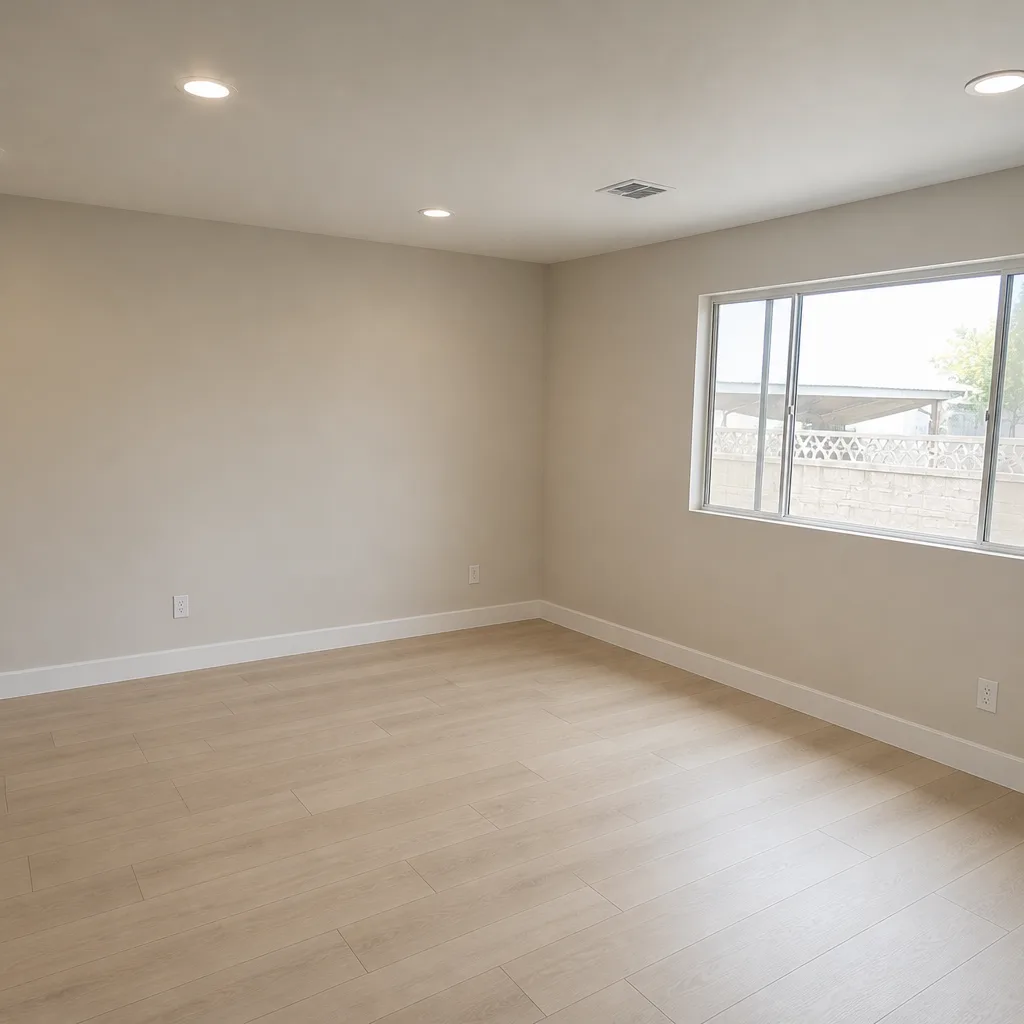
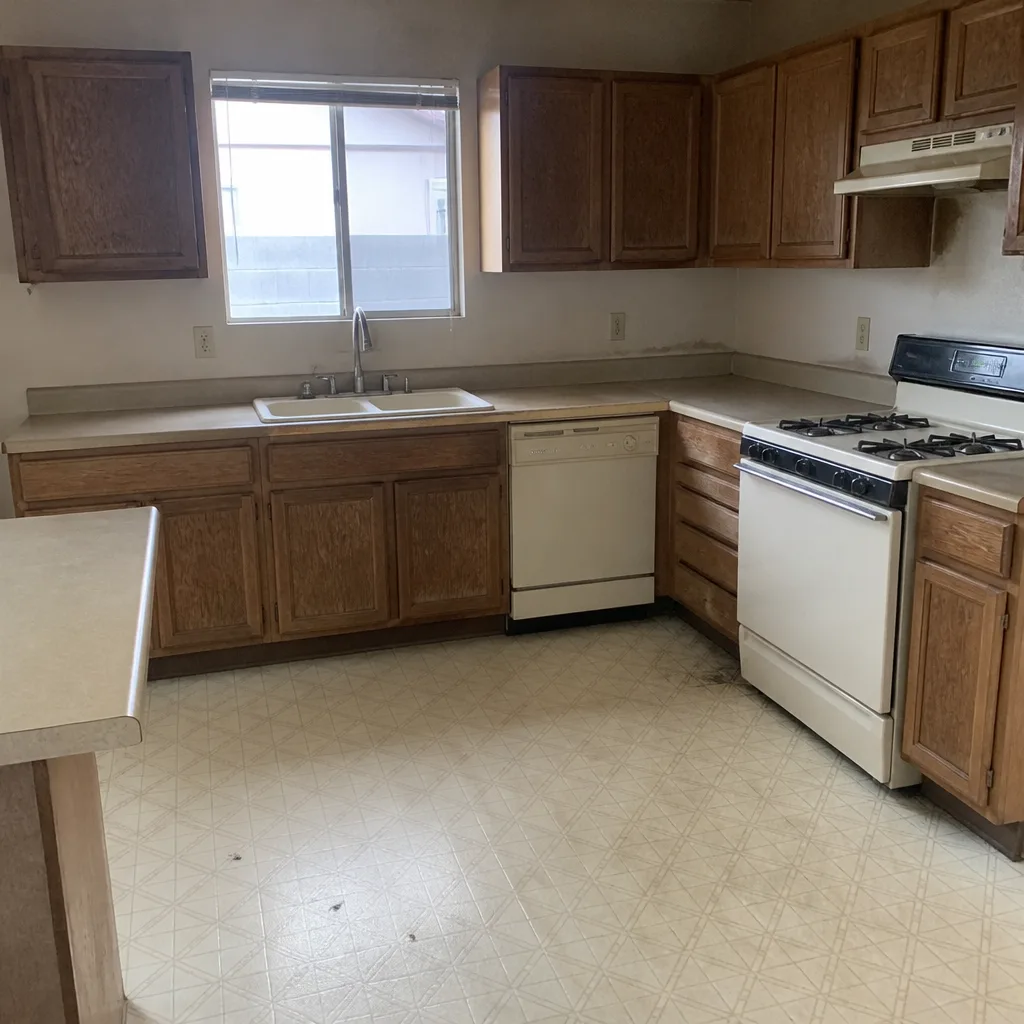
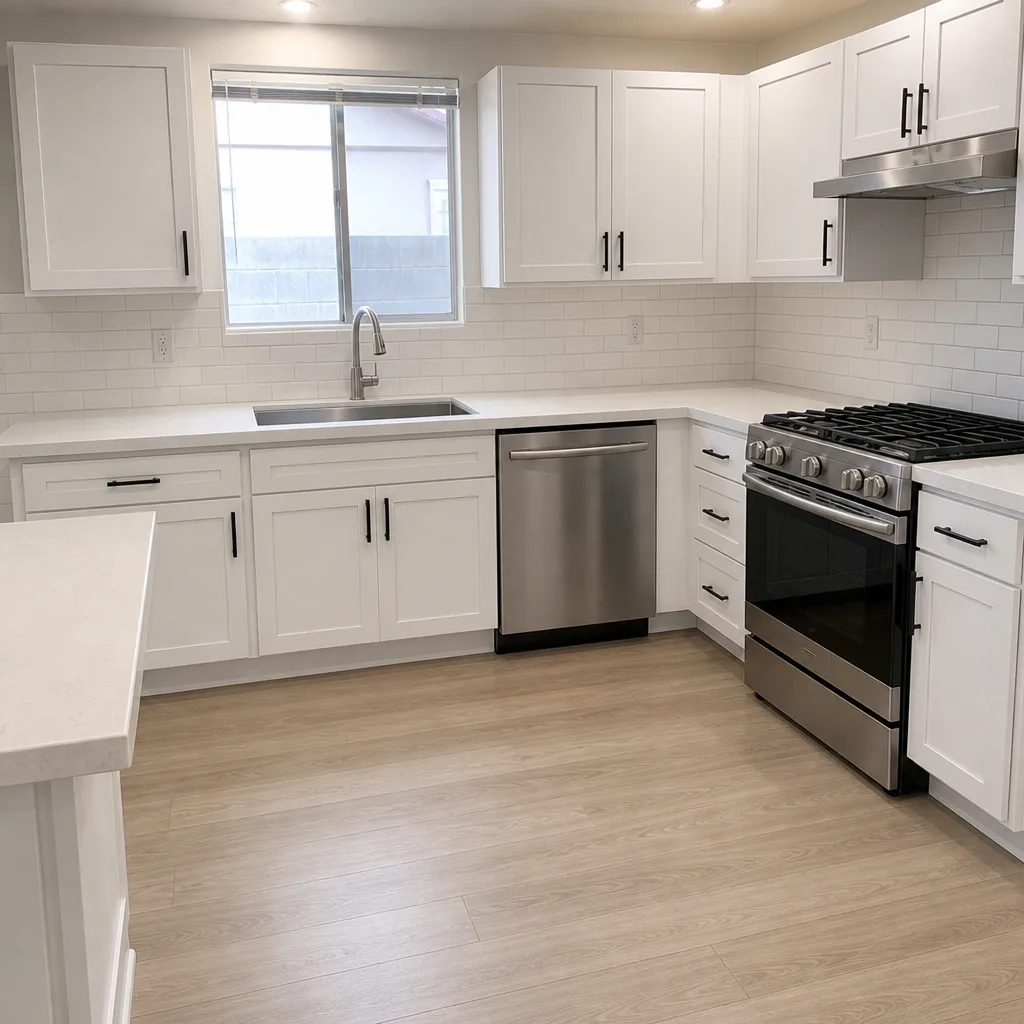
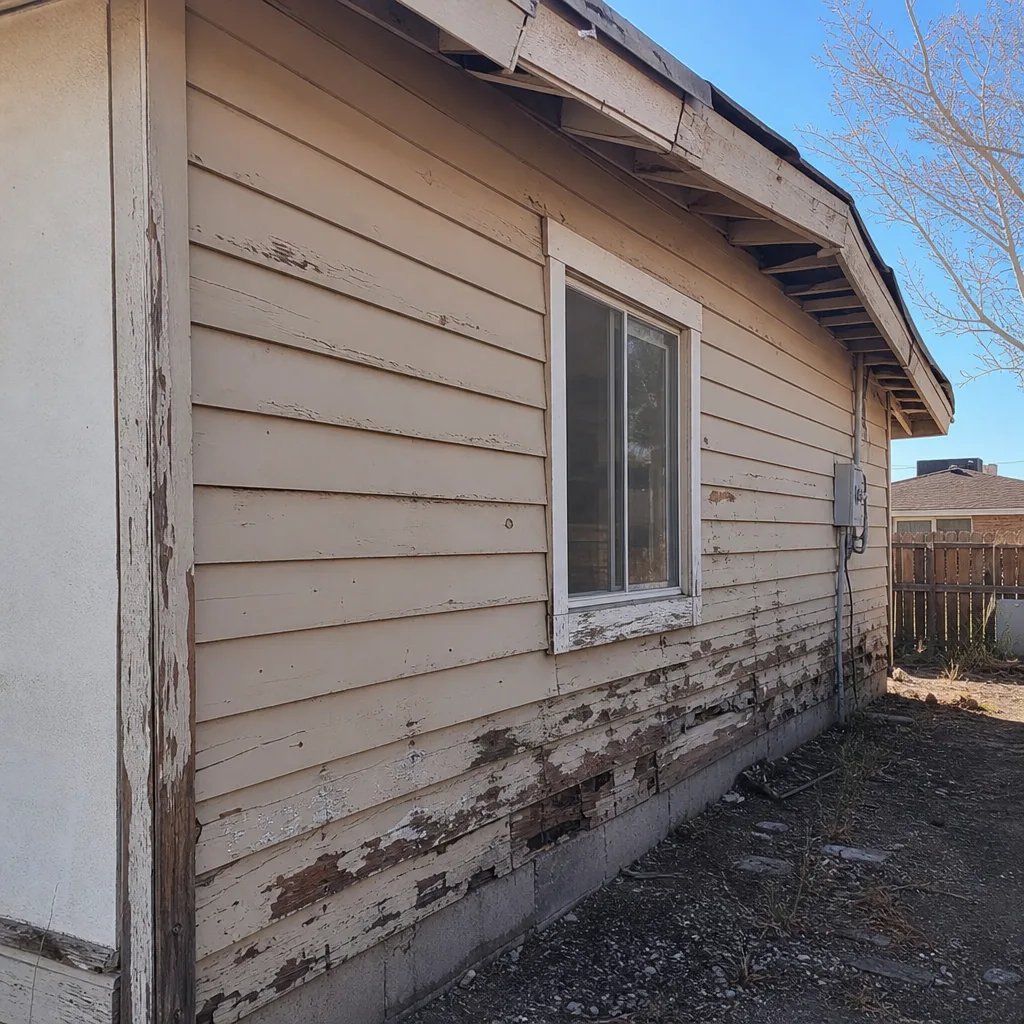
See the difference
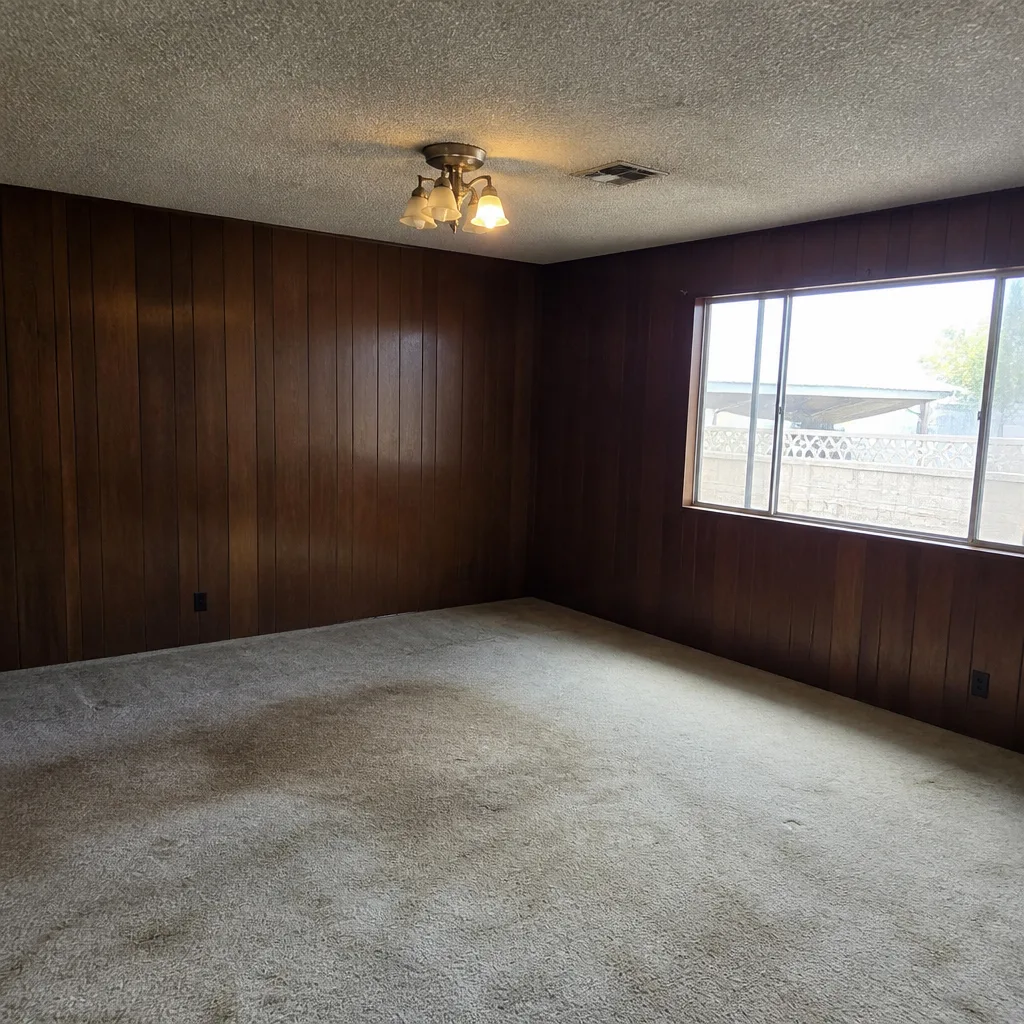 Before
 After
 Before
 After
 Before
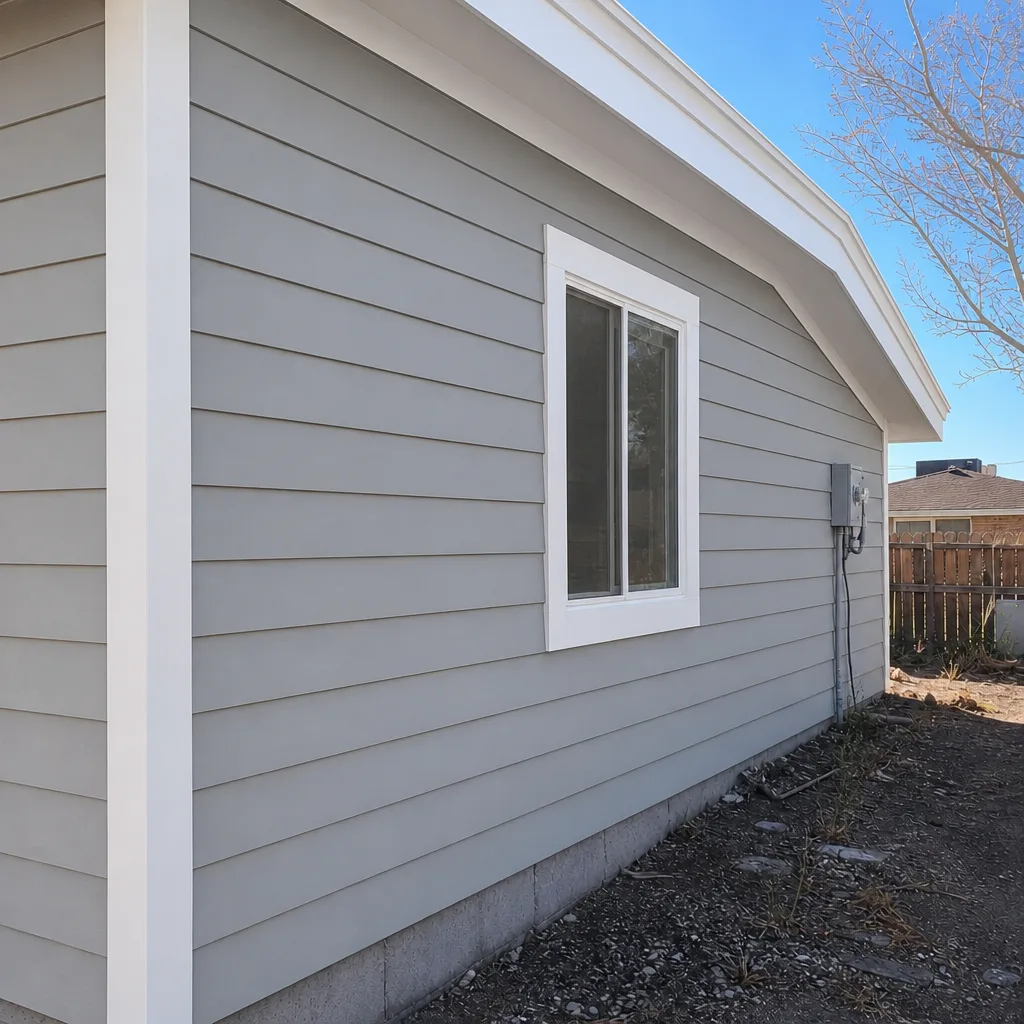 After
When to Call a Professional
You should be talking to a contractor before you’re emotionally attached to a specific tile pattern or cabinet style. The right time to call is when you know the general shape of the project but haven’t yet committed to materials or layout. A professional walkthrough will identify the structural realities, permit requirements, and hidden costs that change the project’s price before you’ve spent money on design decisions that don’t fit the budget. If your project involves moving walls, touching electrical or plumbing, adding square footage, or anything that requires a permit in North Las Vegas, this is not the place to learn as you go. Stonehall Construction offers free estimates in North Las Vegas. Call (833) 772-4634 to schedule a walkthrough, and we’ll give you a line-item breakdown you can actually use to compare against competing bids, whether or not you ultimately hire us.
Frequently Asked Questions
A mid-range kitchen remodel in North Las Vegas runs $45,000 to $90,000, including materials, labor, freight, permits, and contractor overhead. The range widens based on cabinetry tier, countertop selection, and whether you’re relocating plumbing or electrical. For a specific number on your kitchen, call (833) 772-4634 and we’ll walk the space with you.
Three factors push NLV costs above national ranges: the city’s permit and impact fee schedule, freight premiums on materials trucked into a city without distribution hubs, and a skilled labor market that runs 10% to 20% above what national calculators assume. These are structural costs that every legitimate contractor faces, not markups specific to any one company.
A complete NLV bid includes line items for city permit fees, plan review, demolition, dumpster and disposal, rough-in trades, finish materials (with brands named), freight, contingency, and closeout. If a bid is one page with a total, it’s not a bid; it’s a guess. Get a line-item breakdown before comparing numbers.
For short projects with stable material lists, lump-sum works well. For longer projects with significant material exposure, cost-plus with a guaranteed maximum price cap is often the better structure. Never sign an uncapped cost-plus contract in this market. If the contractor resists a cap, that’s your signal to keep looking.
Yes. Any project involving structural changes, electrical, plumbing, mechanical work, or added square footage requires a permit through the City of North Las Vegas building department. Working unpermitted puts you at risk with your insurance, your lender, and any future buyer. A licensed general contractor pulls permits in their own name and takes legal responsibility for the work.
It can, if the bid didn’t account for real conditions. Hidden costs like electrical panel upgrades, water line corrosion, or dry rot are discovered after demo opens the walls. That’s why a thorough pre-construction walkthrough and an honest contingency line matter. A good contractor lowers the odds of surprises by investigating before bidding, not after. For a no-obligation estimate that accounts for North Las Vegas’s actual cost conditions, call (833) 772-4634.
The Bottom Line
North Las Vegas construction costs in 2026 don’t follow the national script. Permit fees, freight premiums, and a tight skilled labor market push real project numbers above what online calculators predict, and the gap is wide enough that homeowners who use national references to evaluate bids will consistently misjudge them. The answer isn’t to stop using cost data. It’s to use the right cost data: line-item breakdowns that account for NLV’s actual conditions, bids that name brands and line item permits and freight, and contractors who can explain the number instead of just lowering it. That’s the standard we hold ourselves to at Stonehall Construction, on every project from a single bath remodel to a full home remodeling project with exterior scope included. One contractor. Every trade. From the foundation to the roofline.
Written by the team at Stonehall Construction, serving North Las Vegas since 2013. Browse more guides & resources.