
Last updated November 1, 2026
 Kitchen remodeling
 Bathroom remodeling
 Home additions & ADU
 Roofing
 Windows & doors
 Driveway & pavers
 Fence
Free written scope consultation - allowances, timeline, and change-order rules on paper before a single trade is scheduled
General Contractor Troubleshooting: Common Problems and How to Fix Them
The tile installer who cracked your shower floor wasn’t the problem. The general contractor who let a tile crew onto an uncured mortar bed was. Most construction problems homeowners call “contractor failures” are actually project management failures that were preventable at a specific decision point weeks earlier. This guide pinpoints those moments and gives you the language and leverage to course-correct before a problem becomes a disaster. If you’re mid-renovation in North Las Vegas or planning one, what follows is drawn from years of watching projects go sideways and learning exactly which conversations fix them.
Quick Answer
Most general contractor problems trace back to one of five root causes: unclear scope documentation, skipped sequencing steps, unmanaged subcontractor schedules, change orders that were verbal instead of written, or material ordering that happened too late. Fixing them starts with a written scope review, a current schedule in hand, and a direct conversation about who owns which delay. If your contractor won’t produce those three things, that’s the real problem to address.
Styles & brands we work with
- Kitchen remodeling
- Bathroom remodeling
- Home additions & ADU
- Roofing
- Windows & doors
- Driveway & pavers
- Fence
Table of Contents
- How to Read a Construction Problem Backward
- The Three Most Common Mid-Project Breakdowns in North Las Vegas
- Change Orders: The Tool Everyone Misuses
- When a Contractor Goes Silent or Abandons the Job in Nevada
- Diagnostic Checklist: Is Your Project Recoverable or Not?
- Exact Conversations to Have With Your GC When Problems Appear
- How to Structure a Contract So These Problems Never Start
- Material Delays: Why They Happen and What a Good GC Does Differently
How to Read a Construction Problem Backward
Every visible construction defect has a chain of decisions behind it. The cracked tile in your shower, the window that leaks during a North Las Vegas monsoon, the cabinet pull-out that binds on day one. None of these are random events. Each one is the final symptom of a sequence that a competent general contractor either controlled or didn’t.
Start with the symptom. A window leaking at the sill. Ask: was the window flashed before siding went up, or after? Was the rough opening inspected before the window was set? Was the flashing tape a compatible brand with the window system, or whatever was in the truck? In our experience, the answer usually sits two to four steps before the symptom shows up.
Here’s a simple three-step method for tracing a problem backward:
- Identify the earliest visible failure: water marks on drywall, a cracked grout line, a door that sticks. Write down exactly when it first appeared.
- Ask what prerequisite step should have occurred before the work that failed: waterproofing before tile, flashing before cladding, floor leveling before cabinetry.
- Ask who was responsible for that prerequisite: the general contractor, a subcontractor, the material supplier, or the homeowner. If the answer is unclear, the GC wasn’t managing the schedule tightly enough.
Reading problems backward shifts the conversation from blame to cause. It also tells you whether you’re working with a general contractor who owns sequencing or one who just schedules subs and hopes for the best. A full-scope GC like Stonehall Construction home runs sequencing as a discipline, because it’s the only thing standing between a three-week delay and a finished project.
The Three Most Common Mid-Project Breakdowns in North Las Vegas
Different markets fail in different ways. North Las Vegas remodels have three signature breakdowns. Climate plays a role in all three. Scheduling around 110-degree summer days shapes pour times, roofing schedules, and paint windows. Understanding these local patterns helps you see a problem forming before your contractor admits it.
1. Scope Creep (The “While You’re Here” Trap)
A homeowner says “while the electrician is here, can we add a ceiling fan?” The GC says yes verbally. The electrician installs the fan. The invoice shows up weeks later with a number nobody agreed to. Scope creep in North Las Vegas remodels almost always starts as a casual hallway conversation.
The fix is not to avoid changes; it’s to force every change into writing. When you hear yourself say “while you’re here,” stop and say instead: “Send me a change order for that.” A good general contractor will thank you. The ones who resist are telling you something about how they run money.
2. Subcontractor No-Shows
A framing crew doesn’t show for two days. Drywallers cancel Friday afternoon. The tile setter is on another job 40 minutes across town. This is the single most common complaint in North Las Vegas mid-project, and it’s almost always a GC scheduling failure, not a sub problem. Subcontractors follow the work. If your GC hasn’t given them a clean handoff window (demo done, materials on-site, inspections passed), they’ll fill their calendar with a contractor who has.
When a sub no-shows, ask your GC these three questions, in order: What was the committed handoff date for that trade? Was it met? When is the new date, and what changed to make it reliable?
3. Material Delays With a Local Twist
North Las Vegas sits in a supply chain that serves the entire Las Vegas Valley. When a cabinet line or window system is backordered, it’s rarely a three-day delay; it’s often three to six weeks, because deliveries consolidate through regional distribution hubs. A GC who orders materials the week a trade is scheduled to start is already eight weeks behind. A GC who orders at contract signing has a fighting chance.
We order every long-lead item (cabinets, windows, doors, specialty tile, prefab components) within the first two weeks of a signed contract. It’s not a preference; it’s the only way to keep a North Las Vegas remodel on schedule through lead times that shift without notice.
Change Orders: The Tool Everyone Misuses
Change orders are the most misunderstood document in residential construction. Homeowners think of them as the contractor’s way to add cost. Contractors think of them as bureaucratic overhead. Both are wrong. A change order is a risk management tool. It exists to capture a decision made after contract signing so that the decision has a cost, a schedule impact, and a signature attached to it.
Here’s what we see go wrong most often in North Las Vegas: a homeowner requests a change during a site walk. The GC says “we’ll figure it out.” The work proceeds. The invoice arrives. The relationship fractures. The project stalls. Every one of those steps was avoidable with one piece of paper.
How to handle change orders without blowing the budget or the relationship:
- Request a written change order before any new work starts. If a contractor says “trust me, I’ll take care of it,” that’s the moment to say “great, send me the change order and I’ll sign it today.”
- Check for the three required elements: a written description of the change, a fixed price or clear time-and-materials rate, and the schedule impact (days added, or none).
- Ask what’s being traded. Most project budgets have contingency in the 5-10 percent range. If the change order exceeds it, ask what gets cut or simplified elsewhere. A good GC will have that conversation proactively.
- Never accept a verbal change order for anything over a few hundred dollars. If it’s over $500 in North Las Vegas, it goes on paper. This is the homeowner’s leverage point, and it protects both sides.
For a general contractor doing true whole-home scope, like General Contractor in North Las Vegas, change orders are part of the job description. We expect them. We also expect them to be documented, priced, and signed. That’s not bureaucracy. That’s the only way a project stays honest.
When a Contractor Goes Silent or Abandons the Job in Nevada
This is the worst-case scenario, and it happens more often than anyone in the industry likes to admit. A contractor stops answering calls, stops sending crews, and leaves a half-finished project behind. Homeowners in this situation are not powerless, but the options are specific to Nevada law.
What you can legally do:
- Send a written notice of default. Your contract likely includes a notice-and-cure provision. A certified letter stating the contractor is in breach and has a specific number of days to cure (usually 10-15) is step one. Nevada courts take this seriously.
- File a complaint with the Nevada State Contractors Board. The NSCB licenses general contractors in this state, and they investigate complaints about abandonment, substandard work, and contract violations. This doesn’t get your project finished, but it can trigger the contractor’s bond and protect other homeowners.
- Make a claim against the contractor’s bond. Licensed Nevada contractors carry a bond. If the contractor has violated their contract, the bond is there to compensate homeowners. The NSCB can guide you through this process.
- Document everything. Every unanswered call, every date work stopped, every photo of current site conditions, every invoice and payment record. If this goes to a lawyer, documentation wins.
What you cannot legally do:
- Stop payment on work already completed without cause. In Nevada, you can withhold payment for defective work or unapproved changes, but not to “motivate” a contractor to come back. That’s breach on your side.
- Hire a new contractor to fix the old contractor’s work and later sue for full replacement cost. You have a duty to mitigate damages, not expand them. A court will expect you to hire someone competent to finish the work at a reasonable cost.
- Change the locks and deny the contractor access to their tools or materials. That creates a new legal problem. You can deny access except under supervision, but you can’t hold property hostage.
If the relationship has deteriorated to this point in North Las Vegas, our honest advice is to stop negotiating by text and start documenting in writing. The legal path is slower than anyone wants, but it’s the one that recovers money. For a fresh start with a contractor who manages the full scope, Home Remodeling in North Las Vegas is where the conversation usually begins.
Diagnostic Checklist: Is Your Project Recoverable or Not?
Not every broken project should be abandoned. Not every stalled project should be saved. The decision comes down to whether the underlying problem is communication (fixable), competence (rarely fixable mid-project), or capacity (sometimes fixable, depending on the contractor’s cash flow and labor pool).
Here’s a diagnostic checklist to run on your current project. Score one point for each item that describes your situation. We’ve seen this framework clarify hundreds of difficult calls.
- The contractor responds to communication within 48 hours. Slow response is not always a death sentence. Silence is.
- There is a written schedule that has been updated at least once in the last 30 days. A contractor with no schedule has no plan.
- Work stoppages have a stated reason and a stated restart date. “We’re waiting on materials” without a date means the materials were never ordered.
- The contractor has not asked you to pay for the same phase twice. Double-dipping is the clearest sign of cash flow trouble.
- Subcontractors are still showing up, even if intermittently. Subs leave sinking ships first. If your subs are gone, the sub pool already knows something.
- You have received a change order for every verbal change you’ve requested. No change orders means no project control. Either side can walk anytime.
Score 5-6: the project is recoverable. The problems are management problems, and management problems respond to hard conversations and written commitments. Score 3-4: the project is on the edge. You need a documented reset meeting with clear expectations and a date-specific recovery plan. Score 0-2: you’re likely looking for a new GC. The sunk cost is already sunk; there’s no dignity in watching it sink further. At that point, the smart move is to bring in North Las Vegas expertise for a fresh scope review and an honest finish-cost estimate.
Exact Conversations to Have With Your GC When Problems Appear
Knowing what to say is half the battle. These are the three conversations that resolve most mid-project problems in North Las Vegas, worded so you can have them without making things worse.
Conversation 1: When a Trade No-Shows
“The tile crew was supposed to start Tuesday. Tuesday and Wednesday passed with no one on site. I need three things from you today: the handoff date you gave the tile sub, whether that handoff was ready on time, and the new committed start date. If you don’t know the handoff date, be straight with me about that, because it tells me the schedule isn’t being managed at the trade level.”
This works because it forces the GC to either produce a scheduling trail or admit there isn’t one. Both outcomes give you information.
Conversation 2: When the Budget Is Creeping
“We’re at $14,000 over the original number, and I’ve seen change orders for about $6,000 of that. I need a written breakdown of the remaining $8,000 before work continues. I also need to know what’s left in contingency and what we’re trading to stay within the new number if anything else comes up.”
Notice the framing: you’re not refusing to pay. You’re demanding an accounting. That’s a reasonable ask on any project over $50,000.
Conversation 3: When You Suspect the Project Is in Trouble
“I’m not asking for a status update; I’m asking for a recovery plan. Work has been intermittent for three weeks, I don’t have a current schedule, and I’m not interested in hearing that things are going fine. I want a written plan by Friday that shows what’s left, who’s doing it, and the date you’re committing to for completion. If you can’t produce that, tell me now so I can make other arrangements.”
This is the hardest conversation to have, and the most important. A GC who can’t produce a recovery plan is telling you they don’t have one. Better to know now than after another month of stalled trades.
How to Structure a Contract So These Problems Never Start
The best time to fix a general contractor problem is before it exists. Here’s what we recommend homeowners require in a contract, drawn from watching every avoidable failure we’ve seen across North Las Vegas.
- A materials allowance list with brand names, not generic descriptions. “Cabinet allowance: $12,000” is not a spec. “KraftMaid Vantage line, shaker door, soft-close, $12,000 allowance” is a spec. Every major material category should name the brand or grade. It should include the brands the contractor can actually source. We work with 50-plus manufacturers across cabinets, countertops, roofing, windows, doors, and more, which means the allowance line is backed by real ordering relationships, not a trip to the local big box.
- A payment schedule tied to milestones, not dates. Not “25 percent at week three.” It’s “25 percent at rough-in inspection passed.” Nevada homeowners have more protection when payments align with completed work. Any contractor worth hiring wants this too.
- A two-week look-ahead schedule updated every Monday. This is the single best early-warning system in construction. It shows what trades are scheduled, what materials need to be on-site, and what inspections are coming. A GC who won’t produce one is hiding something, usually a schedule that’s already slipped.
- A written change order process with a not-to-exceed threshold for verbal approvals. Some small things genuinely don’t need paperwork. Set the ceiling in writing: anything over $500 requires a signed change order before work starts.
- A substitution clause that requires written approval for any material brand swap. If the contract says Cambria countertops, you want a signed notice before a different quartz brand appears. Substitutions happen for legitimate reasons (lead times, discontinued products), but they need to be authorized, not discovered.
- Named subcontractors for the three highest-risk trades. For kitchens, that’s cabinetry, tile, and electrical. For exteriors, it’s roofing, windows, and stucco or siding. You don’t need every sub named, but the ones that can ruin a project should be identifiable.
We write contracts this way for every North Las Vegas project we take, whether it’s a single bath remodel or a full home renovation spanning windows, roofing, and hardscape. The contract is the first quality control tool. Everything after it either respects the terms or surfaces a problem early enough to correct.
Material Delays: Why They Happen and What a Good GC Does Differently
Material delays are the most frequently cited reason for missed completion dates, and they’re also the most frequently self-inflicted. Here’s the pattern we see across North Las Vegas projects: a contractor signs a contract, schedules demo for three weeks out, and puts off ordering cabinetry, windows, or specialty tile until demo is almost done. Then the lead time lands at eight weeks and the project stalls through no one’s visible fault. The homeowner hears “supply chain issues” and the GC gets a pass. But the supply chain didn’t delay the order; the GC did.
A well-managed material schedule looks like this:
- Cabinets ordered within 14 days of contract signing. KraftMaid and Wellborn both run 6-10 week lead times depending on the line. Order early, and the cabinets are in the warehouse well before the tile sets.
- Windows and doors ordered in the first month. Therma-Tru entry doors and impact-rated systems like PGT carry lead times that stretch when the market is busy. Ordering at demo means the rough openings get sized to real product, not to a catalog guess.
- Countertops templated only after cabinet installation. This one is non-negotiable. Template too early and the stone won’t fit. Cambria, Caesarstone, and Silestone all require final cabinet measurements before fabrication can start. A GC who tries to template before cabinets are set is cutting corners that show up as gaps at the backsplash.
- Hardscape materials delivered to the street, not stored in the driveway for three weeks. Belgard and Unilock pavers are heavy. Storing them on-site before the base is prepped creates a mess and usually a delivery fee for the second trip when the right machine is actually there.
We carry no inventory and we’re not trying to move whatever happens to be in the warehouse. That’s the difference between a contractor selling product and a general contractor managing a material schedule. When a homeowner chooses a material, it’s ordered. When it lands, it’s installed. The gap between those two events is where problems breed, and our job is to keep that gap as small as the market allows.
Common Mistakes to Avoid
- Accepting verbal scope changes and “trusting” the invoice later. Every unapproved change in North Las Vegas becomes an invoice argument eventually. Write it down or don’t do it.
- Hiring the lowest bid without asking what it doesn’t include. Three bids for the same project with a 30 percent spread means one is missing scope, one is overpriced, and one is probably right. Your job is to figure out which is which before signing.
- Ignoring the permit process to move faster. In North Las Vegas, unpermitted work is a nightmare at resale and a negotiating nightmare mid-project. A GC who suggests skipping permits is telling you they don’t care about your long-term interest.
- Paying too much upfront. Nevada law limits deposits for residential work, but contractors push the limit. If a GC asks for 50 percent upfront on a $100,000 project, the alarms should go off. Thirty percent is the ceiling most reputable contractors ask for.
- Not checking the contractor’s license and bond before signing. The Nevada State Contractors Board offers a license lookup tool. Two minutes on that site prevents six months of legal trouble.
- Letting small problems accumulate without documentation. A photo and a text message take 30 seconds. A construction defect case without documentation takes years. Document as you go.
See the difference
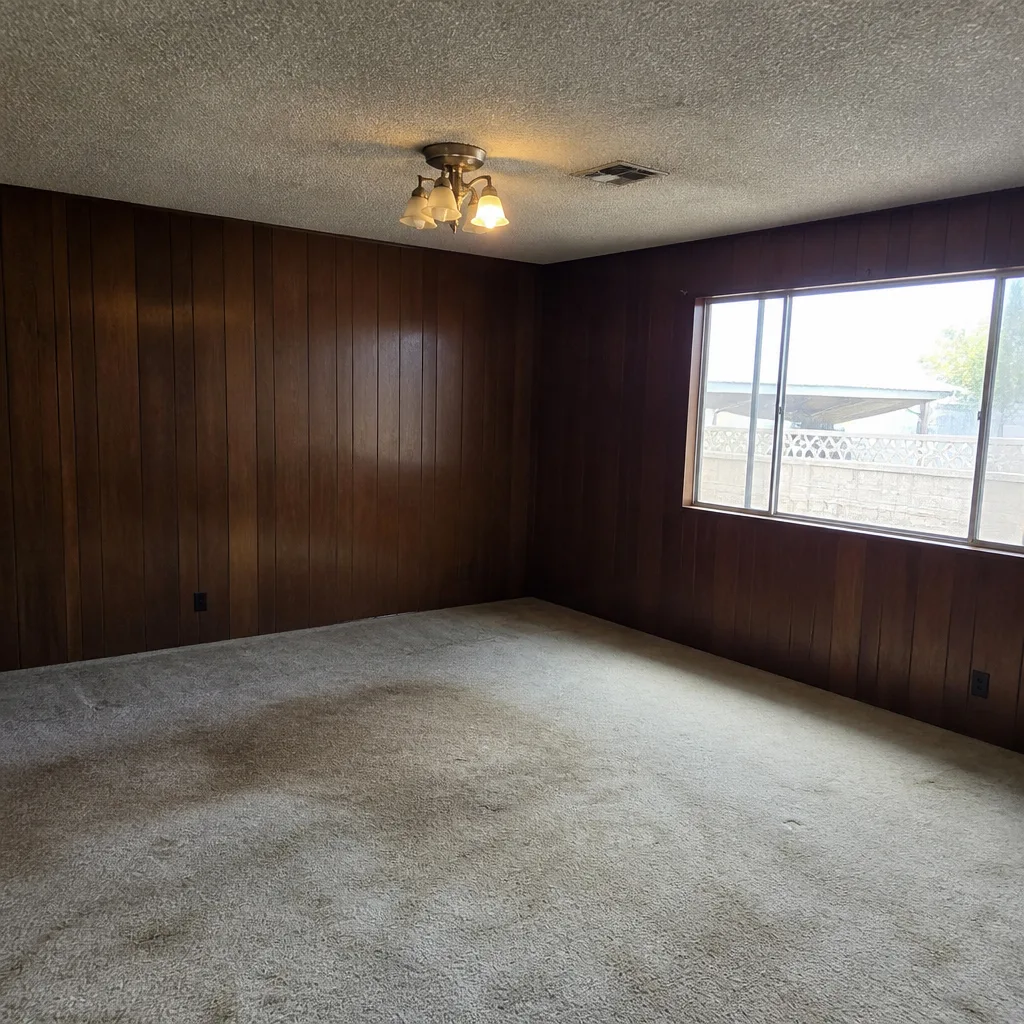 Before
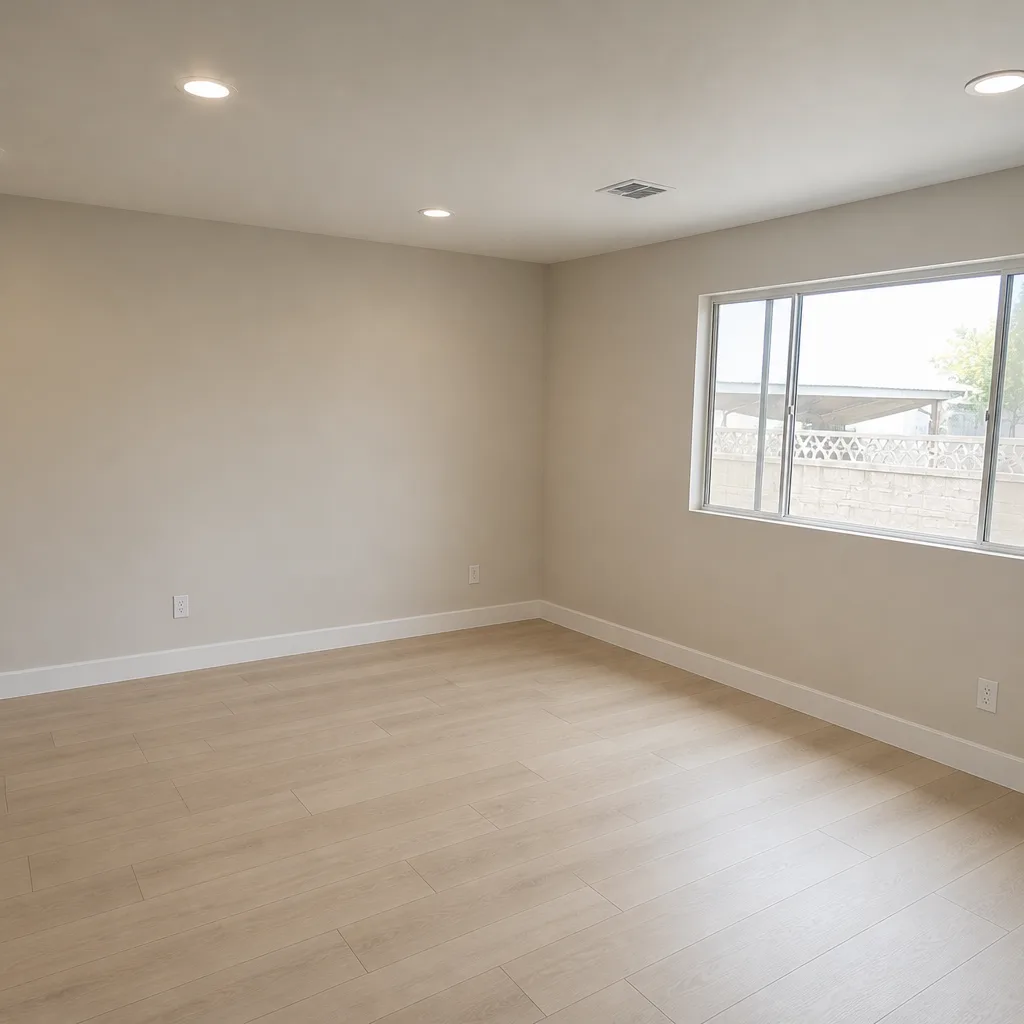 After
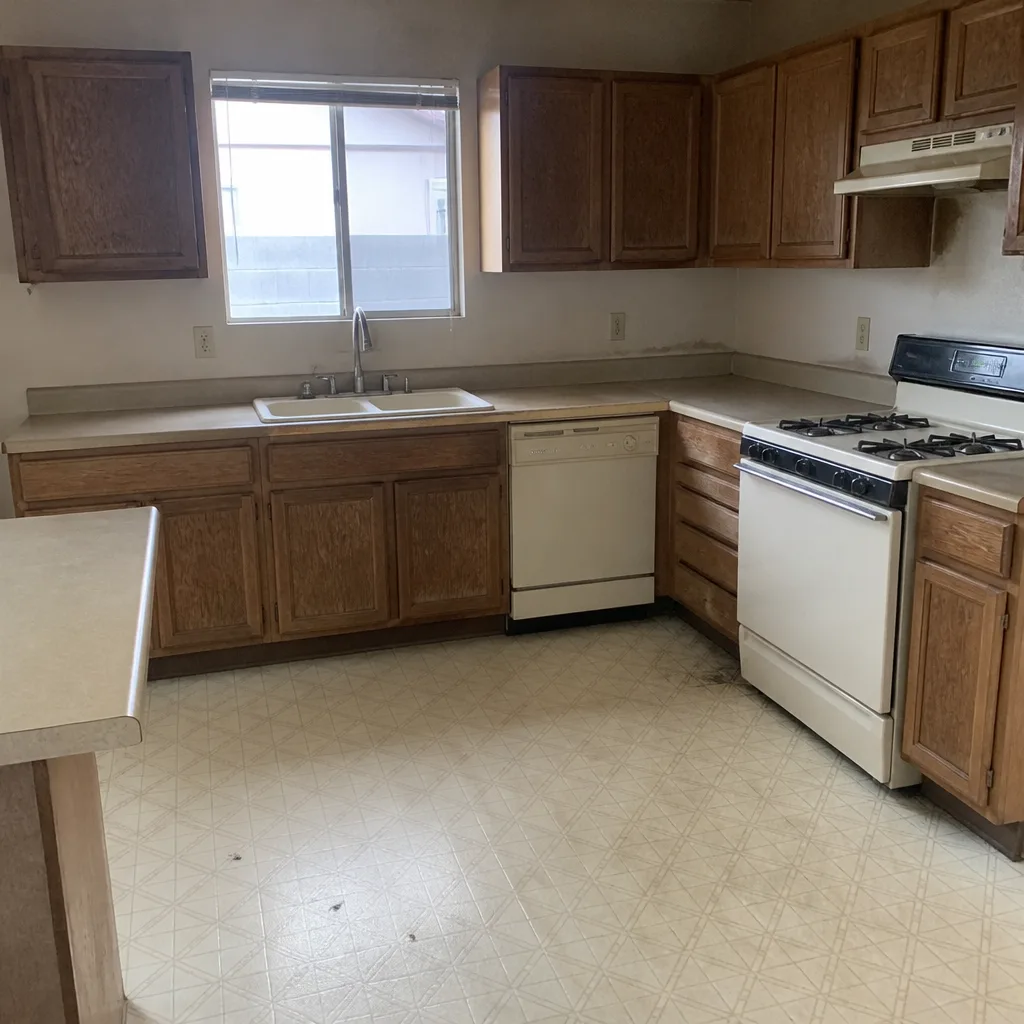 Before
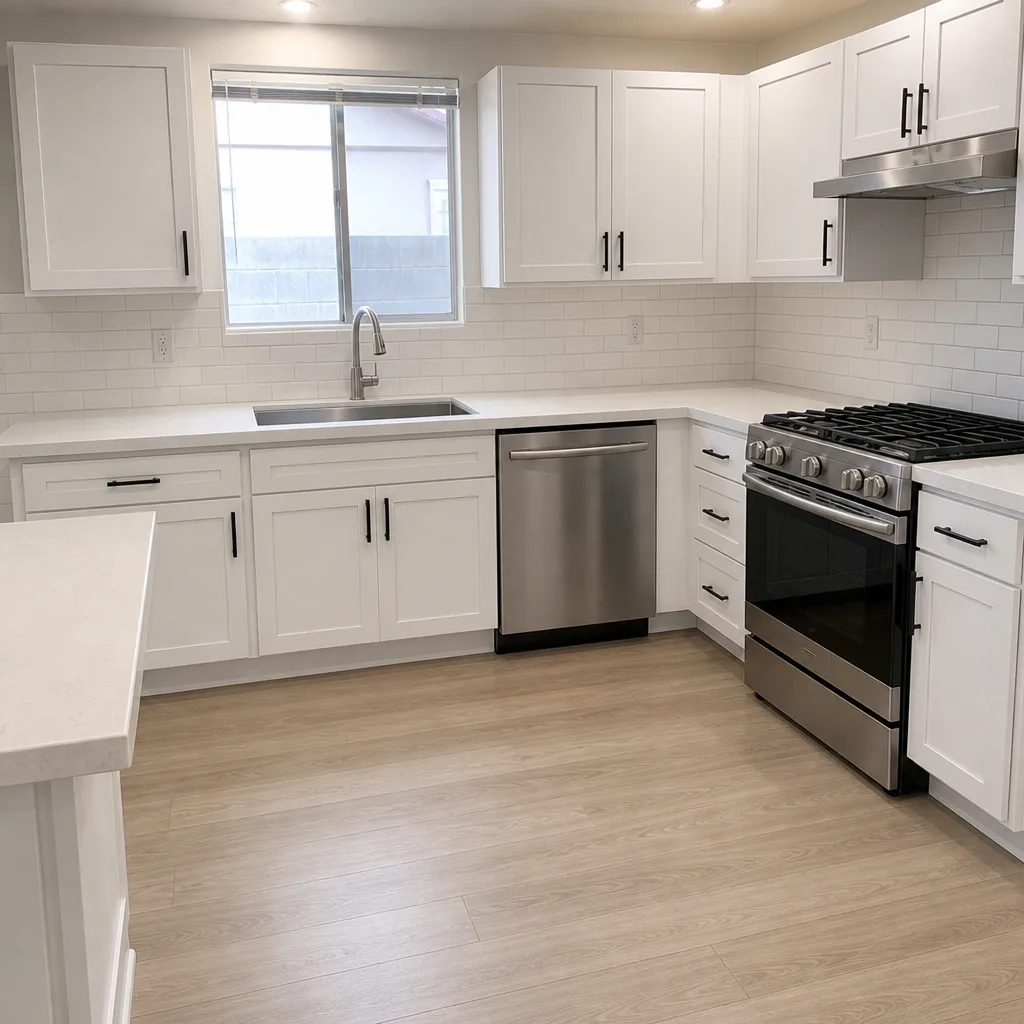 After
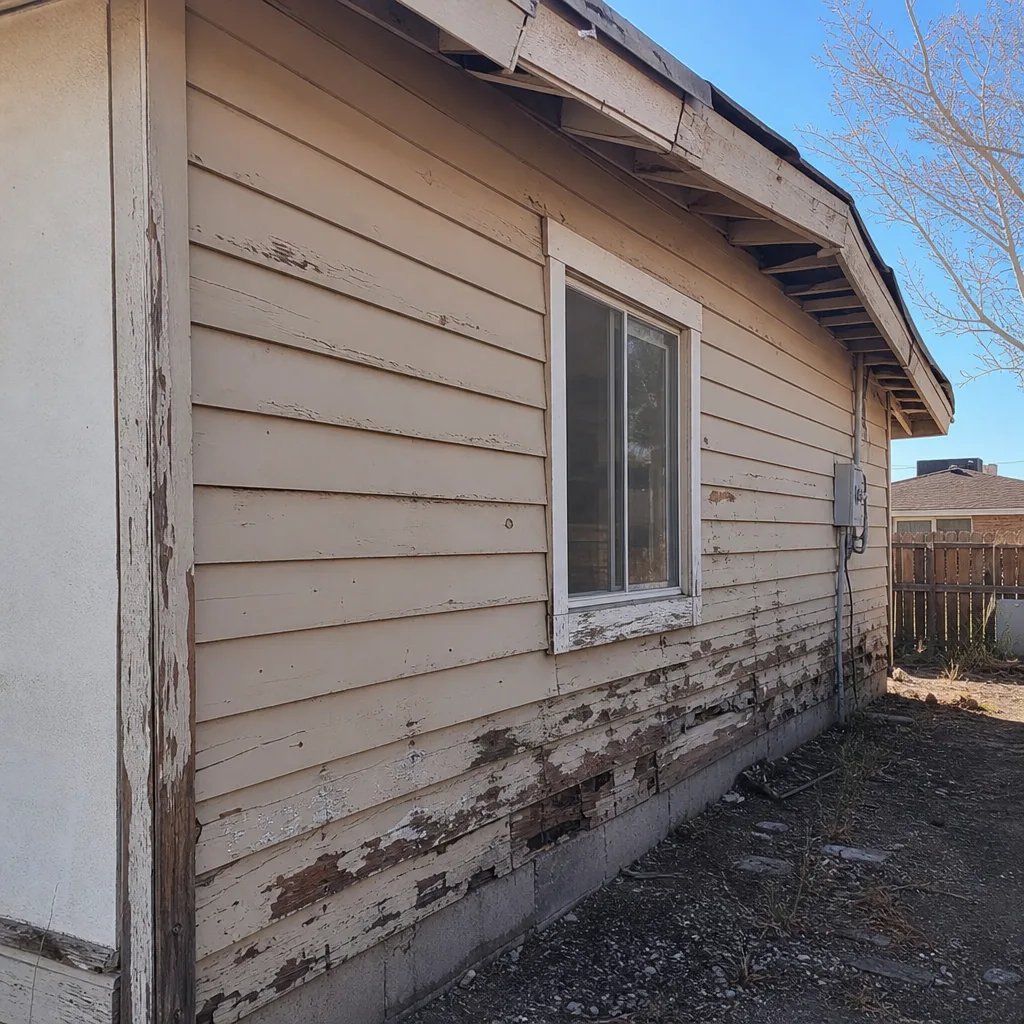 Before
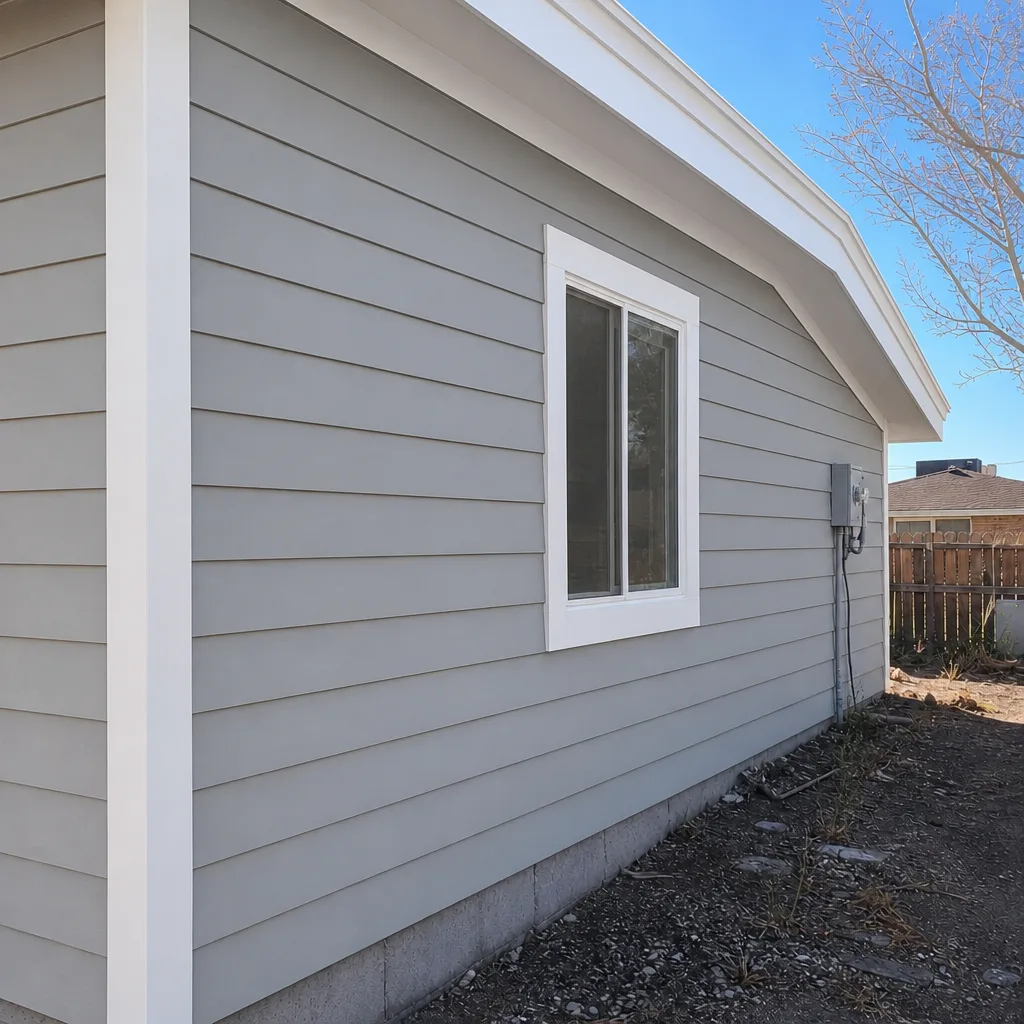 After
When to Call a Professional
Some problems you solve with a conversation. Some require a new General Contractor. If your current GC has gone silent for more than a week, if you’ve had two trades no-show in seven days, if the budget has drifted more than 15 percent without change orders, or if you’re reading Nevada contractor abandonment law at 2 a.m. trying to figure out your options, you’re past the point of self-help. The fastest way forward is a hard reset: formal notice, licensed contractor consultation, and a new scope review with someone who takes full accountability. Stonehall Construction offers free estimates in North Las Vegas, call (833) 772-4634.
Frequently Asked Questions
The most common problems are scope creep from undocumented changes, subcontractor no-shows caused by poor schedule management, material delays from late ordering, payment disputes from vague change orders, and communication breakdowns during multi-week trades. North Las Vegas remodels face the same pattern as the rest of the country with one local twist: summer heat compresses the outdoor work window and tends to cluster demand, which amplifies scheduling failures.
Depending on the scope, fixing a botched remodel typically runs 20 to 35 percent of the original project cost, which covers demo of defective work, re-purchasing materials that can’t be salvaged, and paying a competent crew to redo the scope. If waterproofing failed in a shower, you’re looking at a full tear-out, which is a material cost in the thousands and labor that can’t be skipped. Call (833) 772-4634 for an exact quote on your project; we’ll walk the site and give you a written number.
Yes, you can terminate a general contractor mid-project in Nevada, but the legality depends on the contract’s termination clause and whether the contractor is in breach. If the contractor has abandoned the job or failed to perform to contract, you have grounds for termination for cause. Document the failure in writing, send notice of default, and give the contractor the cure period the contract specifies. If the contractor is not in breach, termination means paying for work completed and possibly a termination fee. Get legal advice before firing anyone.
You know by checking the work against the contract specs at two points: rough-in, before walls close up, and finish, before final payment. At rough-in, check that framing is square, waterproofing is continuous, and electrical and plumbing are where the plan says they should be. At finish, check that grout lines are consistent, trim is tight, and paint coverage is even. If you don’t know what you’re looking at, hire an independent inspector for $300 to $500. It’s the cheapest insurance you’ll ever buy.
Contractors ask for more money for three reasons: legitimate change orders that were verbally approved but never documented, materials that came in over the original allowance because allowances were set too low at contract, and, rarely, straightforward padding. The way to eliminate the first two is to keep a written log of every change and every allowance draw. We give our North Las Vegas clients a running cost-to-complete log updated every two weeks.
If your contractor won’t provide a written schedule, treat it as a red flag. The correct response is to put your request in writing and set a deadline, typically three business days. If the schedule doesn’t arrive, stop work until it does. Payment and progress are linked; no schedule means no basis for progress payments. This one conversation separates serious GCs from unprepared ones.
The Bottom Line
General contractor problems are rarely mysterious. They’re usually the visible end of a preventable decision chain: change orders that never went on paper, materials ordered too late, trades handed an incomplete site, or a schedule that existed only in the contractor’s head. Your leverage is documentation. Written change orders, written schedules, written allowances, written notices. The contractor who welcomes those documents is the one you want on your project. The one who resists them is telling you how the next six months will go. In North Las Vegas, where a construction season is short and a stalled project is expensive, that distinction matters more than any brand name or bid price. If you’re ready to work with a general contractor who documents everything and manages the full scope from the first demo to the final walkthrough, call (833) 772-4634 for a free estimate, or explore more guides & resources to keep your project on track.
Written by the team at Stonehall Construction, serving North Las Vegas since 2013.